Quick answer
Set up one litter box per cat, plus one extra, and place them in separate, quiet spots rather than side by side. Scoop at least once a day, wash boxes weekly, and keep the litter depth around two to three inches. If a cat still avoids the box after these changes, the cause is usually medical or social, not the setup, and a vet visit comes next.
A litter box for multiple cats fails for a simple reason: cats do not share resources the way people assume. In a multi cat household, one box in a laundry room becomes a bottleneck, and the cat who loses access is the one you find urinating on the rug.
Most litter box problems are not about a cat being stubborn. They are about count, placement, cleanliness, and competition. Fix those four things and you resolve the majority of cat litter conflict without punishment or guesswork.
Start with the right number of boxes
The standard rule is one box per cat plus one extra. Two cats need three boxes, three cats need four, and so on. This is not a marketing gimmick; it gives each cat a choice of location and a way to avoid a cat that guards a preferred box. A multi cat litter box setup that ignores this rule tends to work until one cat gets sick, stressed, or decides a hallway is nicer.
If your space truly cannot fit that many full-size boxes, use fewer but larger boxes and spread them across different rooms. Two big boxes in separate areas beat four small boxes crammed into one bathroom. Covered boxes count as one box each, not more.
- Count boxes per cat, not per household.
- Never place all boxes in a single room if you can avoid it.
- A large box is better than a small box for a big cat.
Place boxes where cats actually want to go
Cats want quiet, low-traffic spots with more than one exit. A box wedged in a corner next to a noisy washing machine or facing a wall makes a cat feel trapped. Put boxes in different rooms, away from food and water, and leave a clear escape route on at least two sides.
If you have a multi-level home, put at least one box on each floor. Senior cats and kittens should not have to navigate stairs to reach a box. Once a cat starts avoiding a box because of location, the habit can stick even after you move the box.
- Avoid dead-end corners with only one way out.
- Keep boxes away from food, water, and loud appliances.
- Add a box on every floor of a multi-level home.
Pick litter and boxes that reduce competition
Most cats prefer unscented, fine-grain clumping litter and an uncovered box. Scented litter and hoods can mask odor for you while making the box unpleasant for the cat. Keep litter depth consistent at about two to three inches so digging and covering feel normal.
Box size matters more than style. A box should be roughly one and a half times your cat's length, which for many cats means a storage bin rather than a standard pan. If you use a covered box, offer at least one uncovered option so a nervous cat has a choice.
- Choose unscented clumping litter unless your vet advises otherwise.
- Offer both covered and uncovered boxes, not just one type.
- Replace boxes that are too small rather than adding more small ones.
Build a cleaning routine that prevents conflict
Scoop at least once a day, and twice daily in a multi cat home. Dump, wash, and refill boxes weekly with a pet-safe cleaner; skip ammonia-based products, which smell like urine and can encourage marking. Replace litter fully rather than topping off dirty litter indefinitely.
Watch for resource guarding: one cat sitting near a box, staring, or blocking the entrance. That is a social problem, not a hygiene problem, and it is the most common reason a multi cat litter box setup fails even when the count is right.
- Scoop daily; wash boxes weekly.
- Avoid ammonia-based cleaners.
- Separate boxes if one cat guards another.
When the setup is not the problem
If a cat suddenly stops using a clean, well-placed box, the first stop is your veterinarian. Urinary tract infections, crystals, kidney issues, arthritis, and pain all cause litter box avoidance, and no amount of extra boxes will fix a medical cause. This is especially true for male cats straining to urinate, which is an emergency.
If your vet rules out medical causes, the issue is likely social or environmental. Add boxes, add vertical space, separate feeding stations, and consider calming aids. In severe cases, a veterinary behaviorist or a certified cat behavior consultant is the right next step rather than more trial and error.
- Any straining or blood in urine needs same-day vet care.
- Rule out medical causes before changing behavior.
- Seek a behavior professional if problems persist after setup changes.
Diagnose the litter box problem
- Symptom: one cat blocks another at the box: You see staring, hovering, or a cat waiting nearby while another uses the box. This is resource guarding, not a dirty box. Add boxes in separate rooms and remove sightlines between them.
- Symptom: a cat urinates just outside the box: Often caused by a box that is too small, too dirty, or in a spot with only one exit. Occasionally it signals pain or a urinary issue. Fix size, cleanliness, and placement first; if it continues, call your vet.
- Symptom: a cat avoids the box entirely after a household change: New pet, new baby, moved furniture, or a new box location can trigger avoidance even in a previously reliable cat. Restore routine, add a box near the old spot, and give it two weeks before changing more.
- Symptom: straining, crying, or blood in urine: These are medical red flags, especially in male cats, and are not solved by adding boxes or changing litter. Stop troubleshooting and contact a veterinarian immediately.
Products that support a calmer multi cat home
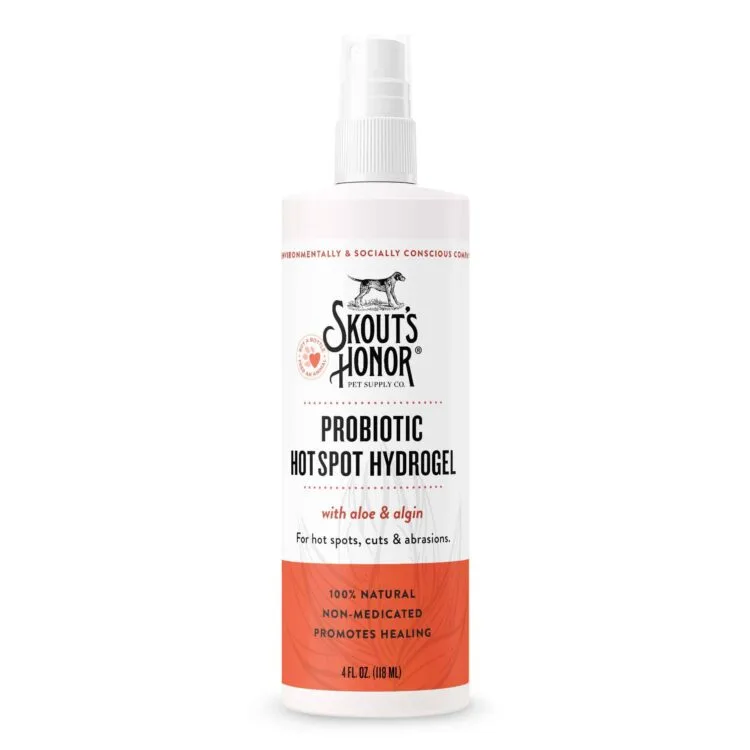
- Skout’s Honor Probiotic Hot Spot Hydrogel: 100% natural and non-medicated hydrogel with aloe that adheres to the affected area to moisturize, prevent potential infection, and support healing of hot spots, abrasions, cuts, and irritated skin. Stress-related overgrooming and skin irritation often show up alongside litter box conflict, so having a gentle topical on hand helps you address the skin side while you fix the setup.
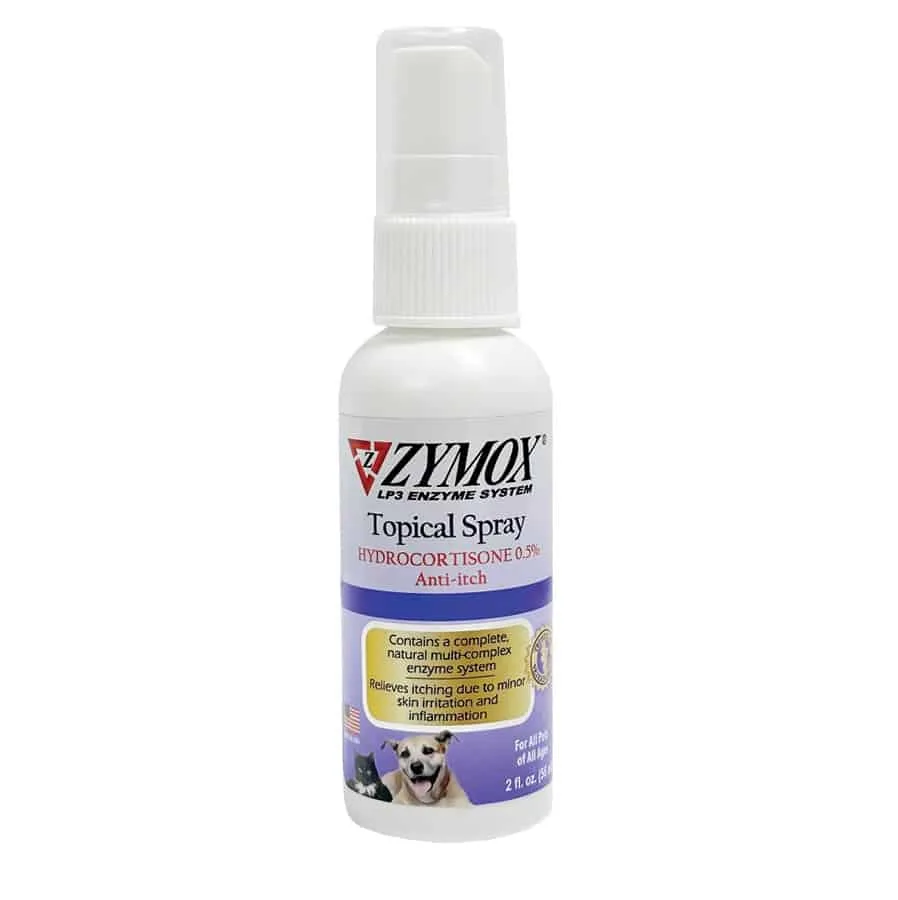
- Zymox Topical Spray with Hydrocortisone 0.5% Anti-Itch 2oz: Enzymatic anti-itch spray with hydrocortisone 0.5% that supports hot spot relief, wound care, and minor skin infection management for dogs, cats, puppies, and kittens. If a cat has scratched irritated skin near the tail or hindquarters, this gives you a targeted option while you address the underlying litter box stress.
Fix the count, placement, litter, and cleaning routine first, because those solve most multi cat litter box problems. If a cat still avoids the box after that, treat it as a medical or behavioral issue and get professional help rather than adding more boxes.