Quick answer
Set up your bassinet on a flat, stable surface with a firm mattress and a tight, well-fitted sheet, then place it beside your bed within arm's reach. Keep the sleep space completely clear of pillows, blankets, bumpers, and toys. Before the first night, confirm the mattress cannot shift and no gaps exist around its edges.
Start with the right spot in your room
Place the bassinet in your bedroom, close enough that you can reach your baby without leaving your bed. This supports frequent night feedings and monitoring during the early months. Keep it away from windows, blinds, cords, heaters, and anything your baby could pull into the sleep area. The surface underneath should be flat and stable, not a soft rug or an uneven floor.
Check the mattress fit before you add anything else
A safe bassinet mattress is firm and fits so tightly that you cannot fit more than two fingers between the mattress edge and the bassinet wall. If the mattress slides or leaves a gap, it is not safe for sleep. Press down on the center and edges to confirm the mattress does not collapse or create a pocket where a baby could roll. If your bassinet came with a mattress, use that one rather than adding a second pad on top.
Use only a tight fitted sheet and nothing else
Dress the mattress with a fitted sheet made for your specific bassinet model, and pull it taut so it cannot bunch. Skip loose blankets, pillows, bumper pads, and stuffed toys in the sleep space. If you want a spare sheet for middle-of-the-night changes, keep it folded nearby rather than layered on the mattress.
Assemble and secure the frame correctly
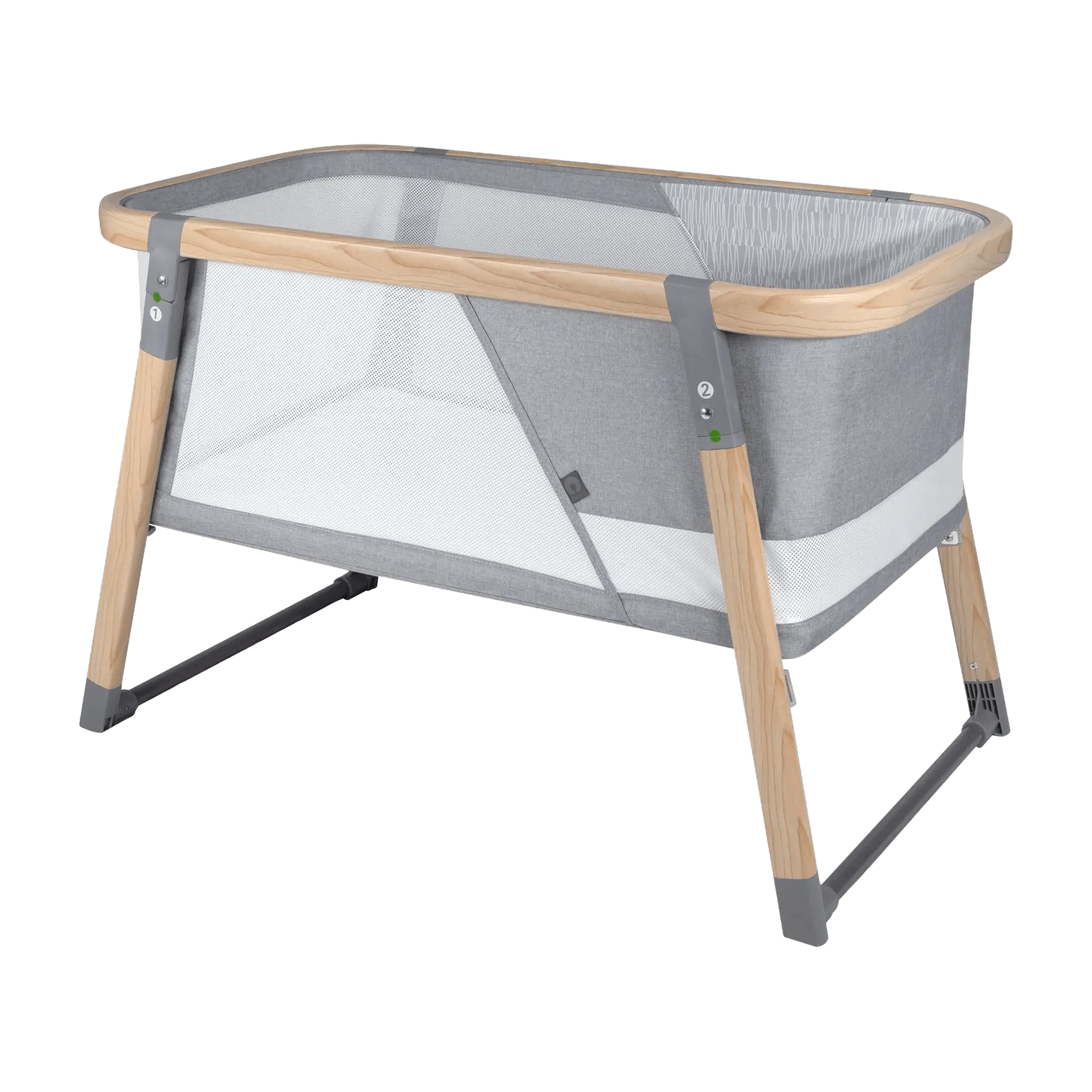
If your bassinet requires assembly, follow the manufacturer's instructions and tighten every connection. Give the frame a gentle push in several directions to check for wobble or unlocked joints. Some bassinets, like the Boppy Bassinet, arrive assembly-free and pack flat, which removes this step but still requires you to confirm the frame is fully opened and locked before use. Never modify a bassinet or add a mattress it was not designed for.
Your bassinet setup steps
- Pick a flat, stable spot beside your bed: Place the bassinet within arm's reach of your mattress, away from windows, cords, and heaters. Check that the floor underneath is level and firm. If the bassinet rocks or tips when you press the rim, move it to a different surface before use.
- Confirm the mattress is firm and gap-free: Press the mattress edges and center. You should not be able to fit more than two fingers between the mattress and the bassinet wall, and the mattress should not slide. A loose or soft mattress is a dealbreaker. Replace it or use the one that came with your bassinet.
- Add only a tight fitted sheet: Use a sheet made for your bassinet model and pull it taut. Leave out blankets, pillows, bumpers, and toys. If the sheet bunches or lifts at a corner, it does not fit safely.
- Lock the frame and test for wobble: If assembly is required, tighten all connections and push the frame gently from several sides. For an assembly-free model, confirm it is fully opened and locked. Any wobble or unlocked joint means the bassinet is not ready for sleep.
- Do a final clear-space check each night: Before laying your baby down, glance over the sleep area for anything that could cover the face or create a gap. Keep the space clear every time. A quick 10-second check becomes automatic and protects your baby all night.
Bassinet and support products that fit this setup
- Boppy® Bassinet: The Boppy Bassinet is designed with safety in mind, is assembly-free, packs flat, and includes two mattress covers for easy cleaning. No assembly means fewer setup steps and less chance of a loose joint, while the two covers let you swap a soiled sheet without waiting for laundry.
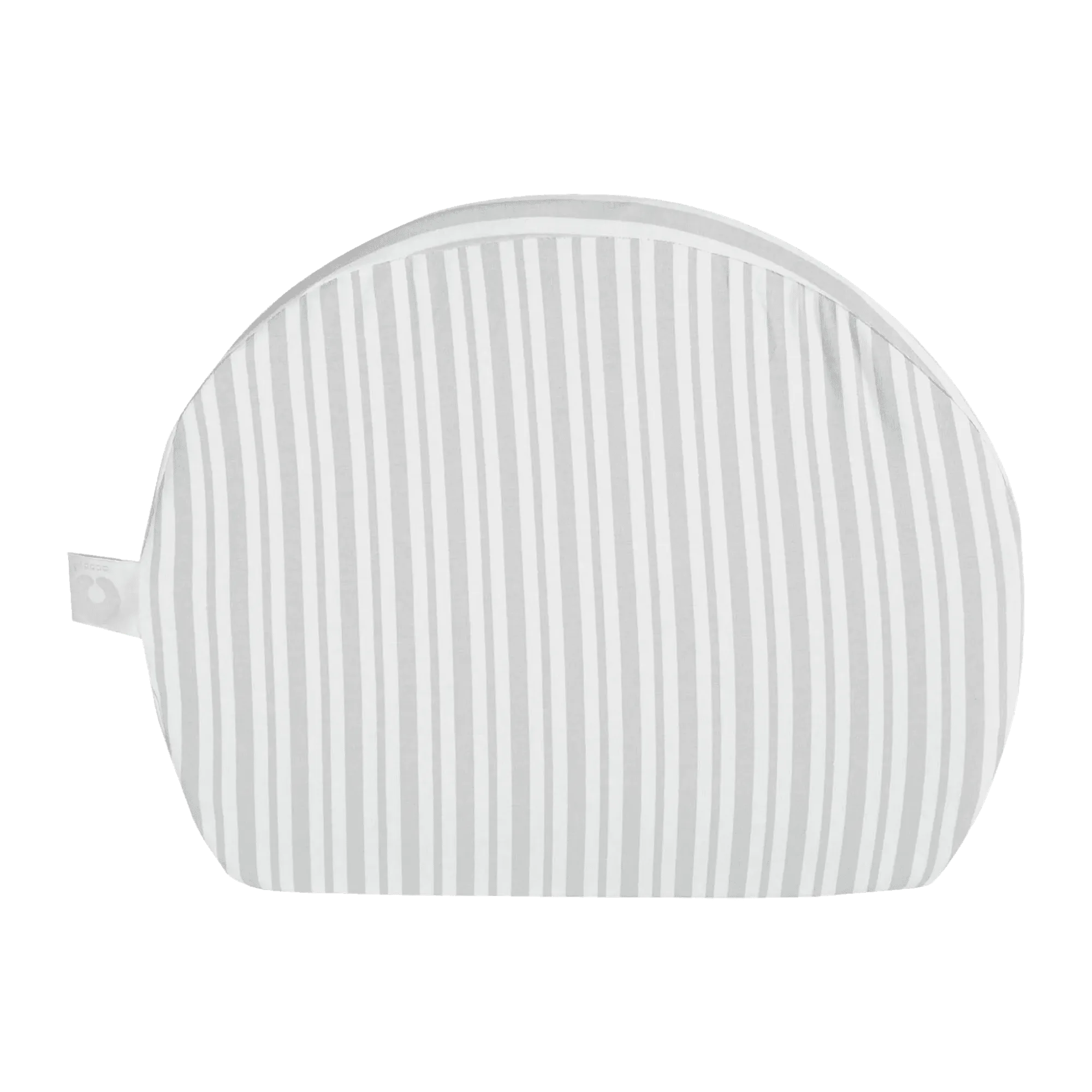
- Pregnancy Support Wedge: The Pregnancy Support Wedge is a firm pinpoint support pillow with a soft jersey cover, compact for use where you need it, and can be used alone or with your current Boppy pregnancy pillow. A small wedge can make your own sleep position more comfortable during the postpartum weeks when you are waking frequently for feedings.