Quick answer
Use acid-free glassine or translucent negative filing sheets in a standard ring binder to keep your 35mm negatives organized, protected from dust and scratches, and easy to reference.
Why binder storage works for 35mm negatives
Binder systems let you store negatives flat, in archival-safe sleeves, while keeping them accessible and easy to browse. Unlike folded strips or boxes, binders prevent creasing and make it simple to remove or add individual sheets.
The choice between glassine and translucent pages comes down to how often you handle the negatives. Glassine offers gentle, opaque protection ideal for long-term archiving, while translucent pages let you see the frames without removing them, which is handy for quick scans or reference.
How to set up your 35mm negative binder system
- Choose a binder: Select a standard ring binder that fits the Euro-hole punching on your negative sheets. A D-ring binder keeps pages flat and prevents rings from distorting the sheets. Check that the binder rings are large enough to hold the number of sheets you plan to store without overstuffing.
- Select your filing sheets: Decide between glassine sheets (like Kaiser Glassine Negative Filing Sheets) for archival protection, or translucent pages (like Kenro Translucent 35mm Neg Pages) for easy visual access. Both are acid-free and safe for long-term storage. If you store negatives for years without re-scanning, glassine offers better light protection. If you reference them often, translucent pages save time.
- Load the negatives: Cut your developed 35mm film into strips of 6 frames (or as recommended by the sheet). Slide each strip into a separate pocket, handling the film by the edges to avoid fingerprints. Avoid overfilling pockets as this can scratch the emulsion. Common mistake: loading strips that are too long or forcing them into pockets. Trim strips to the exact length the sheet is designed for.
- Label and organize: Use the index cover sheet on each filing sheet to note the roll number, date, and subject. Arrange sheets chronologically or by project in the binder for easy retrieval. Skip the labelling and you will waste time later guessing which roll is which. Write with a soft pencil or archival pen on the glassine cover.
- Store the binder properly: Keep the binder upright in a cool, dry, dark place away from direct sunlight, heat, and humidity. Avoid stacking heavy objects on top to prevent warping the pages. Even archival-quality sheets cannot protect negatives if the environment is damp or hot. Aim for 40-50% relative humidity and below 70°F (21°C).
Products that help
-
Kaiser Glassine Negative Filing Sheets - 35mm for 7x6 - Pack of 25: Kaiser Glassine Negative Filing Sheets for 35mm hold 7 strips of 6 negatives per sheet and include a cover sheet with an index for easy labelling. The index cover sheet helps you quickly find specific rolls without flipping through every page, and the glassine material protects negatives from dust and light exposure during storage.
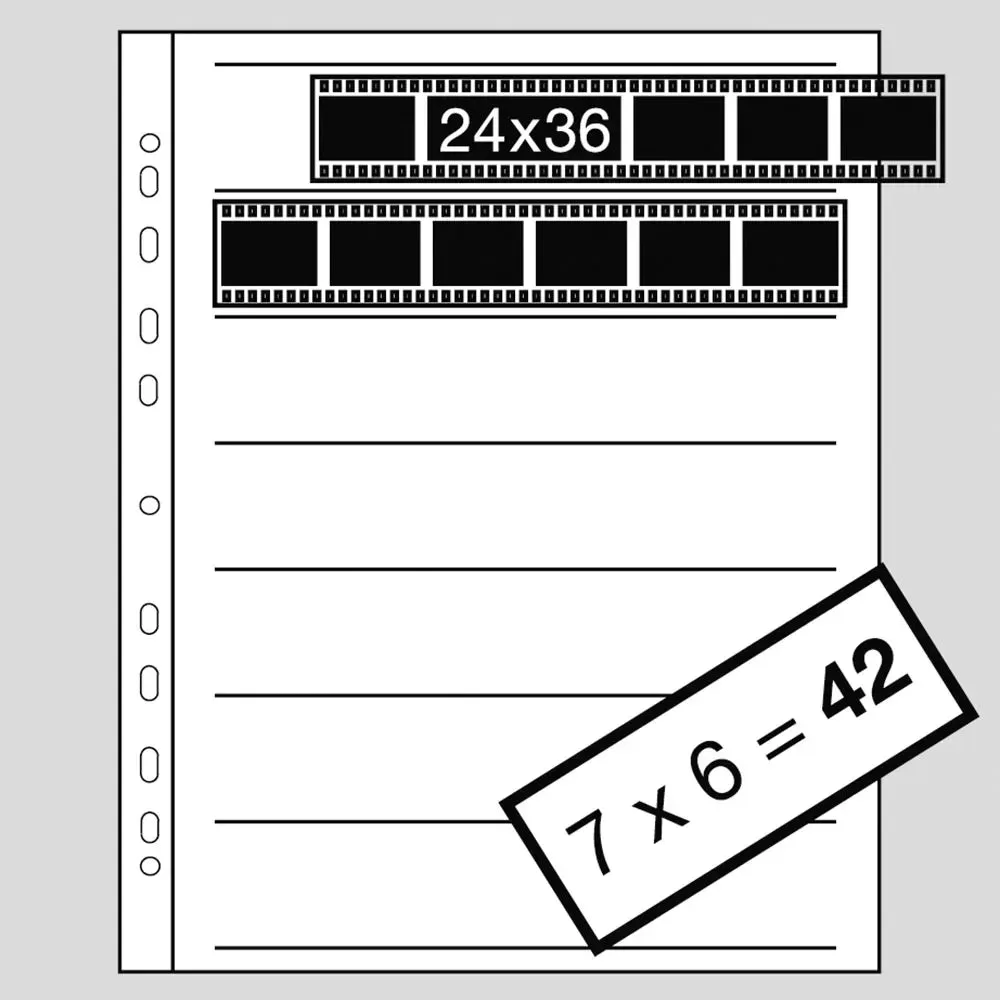
Kaiser Glassine Negative Filing Sheets - 35mm for 7x6 - Pack of 25
-
Kenro Translucent 35mm Neg Pages - 25 Sheets: Kenro Translucent 35mm Neg Pages are made from acid-free translucent paper (Pergamyn) and hold 7 strips of 6 full-frame negatives per page. The translucent paper lets you see the negative strips without opening the page, making it faster to locate a specific frame or check exposure before printing.
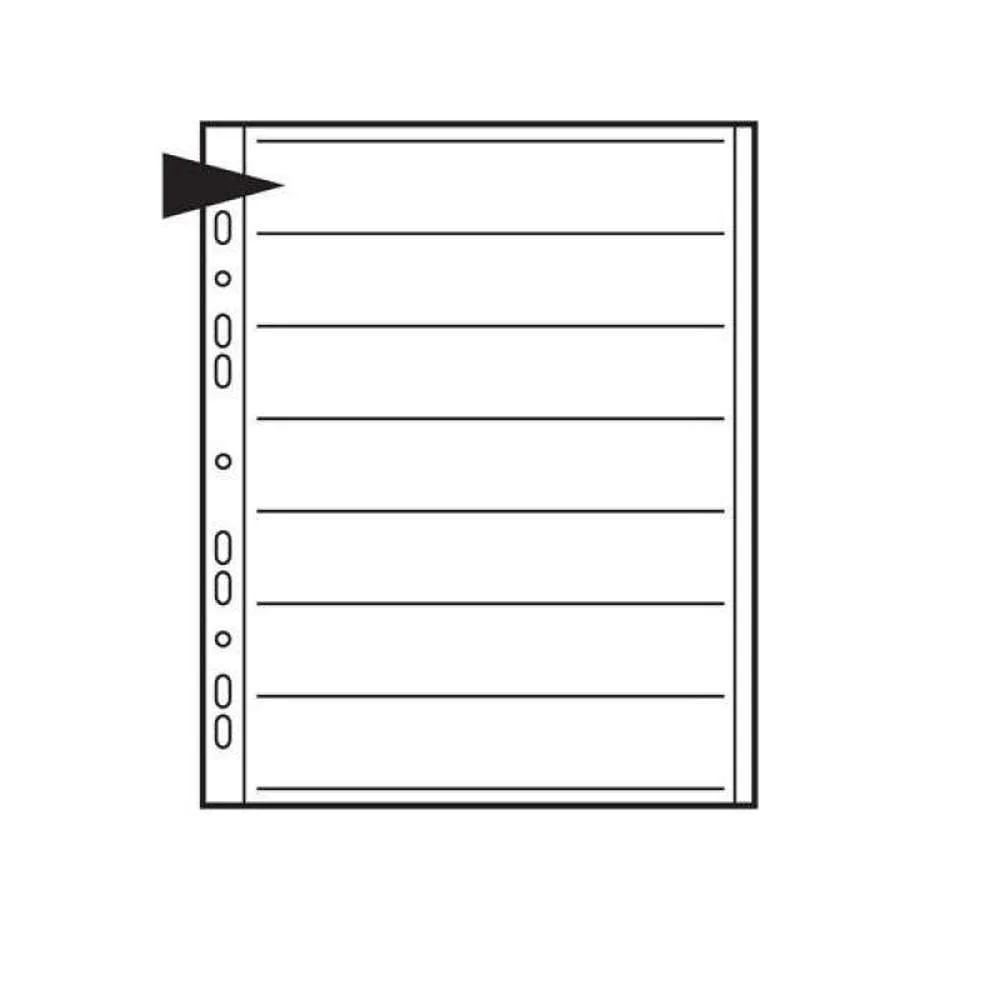
Kenro Translucent 35mm Neg Pages - 25 Sheets