Quick Answer
If you notice deep red marks, soreness, or difficulty latching, your nursing bra is likely too tight. Check the band and cups, adjust straps, and consider a wirefree or flexfit style if discomfort persists.
A nursing bra that fits well should feel like a second skin – supportive but never squeezing. When it’s too tight, it can cause more than just discomfort: it may lead to clogged ducts, poor milk flow, and even skin irritation. Recognizing the signs early helps you fix the fit before it affects your breastfeeding experience.
This guide walks you through the most common symptoms of a too-tight nursing bra, what usually causes them, and step-by-step corrections. You’ll also learn when it’s time to switch to a different style, such as a wirefree or flexfit option, to keep you comfortable through the day.
Common Signs of a Too-Tight Nursing Bra
Red marks or indentations on your skin after removing your bra are one of the clearest indicators. While light, temporary marks are normal, deep or painful grooves that linger suggest the band or straps are digging in. Pay special attention to the underwire area if you wear a wired style – pressure there can restrict milk ducts.
Another sign is pain or tenderness in your breasts, shoulders, or back. A tight band can pull your shoulders forward, causing upper back strain. You may also notice that your breasts feel compressed or that your baby struggles to latch because the bra presses too firmly on the nipple area.
- Check for red marks that take more than a few minutes to fade.
- Notice if your breasts feel flattened or misshapen when you look in the mirror.
- If you experience frequent clogged ducts or mastitis, your bra could be a contributing factor.
What Causes a Nursing Bra to Feel Tight?
Your body changes throughout pregnancy and postpartum, so a bra that fit perfectly a few weeks ago may now feel restrictive. Weight fluctuations, breast engorgement, and changes in ribcage size can all alter how a bra fits. Even if you haven’t gained weight, your band size can increase as your ribs expand to accommodate your growing baby.
Another common cause is choosing the wrong style for your needs. For example, a non-stretch, underwired bra may feel tighter than a wirefree or flexfit style that adapts to your shape. Also, if you’re wearing a bra with a narrow band or thin straps, it may not distribute support evenly, making it feel tighter than it actually is.
- Measure your band size again – it may have changed since you bought the bra.
- Consider if you’re between sizes; a bra that’s borderline can become uncomfortable quickly.
- If you prefer a seamless look, a t-shirt bra with stretch can offer more give than a structured cup.
How to Fix a Tight Nursing Bra
Start by adjusting the straps – they should be snug but not digging. If you can slip two fingers under the band comfortably, that’s a good starting point. Next, check the band level: it should sit horizontally around your ribcage, not ride up. If the band rides up, it’s too loose, but if it feels tight and leaves marks, try the next hook setting or consider a band extender.
If the cups feel too small, your breast tissue may spill over the top or sides. This is a sign you need a larger cup size, not just a looser band. Many nursing bras come in dual-cup sizing, like FlexFit styles, which accommodate changes more easily. If you’re between sizes, opt for the larger cup to avoid pressure on milk ducts.
- Use a mirror to check that the center gore lies flat against your sternum without pressing.
- After breastfeeding, your breasts may shrink – re-evaluate the fit at different times of day.
- If you’re unsure about your size, get a professional fitting or measure at home using a soft tape.
When to Stop Adjusting and Choose a Different Bra
If you’ve tried adjusting straps, bands, and hooks but still feel discomfort, it may be time to switch styles. A bra that causes pain or leaves deep marks is not worth the risk of clogged ducts or skin breakdown. Look for wirefree options that offer support without rigid structure, especially if you’re prone to engorgement.
Also, consider your daily activities. If you’re sleeping in a nursing bra, a soft bralette or flexfit style might be more comfortable than a structured daytime bra. Remember that your bra should work for you – not the other way around. If you consistently feel relief when you take it off, that’s a clear sign it’s not the right fit.
- If you feel the need to remove your bra as soon as you get home, it’s too tight.
- If you have sensitive skin or a history of mastitis, prioritize wirefree comfort.
- Don’t wait for pain to become unbearable – early changes prevent bigger problems.
Diagnosis: Is Your Nursing Bra Too Tight?
- Symptom: Red marks or indentations: Deep grooves on your skin after removing the bra, especially under the band or straps. If marks fade quickly, the fit is likely fine; if they persist or hurt, adjust or replace.
- Likely cause: Band or cup too small: Your ribcage may have expanded, or your cup size increased. A non-stretch band can also contribute. Measure yourself again and try a larger band or cup size, or use a bra extender.
- Corrective action: Adjust straps and band: Loosen straps, try a different hook setting, and ensure the band sits horizontally without riding up. If adjustments don’t relieve pressure, move to the next step.
- When to stop and choose another option: If you still feel pain, have difficulty latching, or notice signs of clogged ducts, stop wearing that bra. Switch to a wirefree or flexfit nursing bra to maintain comfort and milk flow.
Nursing Bras That Offer Comfort and Flexibility
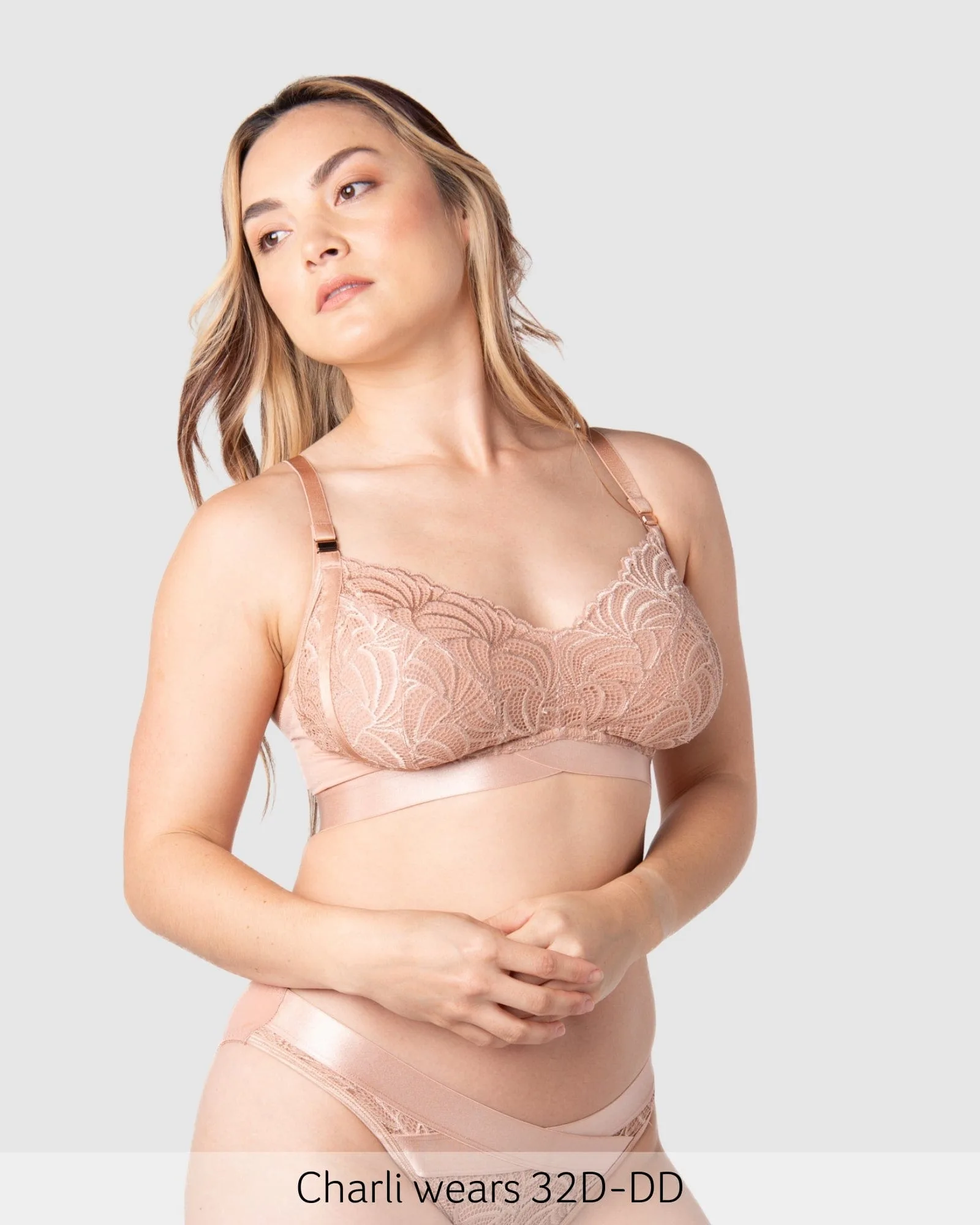
- Warrior 2.0 FlexFit Nursing Bra - Bronze: Crafted in luxe recycled lace with dual-cup sizing, it flexes with your body through pregnancy and postpartum. Non-padded, lightweight, and sheer, it delivers soft support without a wire. The dual-cup sizing and wirefree design make it a great choice if you’re between sizes or experience breast fluctuations, reducing the risk of tightness.
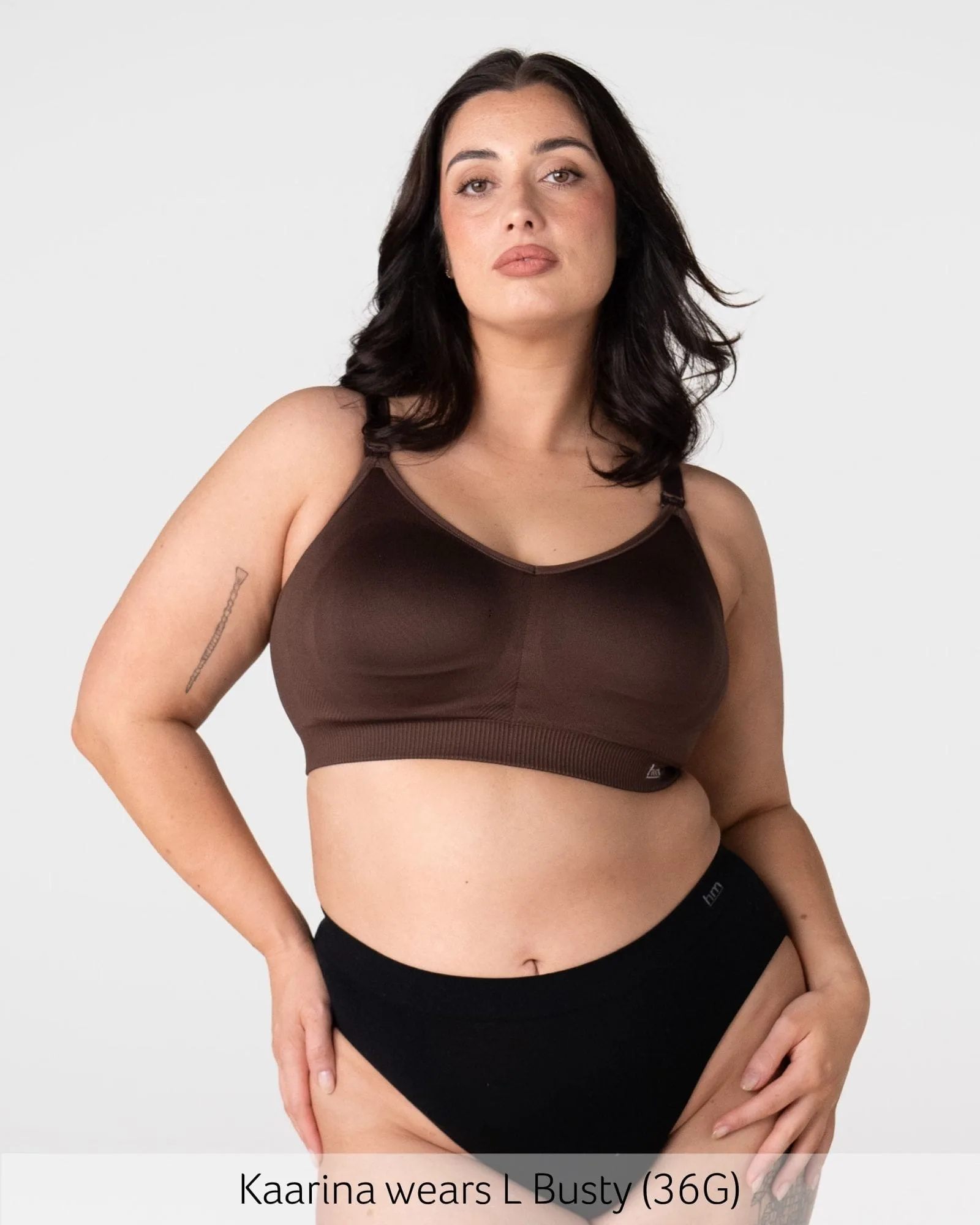
- My Everyday FlexFit Nursing Bra - Chocolate Busty: Designed for fuller busts with moulded unpadded cups, targeted support zones, and a double-layer back for smoothing. Available from G-M cups. If you have a larger cup size, this bra provides support without wires, helping to prevent the tight feeling that can come from underwire styles.
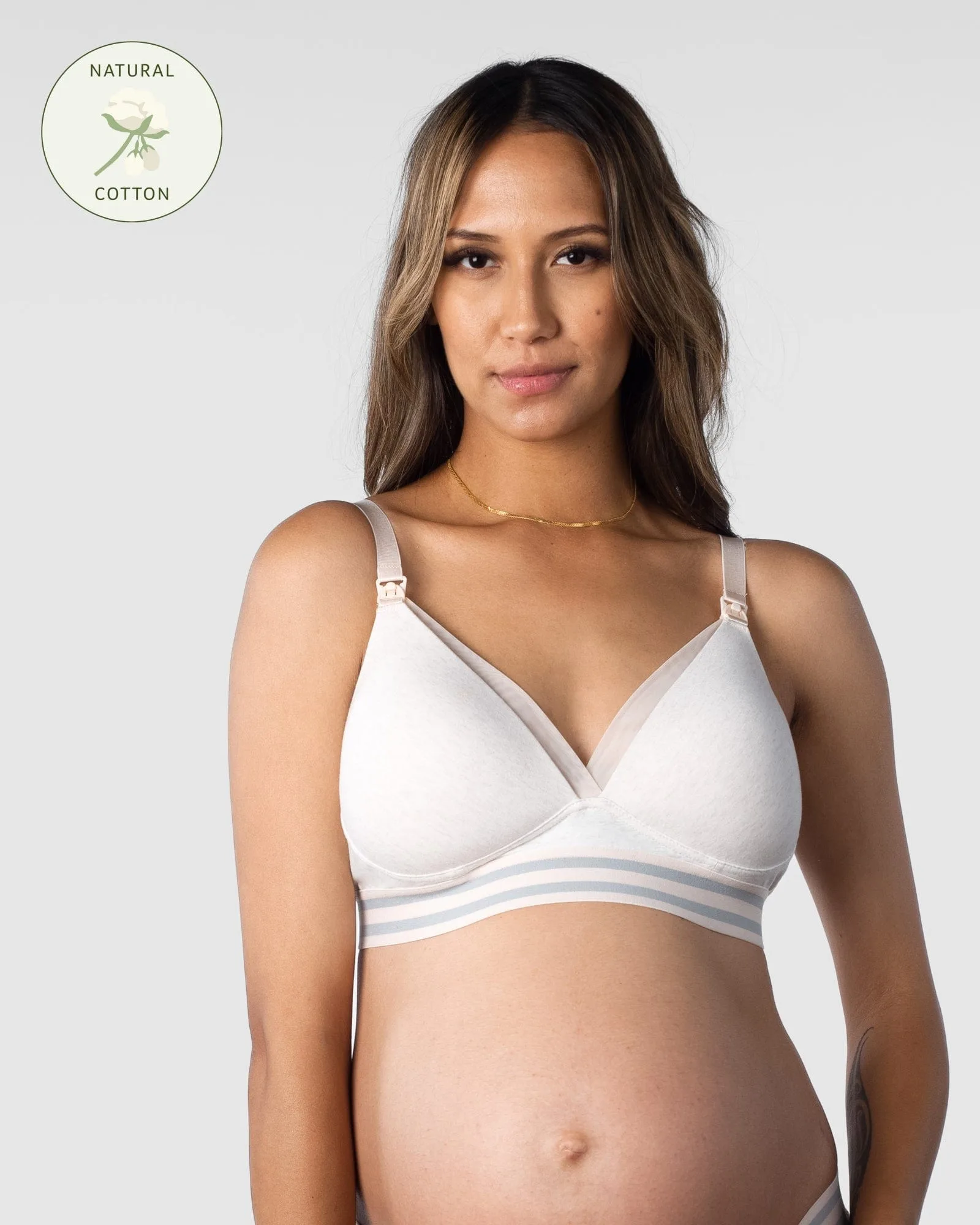
- Elevate Cotton Shell T-Shirt Nursing Bra - Wirefree: Pure wirefree comfort with contour foam cups and a mesh A-frame nursing support. Available with standard or racerback straps. The soft cotton and wirefree design are gentle on sensitive skin, and the adjustable straps let you customize the fit to avoid tightness.
A nursing bra that’s too tight can turn a beautiful bonding time into a painful chore. By paying attention to the signs, understanding the causes, and making simple adjustments, you can often fix the issue. But when your body needs more flexibility, don’t hesitate to explore wirefree and flexfit styles that move with you. Your comfort – and your milk supply – will thank you.