Quick Answer
Transitioning from glasses to contact lenses requires a few days of practice and patience. Start with a proper eye exam and fitting, then follow a step-by-step routine for insertion, removal, and cleaning to ensure comfort and eye health.
Get a Professional Eye Exam and Fitting
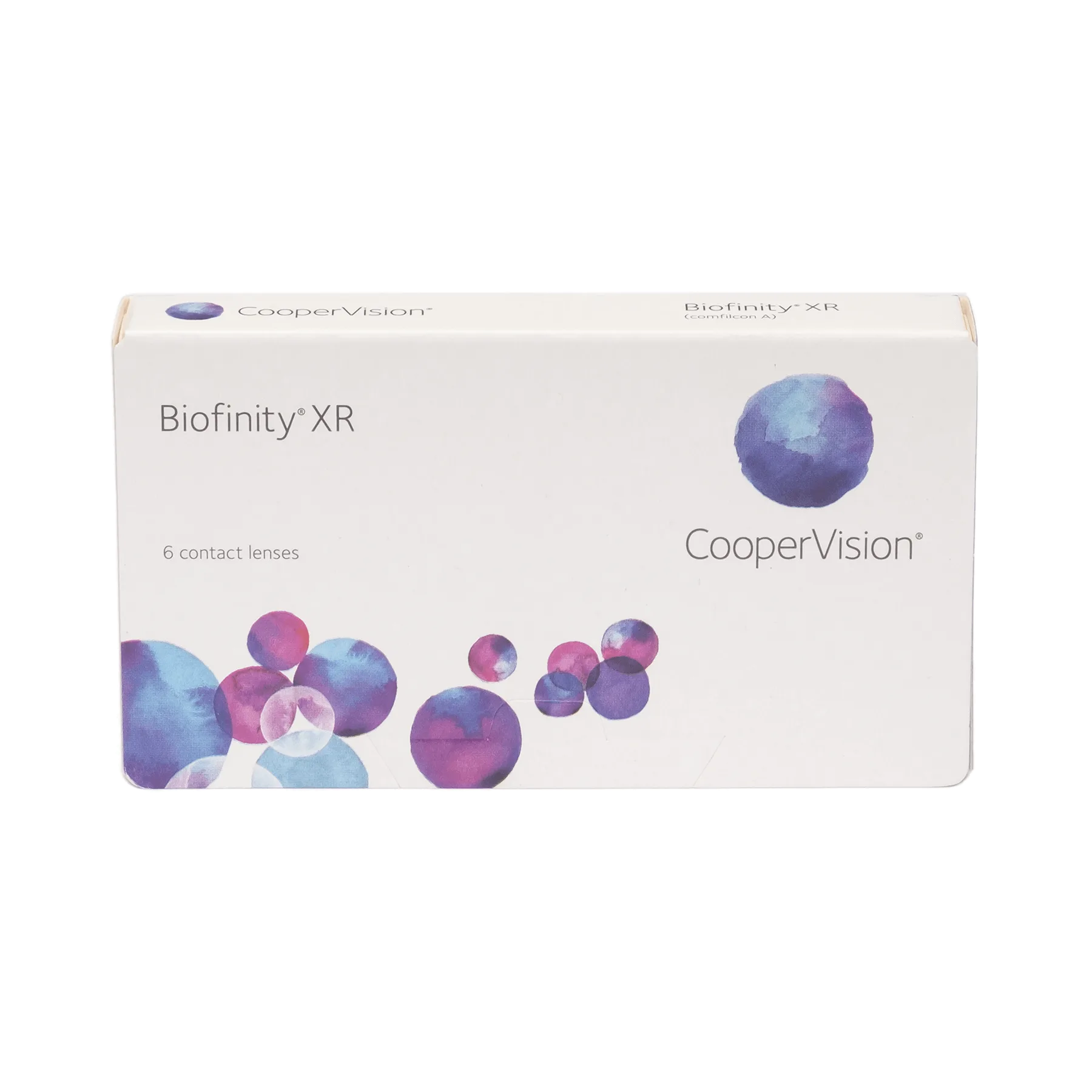
Before you buy your first pair of contact lenses, schedule a comprehensive eye exam with an optometrist. They will measure your eye curvature, check for dry eye or other conditions, and determine the best lens type for your needs. Monthly disposable lenses, like the Biofinity XR from CooperVision, are a popular choice for new wearers because they offer consistent comfort and are replaced regularly, reducing the risk of buildup. Your prescription for contacts will differ from your glasses prescription, so never use your glasses Rx to order contacts.
Choose the Right Lens Material and Replacement Schedule
Monthly lenses are a great starting point because they balance cost, comfort, and hygiene. They are designed to be worn for up to 30 days and then discarded. For those with high prescriptions or astigmatism, extended range options like Biofinity XR provide clear vision without compromising on moisture. Always follow the recommended replacement schedule—wearing monthly lenses beyond their intended use increases the risk of infection and discomfort.
Practice Proper Hygiene and Handling
Wash your hands thoroughly with soap and water before touching your lenses. Avoid moisturizing soaps that can leave a residue. Use only fresh contact lens solution to clean and store your lenses—never water or saliva. Rub and rinse each lens before placing it in its case, and replace the case every three months. Skipping these steps is a common mistake that can lead to eye infections.
Master Insertion and Removal
Start by placing the lens on your index finger, making sure it's not inside out (the edges should form a smooth bowl). Use your other hand to hold your upper eyelid open, then gently place the lens on your eye. Blink to center it. For removal, look up and slide the lens down to the white of your eye before pinching it off. If you feel discomfort, remove the lens and check for debris or damage. Many beginners find it easier to practice during the day when eyes are less tired.
Gradually Increase Wear Time
Your eyes need time to adjust to contacts. Start by wearing them for 4–6 hours on the first day, then increase by 1–2 hours each subsequent day. If you experience redness, pain, or blurry vision, remove the lenses and give your eyes a break. Always have your glasses handy as a backup during the transition period. Over time, your eyes will adapt, and you'll be able to wear contacts for a full day comfortably.
Step-by-Step Transition Plan
- Step 1: Get Fitted: Visit an optometrist for a contact lens exam and fitting. They will measure your eye and recommend a lens type. Common mistake: Using your glasses prescription for contacts. Always get a separate contact lens exam.
- Step 2: Choose Your Lenses: Select monthly disposable lenses that match your prescription and lifestyle. Consider options like Biofinity XR for high prescriptions. Checkpoint: Confirm the replacement schedule—monthly lenses must be replaced every 30 days.
- Step 3: Practice Handling: Wash hands, then practice placing a lens on your fingertip and inspecting it for tears or debris before insertion. Common mistake: Touching lenses with dirty hands or using tap water to rinse them.
- Step 4: Insert and Remove: Use the technique of holding your eyelid open and placing the lens directly on the eye. For removal, slide the lens down before pinching. Checkpoint: If the lens feels uncomfortable, remove it and check for debris or damage before reinserting.
- Step 5: Build Wear Time Gradually: Start with 4–6 hours on day one and increase by 1–2 hours daily. Keep glasses nearby as a backup. Common mistake: Wearing contacts too long on the first day, leading to eye fatigue and dryness.
Product Facts
- Biofinity XR - 6 Pack: Biofinity XR contact lenses are monthly lenses made for people with severe nearsightedness or farsightedness. They are made of 52% comfilcon A and come in a 6-pack box. An annual supply is 4 boxes. If you have a high prescription, Biofinity XR offers an extended range that may not be available in standard monthly lenses, allowing you to wear contacts comfortably without compromising on vision clarity.