Quick Answer
To use a kegel exerciser, start by emptying your bladder, insert the device, and then contract your pelvic floor muscles around it. Hold the contraction for 5–10 seconds, relax for the same duration, and repeat for 10–15 minutes daily. For beginners, choose a lightweight device and progress gradually to avoid strain.
Kegel exercises are a proven way to strengthen your pelvic floor, which supports your bladder, bowel, and uterus. A kegel exerciser adds resistance and feedback, making each contraction more effective. Whether you're recovering from childbirth, managing incontinence, or wanting better sensation during intimacy, a pelvic floor exerciser can help you train with precision.
This guide walks you through the correct technique, a simple training routine, and common mistakes to avoid. You'll also learn what to look for when choosing your first kegel balls, so you can start with confidence and see real results.
Why Use a Kegel Exerciser?
Kegel exercises strengthen the pelvic floor muscles, which play a key role in bladder control and sexual function. Using a kegel exerciser adds resistance, helping you engage the right muscles more effectively than doing exercises without one. It also provides feedback, so you know whether you're contracting correctly.
Regular kegel training can help prevent or improve stress incontinence, support postpartum recovery, and enhance sensation during intimacy. Many people also use these exercises to maintain pelvic health as they age. The benefits are cumulative, so consistency matters more than intensity.
- Always empty your bladder before starting your kegel routine.
- Begin with a lighter device and progress to heavier resistance as you get stronger.
How to Insert and Use a Kegel Exerciser
Start by washing your hands and the device with mild soap and water. Apply a small amount of water-based lubricant to the device for comfortable insertion. Lie on your back with your knees bent, or sit in a comfortable position. Gently insert the device into your vagina, about 1–2 inches, or as instructed for your specific product.
Once inserted, contract your pelvic floor muscles as if you're stopping the flow of urine. Hold the contraction for 5 seconds, then relax for 5 seconds. Repeat this 10 times for one set. Aim for three sets per day. As you get stronger, increase the hold time to 10 seconds and the number of repetitions.
- Don't hold your breath—breathe freely throughout each contraction.
- Avoid using the toilet muscles; focus on lifting the pelvic floor upward.
Building a Kegel Training Routine
Consistency is the key to seeing results. Start with a daily routine of 10–15 minutes, divided into short sessions if that's easier. For example, do one set in the morning, one in the afternoon, and one in the evening. You can perform kegel exercises anywhere—while sitting at your desk, watching TV, or lying in bed.
Progress by gradually increasing the hold time and the number of repetitions. Some devices come with apps or training programs that track your progress and remind you to exercise. If you're using a device with resistance, upgrade to a heavier weight only when you can complete your routine with good form and no discomfort.
- Set a daily reminder to stay consistent.
- Track your progress to stay motivated.
Common Mistakes to Avoid
A common mistake is using the wrong muscles. If you feel your abdomen, buttocks, or thighs tightening, you're not isolating the pelvic floor. Place a hand on your lower abdomen; it should stay relaxed. Another mistake is holding your breath—remember to breathe naturally throughout each contraction.
Overdoing it can also be counterproductive. Start with a light routine and gradually increase intensity. If you experience pain or discomfort, stop and consult a healthcare professional. Also, avoid using a kegel exerciser if you're pregnant unless your doctor approves, and always clean your device after each use to prevent infections.
- If you're unsure you're using the right muscles, try stopping urine mid-stream once to feel the contraction, but don't do this regularly.
- Listen to your body—rest days are okay.
Step-by-Step Kegel Routine
- Step 1: Empty Your Bladder: Always start with an empty bladder to avoid discomfort and to ensure you're exercising, not holding urine. Checkpoint: You should feel no urge to urinate during your session.
- Step 2: Insert the Device: Wash your hands and the device, apply lubricant, and insert it gently into the vagina, about 1–2 inches deep. Checkpoint: You should feel the device in place without pain.
- Step 3: Contract and Hold: Tighten your pelvic floor muscles, hold for 5 seconds, then relax for 5 seconds. Repeat 10 times. Checkpoint: Your abdomen and buttocks should stay relaxed.
- Step 4: Repeat Daily: Aim for three sets of 10 repetitions each day. Gradually increase hold time to 10 seconds as you get stronger. Next step: After two weeks, you may notice improved control and strength.
Kegel Exercisers to Consider
- Tangdandan Wireless Bluetooth Vibrator: This device features a built-in pressure sensor that triggers vibration when you squeeze, and it connects to an app for real-time training feedback. It also has a tail with scale marks to adjust insertion depth. The pressure sensor and app feedback help you confirm you're contracting the right muscles, making it ideal for beginners who want guided training.
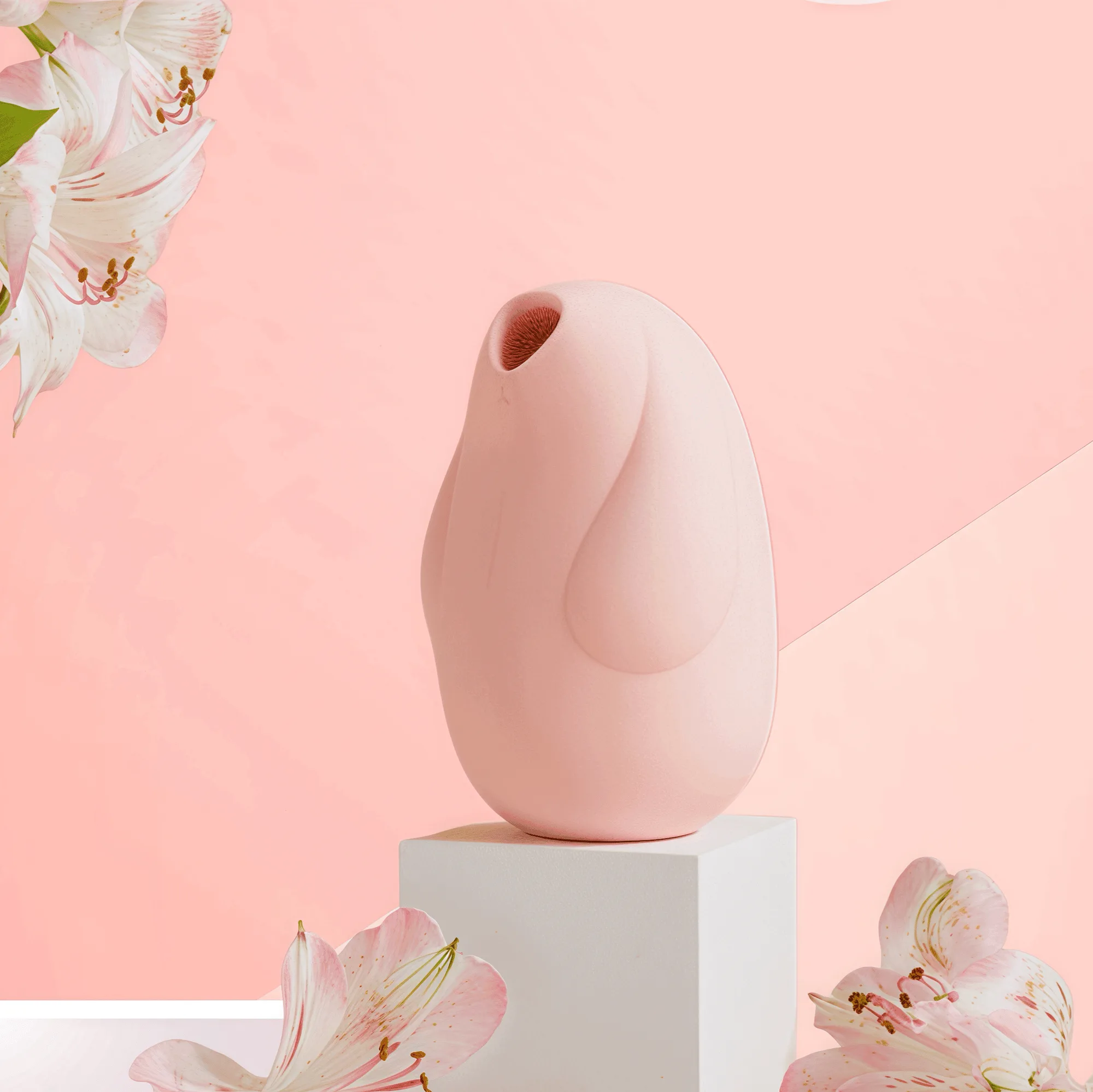
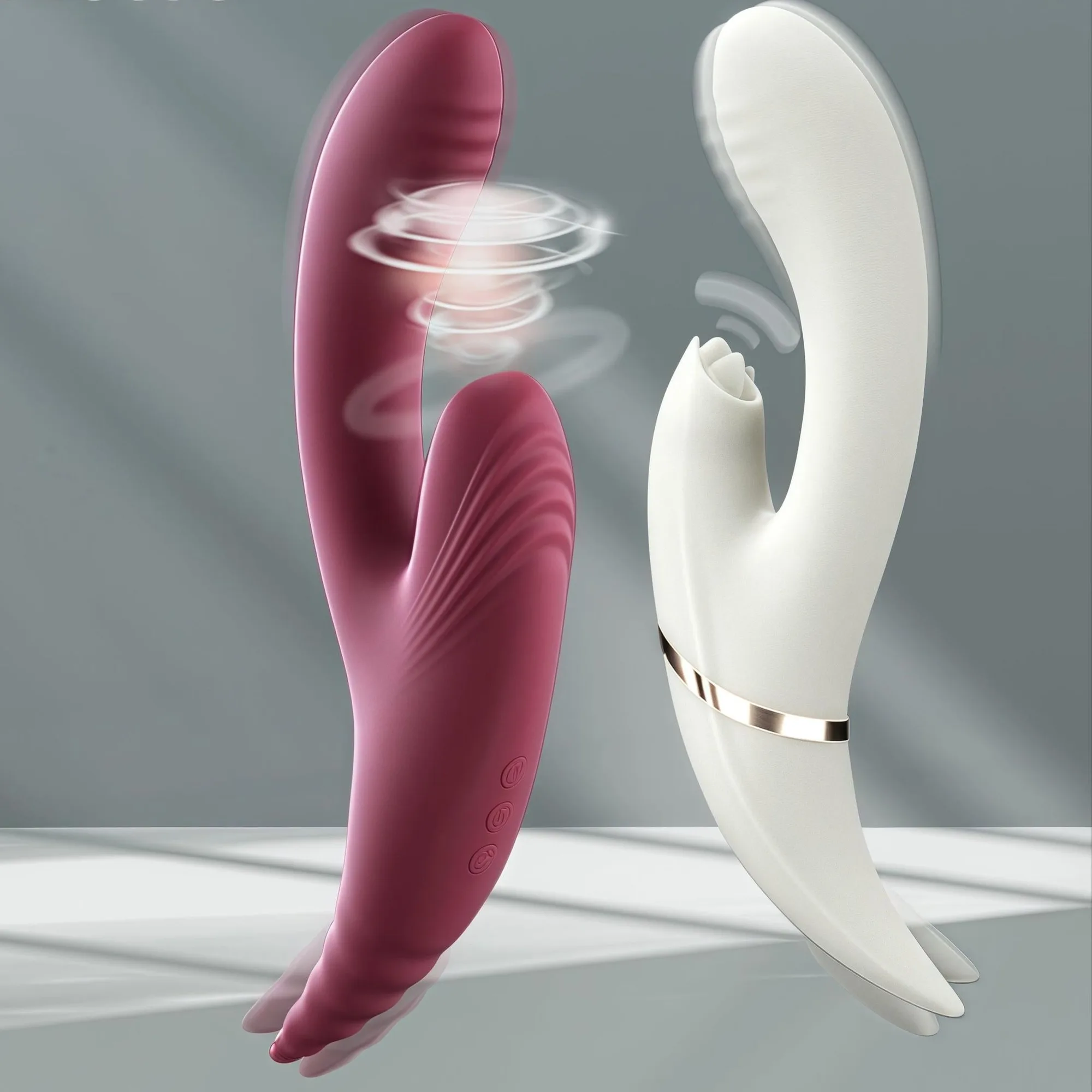
- White Rabbit Suction Vibrator: This toy combines high-frequency vibration and air pulse technology, and it's made of food-grade silicone with IPX6 water resistance. While it's not a dedicated kegel device, its ergonomic shape and gentle vibrations can be used to stimulate the pelvic floor area, adding variety to your routine.
Using a kegel exerciser is a simple, effective way to strengthen your pelvic floor and improve your overall well-being. Start with the right device, follow a consistent routine, and avoid common mistakes to see the best results. If you're new to kegel training, consider a device with feedback features like the Tangdandan Wireless Bluetooth Vibrator to guide your practice.