Quick Answer
To use a squeaker ball effectively, start by introducing the toy in a calm environment, then use it for short, engaging play sessions that reward desired behaviors. Rotate it with other toys to keep it novel, and always supervise to ensure safe chewing.
A squeaker ball can be more than just a fun toy—it's a versatile tool for interactive play and training. The squeak captures your dog's attention, making it ideal for redirecting energy, rewarding focus, and building a stronger bond through play.
Whether you have a puppy or an adult dog, understanding how to use a squeaker ball for dogs can turn a simple game of fetch into a productive training session. This guide walks you through practical steps to get the most out of this engaging toy.
Why a Squeaker Ball Works for Training
The squeaker inside the ball triggers your dog's natural prey drive, which is why it's so effective for capturing attention. The sound is inherently interesting to most dogs, making it a powerful reward during training. When used correctly, the squeaker can mark a desired behavior, similar to a clicker, but with the added benefit of being a toy your dog loves.
Unlike a standard ball, a squeaker ball offers both auditory and tactile stimulation. This makes it excellent for dogs that need extra motivation or are easily distracted. It's also a great way to make exercise more fun, as the squeak encourages chasing and pouncing, which burns energy and keeps your dog mentally sharp.
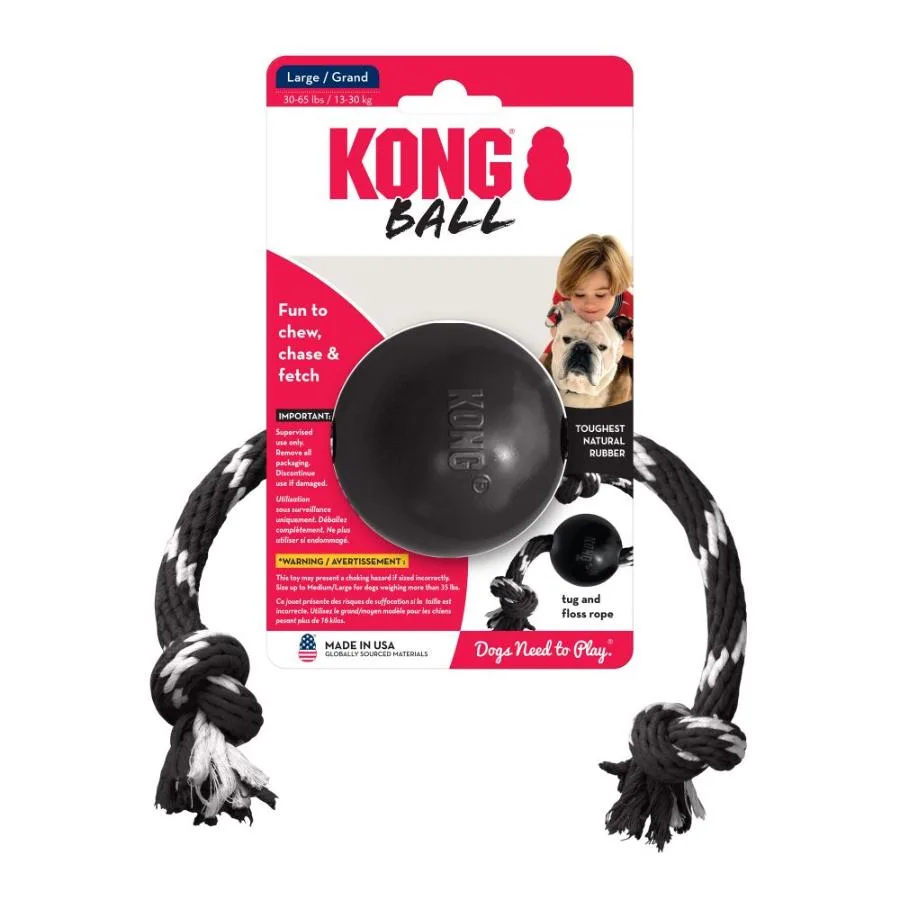
- Choose a squeaker ball made from durable rubber, like the KONG Extreme Ball with Rope, to withstand enthusiastic play.
- Use the squeaker to get your dog's attention before starting a training session.
Choosing the Right Squeaker Ball
Not all squeaker balls are created equal. For moderate chewers, a ball made from tough, puncture-resistant rubber is essential. The KONG Extreme Ball with Rope is a great choice because it's designed for durability and also includes a cotton rope for tug games, adding variety to your play. Size matters too—a ball that's too small can be a choking hazard, while one that's too large may be hard for your dog to carry.
Consider your dog's play style. If they like to chew, a ball with a rope attached can satisfy that urge while also giving you a handle for interactive games. If they're more into fetch, a simple round ball that rolls well is ideal. Always check the toy for damage and replace it if the squeaker is exposed or the rubber is torn.
- For moderate chewers, look for balls labeled 'extreme' or 'durable' to ensure they last.
- Rotate the squeaker ball with other toys to keep it exciting and prevent boredom.
Safety First: Supervision and Inspection
While squeaker balls are designed for play, they aren't indestructible. Always supervise your dog when they're playing with any toy, especially one with a squeaker. If your dog manages to puncture the ball, the squeaker can become a choking hazard. Regularly inspect the ball for cracks, tears, or loose parts, and remove it from play if you notice any damage.
Also, consider your dog's chewing strength. A heavy chewer might destroy a squeaker ball quickly, so it's important to choose a product that matches their intensity. The KONG Extreme Ball is made from a special rubber that's tougher than standard balls, making it a safer bet for dogs that like to chew. Remember, no toy is completely indestructible, so supervision is key.
- Check the squeaker ball before each use for any signs of wear.
- If the squeaker stops working, it's time to replace the ball to avoid ingestion risks.
Step-by-Step Guide to Using a Squeaker Ball
- Introduce the Squeaker Ball: In a quiet, distraction-free area, let your dog sniff and investigate the ball. Squeeze it a few times to let them associate the sound with something positive. Reward them with a treat when they show interest. Checkpoint: Your dog should be curious and engaged, not fearful of the sound.
- Build Drive with Tug: Use the rope (if available) to play a gentle game of tug. This builds your dog's drive and teaches them to engage with you. Say 'take it' as they grab, and 'drop it' when you want them to release. Common mistake: Pulling too hard can hurt your dog's neck. Keep the tug gentle and controlled.
- Incorporate Fetch: Throw the ball a short distance and encourage your dog to chase it. When they pick it up, call them back to you. Reward them with a treat and praise when they return and release the ball. Checkpoint: If your dog doesn't return, use a long lead to guide them and practice in a fenced area.
- Use as a Training Reward: Once your dog is excited about the ball, use it as a reward for commands like 'sit', 'stay', or 'come'. The squeak becomes a secondary reinforcer, marking the correct behavior. Common mistake: Overusing the squeaker can desensitize your dog. Keep sessions short and end on a positive note.
- Rotate and Store: After play, put the squeaker ball away out of sight. This keeps it special and maintains its value as a training tool. Rotate it with other toys to prevent boredom. Checkpoint: Your dog should be excited to see the ball come out, not ignore it.
Product Spotlight
- KONG Extreme Ball w/Rope: Made from KONG Extreme rubber, the ball is designed for durability for long-lasting interactive play. The 100% cotton rope also rewards appropriate chewing behavior while massaging teeth and gum. This makes it a great choice for moderate chewers who need a tough toy that can handle both fetch and tug, while the rope adds an extra element for interactive play and dental health.
Using a squeaker ball for interactive play and training is a simple way to boost your dog's engagement and reinforce good behavior. By choosing a durable option like the KONG Extreme Ball with Rope and following these steps, you can turn playtime into a productive training session. Remember to always supervise and inspect the toy to keep your furry friend safe.