Quick Answer
Bingo works in teen therapy because the game structure lowers pressure while the prompts do the clinical work. Pick a topic-specific deck that matches your group's goal, set clear ground rules before the first card is dealt, and treat the debrief as the real session.
Why Bingo Fits Teen Groups
Teens often resist direct questioning but will engage when a game gives them something to do with their hands and a reason to speak up. Bingo adds a predictable structure, so you can introduce sensitive topics without the room going silent. The format also lets quieter members participate by reading a card or confirming a match before they are ready to share personal examples.
Match the Game to the Session Goal
The topic on the cards should match the reason the group is meeting. If your goal is identity and confidence work, a self-esteem deck keeps every prompt on theme. If your goal is substance use prevention, an alcohol-focused deck gives you ready-made discussion anchors instead of improvised questions. Choose one topic per session rather than mixing decks, because mixed prompts dilute the discussion.
Prepare Materials Before Teens Arrive
Count your cards and calling pieces against the number of participants, and decide how you will handle a group larger than the card set. Print or copy any reproducible handouts in advance so you are not leaving the room mid-game. Keep a visible timer or clock nearby if you plan to cap the game, and set out chips or markers in a central spot so setup does not eat into session time.
Set Ground Rules and a Time Frame
Explain confidentiality limits, the right to pass, and how wins will be handled before play starts. A 45-60 minute game window fits a standard group session, but you may need to shorten it for younger teens or first sessions. Announce the time frame out loud so the group knows the debrief is coming and does not feel cut off.
Run the Game and Watch the Room
Call prompts at a steady pace, but pause when a card lands on something the group reacts to. Your job during play is to notice who is engaged, who is withdrawing, and which prompts produce the strongest responses. Note those prompts for the debrief rather than chasing every reaction in the moment, which can stall the game.
Debrief: Where the Therapy Happens
After the last win, shift from game mode to discussion mode. Ask the group which prompt was hardest to answer, which one they disagreed with, and what they would add to the deck if they could. This is where the game becomes therapy rather than an activity, so protect at least ten minutes for it.
Adapt for One-on-One Sessions
With a single teen, you can play cooperatively toward a shared goal instead of competing, or use the calling cards as conversation prompts without the board. This removes the pressure of winning and lets the teen set the pace. Keep the same debrief questions so the session still closes with reflection.
Common Mistakes to Avoid
The most frequent error is treating bingo as a filler activity with no follow-up, which wastes the prompts. The second is choosing a topic that does not match the group's actual need, which produces flat responses. The third is letting the game run past its window and losing the debrief entirely.
Step-by-Step: Running a Teen Therapy Bingo Session
- Choose one topic-matched game: Select a single deck that matches the session goal, such as a self-esteem deck for confidence work or an alcohol prevention deck for substance use prevention. Checkpoint: if you cannot name the goal in one sentence, the game choice is not ready.
- Prepare cards, chips, and handouts: Count materials against group size, copy any reproducible handouts, and set out chips before teens arrive. Mistake to avoid: discovering mid-game that you are short on cards.
- Set ground rules and time frame: State confidentiality limits, the right to pass, and how wins will be handled, then announce the game window out loud. Mistake to avoid: skipping rules and having to interrupt play to correct behavior.
- Play at a steady pace and note reactions: Call prompts consistently, pause briefly on high-impact cards, and jot down which prompts produced strong responses for the debrief. Checkpoint: if you are talking more than the group, slow down and let them respond.
- Debrief with three questions: Ask which prompt was hardest, which one they disagreed with, and what they would add to the deck. Mistake to avoid: ending at the last win and losing the therapeutic content.
Games That Fit Teen Therapy Sessions
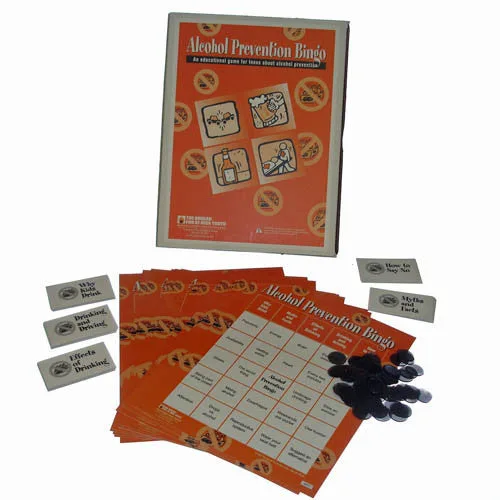
- Alcohol Prevention Bingo: Alcohol Prevention Bingo covers why kids use alcohol, myths about alcohol use, effects of alcohol use, effects on driving, and ways to say no; one game runs 45-60 minutes and suits ages 12-18. The 45-60 minute window maps directly onto a standard group session, and the built-in topics give you discussion anchors without writing your own prompts.
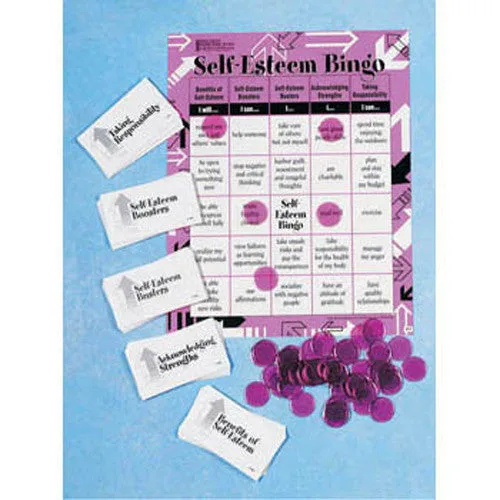
- Self-Esteem Bingo - Adult Version: Self-Esteem Bingo - Adult Version focuses on self-esteem Boosters and Busters, the benefits of self-esteem, acknowledging strengths, and taking responsibility, with 16 laminated cards and 75 calling cards. The laminated cards hold up to repeated group use, and the strengths-and-responsibility prompts suit teens working on identity and confidence.
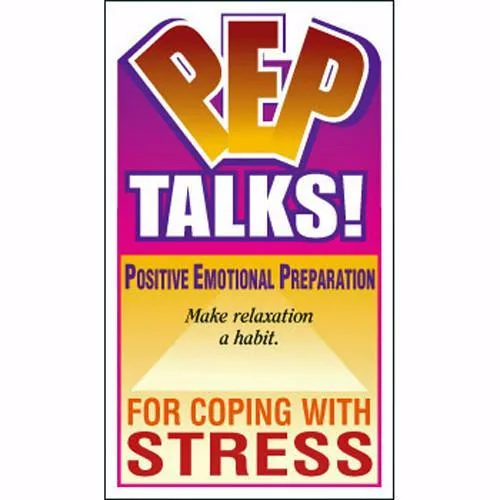
- PEP Talks for Coping with Stress: PEP Talks for Coping with Stress is a 55-card deck written by psychologist Dr. Lawrence Shapiro, with each card combining a quote or technique with an action task. The action-task format gives teens something concrete to try between sessions, which extends the work beyond the group hour.