Quick answer
Use culinary matcha as a flavorful green tea powder for baking, smoothies, and savory dishes. Its robust, slightly bitter taste works well when balanced with sweet or umami ingredients.
Why culinary matcha works in the kitchen
Culinary-grade matcha is made from later harvest tea leaves, giving it a stronger, more robust flavor than ceremonial grades. This makes it ideal for recipes where you want the green tea taste to come through without being overpowered by other ingredients.
Because it is less expensive than premium matcha, you can use it generously in batters, sauces, and rubs without worrying about wasting a prized powder.
Trade-off: bitterness needs balance
Culinary matcha’s natural bitterness is an advantage in savory dishes but can clash in sweet recipes if not paired correctly. Always add a sweetener like honey, maple syrup, or sugar when baking, and taste as you go.
For smoothies, the bitterness is usually masked by fruits or nut milks, but start with a small amount (1/2 teaspoon per serving) and adjust.
How to cook and bake with culinary matcha
- 1. Store matcha properly: Keep culinary matcha in an airtight container away from light, heat, and moisture. Use it within 2–3 months of opening for the freshest flavor. Always check the powder’s color and aroma before using; dull green or a stale smell means it has oxidized.
- 2. Start with small amounts in batters: For cookies, cakes, or pancakes, begin with 1–2 teaspoons of matcha per cup of flour. Whisk the powder with dry ingredients before adding wet ones to prevent clumps. Too much matcha can make baked goods taste muddy; you can always add more next time.
- 3. Blend matcha into smoothies gradually: Add 1/2 to 1 teaspoon of matcha to your smoothie base (milk, yogurt, or juice) and blend on low, then high. Taste before adding more. If the smoothie tastes harsh, a pinch of salt or a sweet banana can balance the bitterness.
- 4. Use matcha in savory dishes as a rub or seasoning: Mix matcha with salt, garlic powder, and a little oil to create a dry rub for tofu, chicken, or vegetables. Let it sit for 15 minutes before cooking. Culinary matcha can stain porous surfaces; use a non-reactive bowl and rinse utensils immediately.
- 5. Sift matcha before mixing: Always sift culinary matcha through a fine-mesh strainer into your bowl to break up clumps. This is critical for even distribution in both sweet and savory recipes. Skipping this step can lead to bitter pockets of powder in your final dish.
Product facts
-
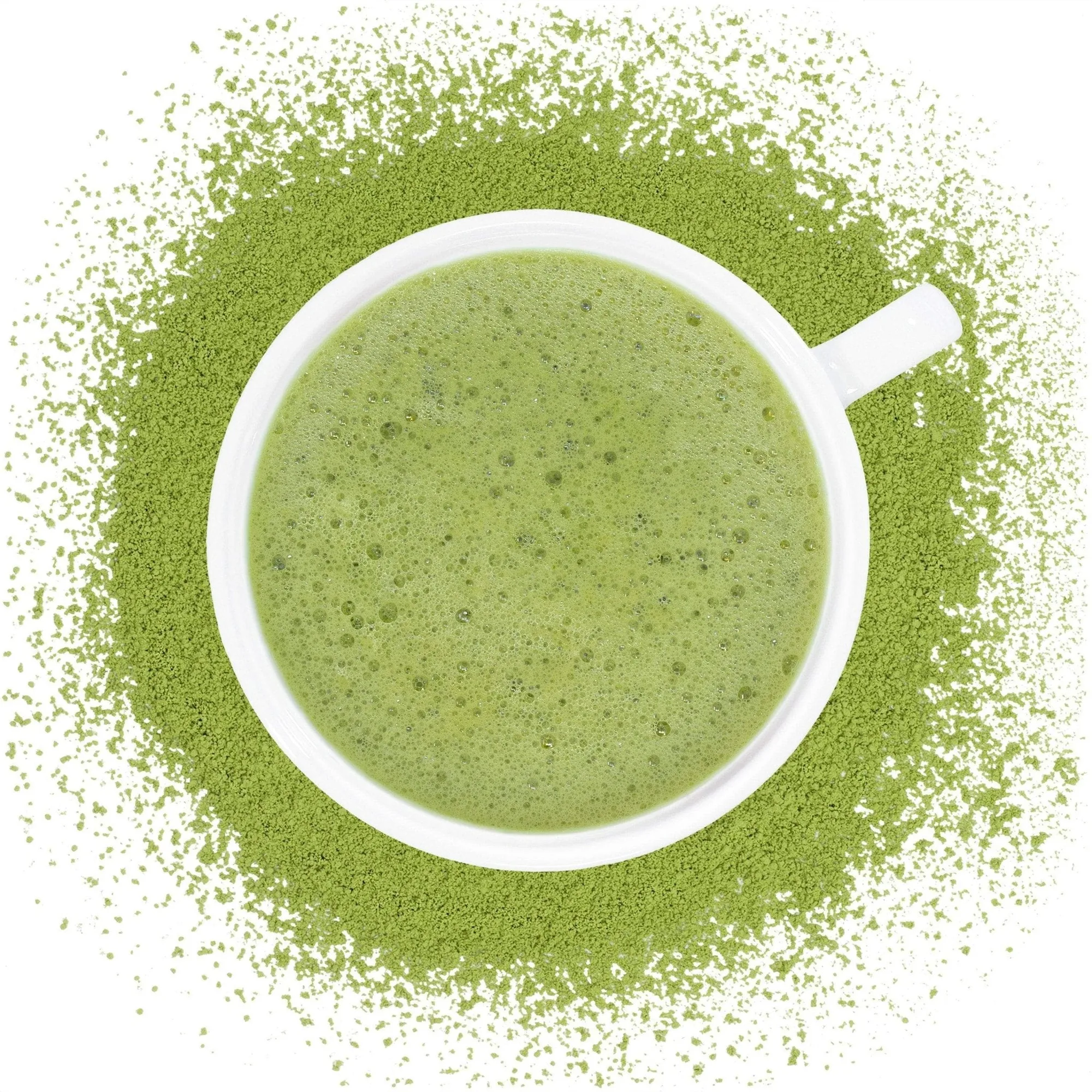
Culinary Matcha: Culinary-grade matcha is specifically designed for cooking and baking, with a robust and slightly bitter flavor profile. Its stronger taste holds up in baked goods and savory dishes, and the lower price point means you can experiment freely.
Culinary Matcha