Quick answer
Use the HairBuster comb with gentle, short strokes in the direction of fur growth, focusing on the back and sides while avoiding sensitive areas. Clean the blade regularly to maintain effectiveness.
Why the HairBuster Comb Works Differently
Unlike standard pet brushes, the HairBuster comb uses a fine-toothed stainless steel blade that cuts loose undercoat hairs without pulling or damaging the topcoat. This makes it especially effective for rabbits and guinea pigs during heavy shedding seasons.
The comb works best on short to medium-length fur. For long-haired breeds, you may need to detangle first with a wider comb to prevent snagging.
When to Groom and How Often
Groom your small pet when they are calm and relaxed, such as after a meal or during a quiet part of the day. For most rabbits and guinea pigs, once a week is sufficient during non-shedding periods. Increase to every other day during heavy shedding.
Avoid grooming immediately after your pet has been active or stressed. A calm pet is less likely to fidget, reducing the risk of accidental nicks.
Step-by-Step Grooming Instructions
- Prepare your pet and area: Place your rabbit or guinea pig on a non-slip surface, such as a towel or grooming mat. Have the HairBuster comb and a small container of warm water ready. Speak softly and offer a treat to keep your pet calm. A common mistake is starting on a slippery surface, which makes your pet feel insecure and more likely to struggle.
- Brush in the direction of fur growth: Hold the comb at a slight angle and use short, gentle strokes along the back and sides. Do not press hard; let the blade do the work. Work in small sections, brushing from the neck toward the tail. Brushing against the grain can pull the skin and cause discomfort. Always follow the natural fur direction.
- Clean the blade after every few strokes: Use your thumb or a soft cloth to wipe accumulated fur from the blade. If fur builds up, dip the comb in warm water and wipe dry. A clean blade cuts more effectively and reduces tugging. Skipping blade cleaning is the most common mistake. A clogged comb loses efficiency and may pull fur instead of cutting it.
- Avoid sensitive areas: Do not use the HairBuster comb on the belly, face, legs, or tail. These areas have thinner skin and more sensitive tissue. Stick to the back, sides, and rump where loose fur is most concentrated. If your pet flinches or tries to move away, you may have strayed into a sensitive zone. Stop and reposition.
- Reward and inspect after grooming: Give your pet a small treat and gently check for any remaining loose patches or mats. Use your fingers to test the coat; if you can easily pull away loose fur, a few more strokes may be needed. Over-grooming can irritate the skin. Stop once the comb no longer collects significant fur.
Product used in this guide
-
HandiScoop Pro - Short: Make clean-up a breeze with HandiScoop, the ultimate tool for pet parents who value convenience and hygiene. Designed for easy handling, this versatile scoop is perfect for managing pet messes without the fuss. After grooming, use the HandiScoop to quickly collect and dispose of loose fur from the floor or grooming area, keeping your space sanitary and reducing airborne allergens.
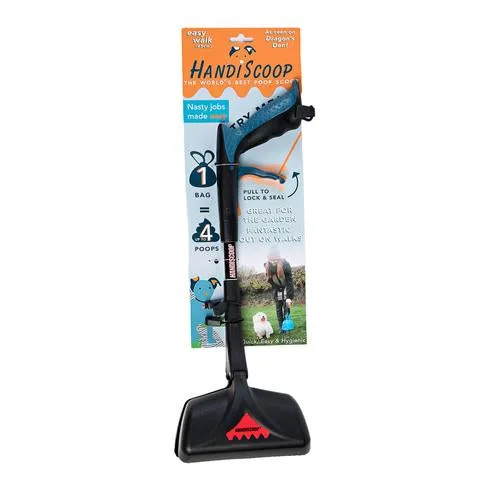
HandiScoop Pro - Short