Quick Answer
Start by introducing numbers 1 to 5 on a magnetic surface, then progress to matching, ordering, and simple addition. Use a daily calendar to reinforce number recognition in context, and keep sessions short and playful to maintain engagement.
Magnetic wooden numbers are a versatile tool for teaching counting at home. They combine tactile exploration with visual learning, helping preschoolers grasp number recognition and sequencing in a hands-on way.
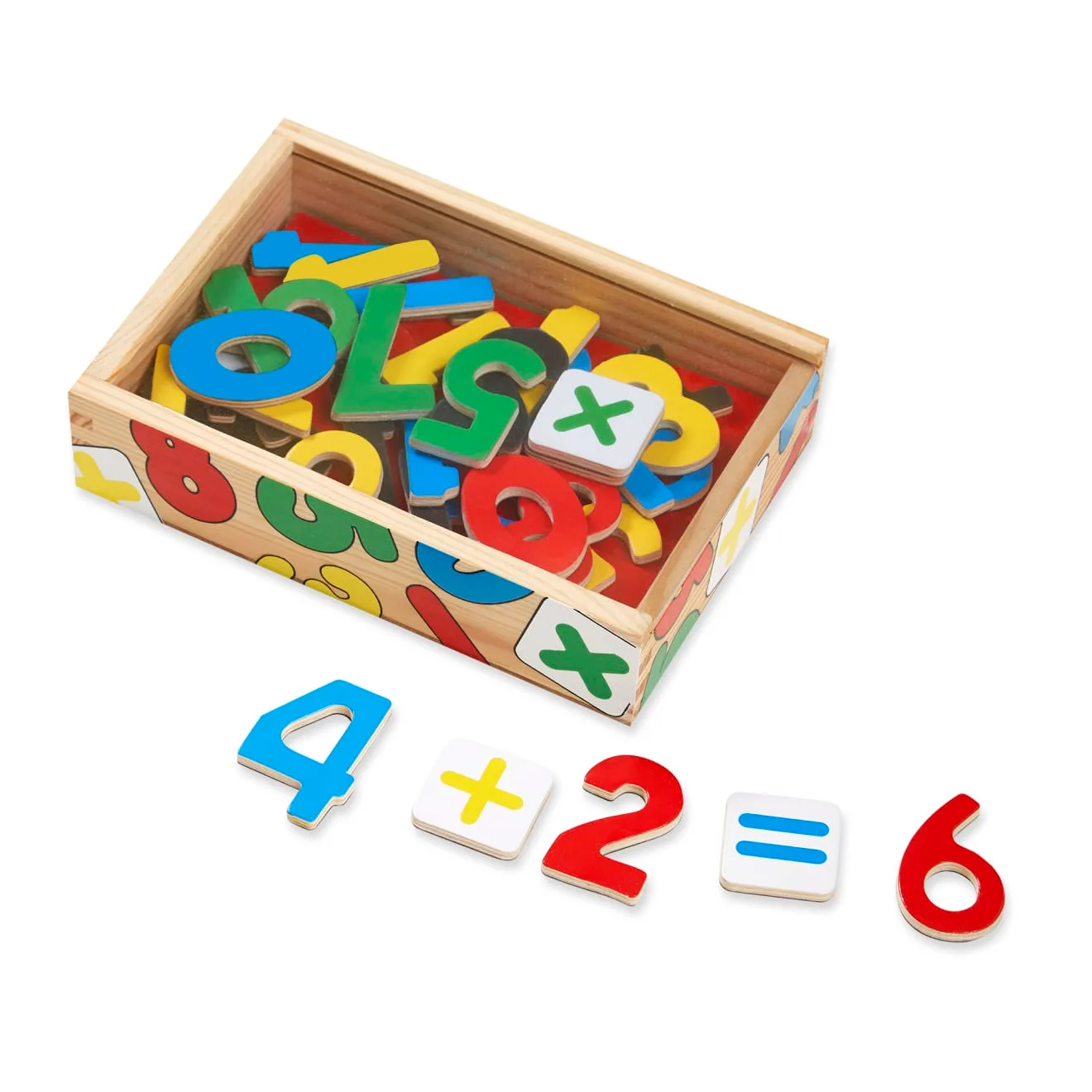
Magnetic wooden numbers
This guide walks you through a simple, step-by-step approach to using magnetic numbers effectively, with practical activities and common pitfalls to avoid.
Getting Started: Setting Up Your Magnetic Numbers
Before you begin, choose a magnetic surface like a fridge, a magnetic whiteboard, or a cookie sheet. Keep the numbers organized in a small container or tray. Start with numbers 1 to 5 to avoid overwhelming your child.
Introduce one number at a time. Show the numeral, say its name, and count out corresponding objects like blocks or snacks. This connects the symbol to the quantity, which is the foundation of counting.
- Use a flat, accessible surface at your child's eye level.
- Limit the number of digits to reduce cognitive load.
- Model counting aloud while placing each number.
Step-by-Step Counting Activities
Once your child is comfortable with a few numbers, move to ordering. Place numbers 1 to 5 in a row and ask your child to arrange them from smallest to largest. This reinforces sequence and number order.
Next, try matching games. Write or draw groups of dots on cards and have your child place the correct magnetic number next to each group. This builds one-to-one correspondence, a key counting skill.
For older preschoolers, introduce simple addition. Show a number like 3, then add 2 more objects, and ask your child to find the number 5. This transitions from counting to early arithmetic.
- Keep sessions to 5–10 minutes to match attention spans.
- Use everyday objects like toys or snacks for counting practice.
- Celebrate effort, not just correct answers.
Common Mistakes to Avoid
One common mistake is moving too quickly. If your child can't yet recognize numbers 1 to 3, don't push to 10. Mastery at each level is more important than speed.
Another pitfall is using numbers in isolation. Counting is more meaningful when connected to real objects. Always pair numerals with quantities, and use contexts like a daily calendar to show numbers in everyday life.
Finally, avoid forcing practice. If your child resists, take a break and return later. Playful repetition is more effective than pressure.
- Check for understanding before introducing new numbers.
- Incorporate numbers into daily routines, like setting the table or checking the date.
- Rotate activities to keep interest high.
Step-by-Step Plan for Counting with Magnetic Numbers
- Start with 1 to 5: Place magnetic numbers 1 through 5 on a magnetic surface. Say each number aloud and count out matching objects. Checkpoint: Can your child point to the correct number when asked?
- Practice Ordering: Mix up the numbers and ask your child to arrange them in order. Use a number line or calendar as a visual guide. Checkpoint: Does your child place numbers in the correct sequence?
- Move to Matching and Adding: Draw dot groups on cards and match them to numerals. Then try simple addition by combining groups. Checkpoint: Can your child count the total and select the right number?
Products That Support Counting at Home
- My Magnetic Daily Calendar: Kids can post the day of the week, date, weather, and special events on a large magnetic board, with a space to post their mood. This calendar turns daily routines into counting practice, helping children see numbers in context and understand the passage of time.
- Poke-A-Dot Jumbo Alphabet Learning Cards: Each side of the 13 sturdy cards features a letter, along with objects that begin with that letter and corresponding dots to poke. Poking dots while counting objects reinforces one-to-one correspondence and fine motor skills, making it a great complement to magnetic number play.
With these steps, you can turn magnetic wooden numbers into a powerful learning tool. Keep it playful, stay patient, and celebrate each small success. Your child will build counting confidence that lasts.