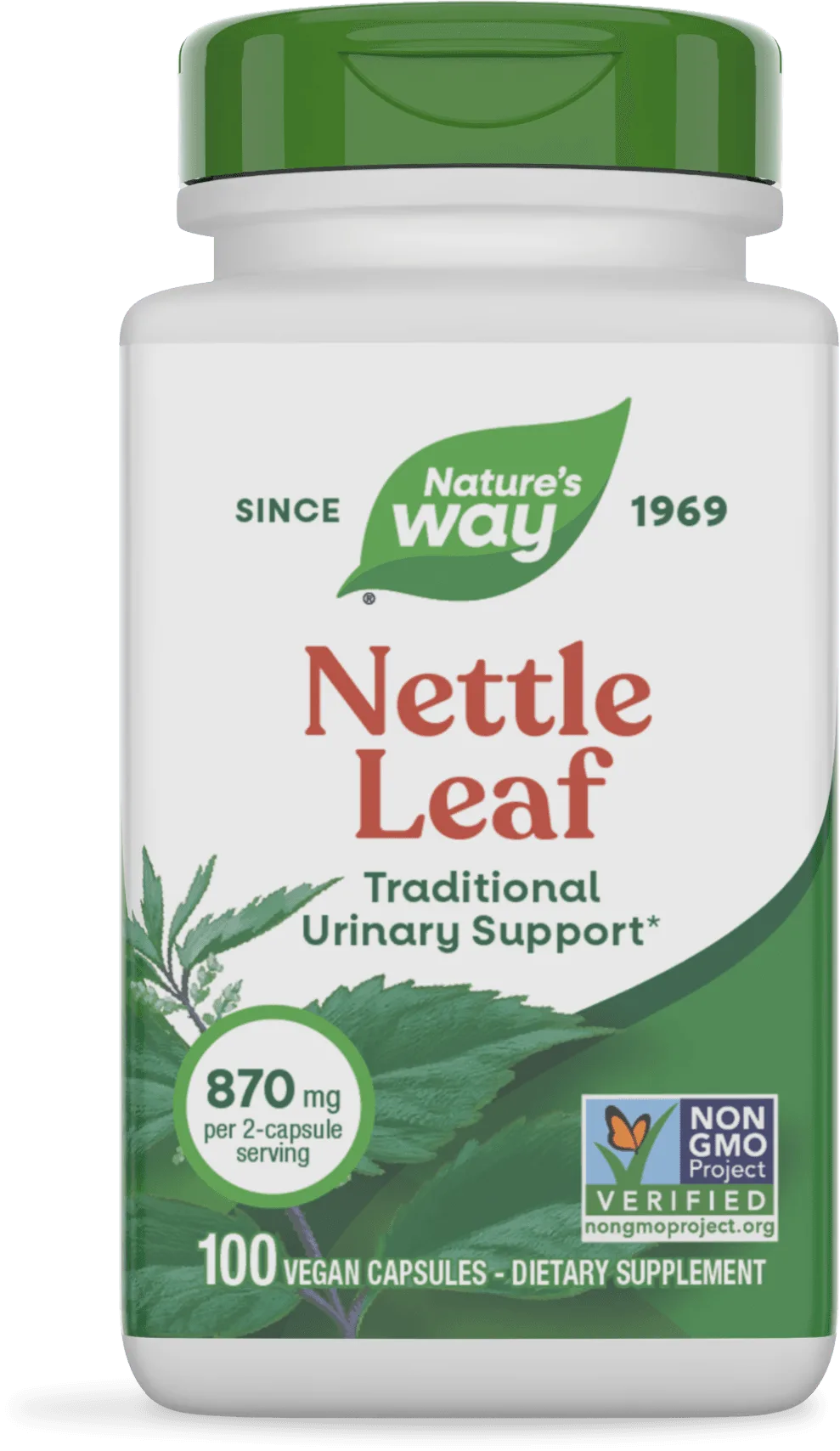
Seasonal allergies can turn a beautiful spring day into a sneezy, itchy ordeal. If you're looking for a natural way to ease hay fever symptoms, https://natureswaybx.com/products/nettle-leaf-384729nettle leaf might be the herbal ally you need. Used for centuries in traditional medicine, nettle (Urtica dioica) has gained modern attention for its potential to calm histamine responses and soothe irritated nasal passages.
But knowing how to use nettle leaf effectively is key. In this guide, we'll explore the science behind nettle for allergies, the best forms to take, recommended dosages, and practical tips to incorporate it into your daily routine — so you can breathe easier all season long.
Why Nettle Leaf Works for Seasonal Allergies
Nettle leaf contains compounds that may help reduce the body's production of histamine, the chemical responsible for many allergy symptoms like sneezing, itching, and a runny nose. Research suggests that nettle extracts can inhibit inflammatory pathways and stabilize mast cells, which release histamine during an allergic reaction. This makes nettle a promising natural allergy remedy for hay fever sufferers.
Beyond its antihistamine-like effects, nettle is rich in antioxidants and nutrients like quercetin, which further supports immune balance. While not a substitute for medical treatment, many people find that regular use of nettle during allergy season helps lessen the intensity of their symptoms.
- Nettle leaf may reduce histamine release and inflammation.
- Quercetin and other antioxidants in nettle support immune health.
- Regular use during allergy season may help prevent symptoms from escalating.
Choosing the Right Form of Nettle
Nettle is available in several forms, each with its own benefits. Dried nettle leaf can be brewed into a tea, which is gentle and hydrating. Tinctures and liquid extracts offer a concentrated dose that can be added to water or juice. Capsules and tablets are the most convenient for consistent daily dosing, especially when you're on the go.
When selecting a nettle supplement, look for products made from the leaf (not the root, which is used for different purposes) and choose brands that prioritize quality and purity. For example, Nature's Way offers a line of herbal supplements that are carefully sourced and tested, ensuring you get the most out of your nettle.
- Tea: gentle and hydrating, ideal for daily use.
- Tincture: fast-absorbing and easy to customize dosage.
- Capsules: convenient for consistent supplementation.
How to Use Nettle Leaf: Dosage and Timing
The optimal dosage of nettle for allergies varies, but most studies use around 300-600 mg of freeze-dried nettle leaf extract daily. If you're using a tincture, follow the manufacturer's instructions, typically 30-60 drops up to three times a day. For tea, steeping 1-2 teaspoons of dried leaf in hot water for 10-15 minutes, up to three cups daily, is a common recommendation.
Timing matters. Start taking nettle a few weeks before allergy season begins to build up its effects. During peak season, take it consistently at the same times each day to maintain steady levels in your system. Some people find that taking nettle at the first sign of symptoms helps shorten the duration of a flare-up.
- Start taking nettle 2-4 weeks before allergy season for best results.
- Take capsules with meals to enhance absorption.
- Keep a consistent daily schedule to maintain effectiveness.
Combining Nettle with Other Natural Allergy Remedies
Nettle works well alongside other natural approaches. Quercetin supplements, vitamin C, and omega-3 fatty acids can complement nettle's effects by further reducing inflammation and supporting immune function. Local honey, saline nasal rinses, and reducing exposure to pollen can also help.
For a comprehensive approach, consider incorporating a multivitamin that includes key nutrients for immune health. For instance, Alive!® Immune Gummy With Elderberry Extract combines the benefits of elderberry with essential vitamins, making it a tasty addition to your daily routine. However, always check with a healthcare provider before combining supplements, especially if you have underlying conditions or take medications.
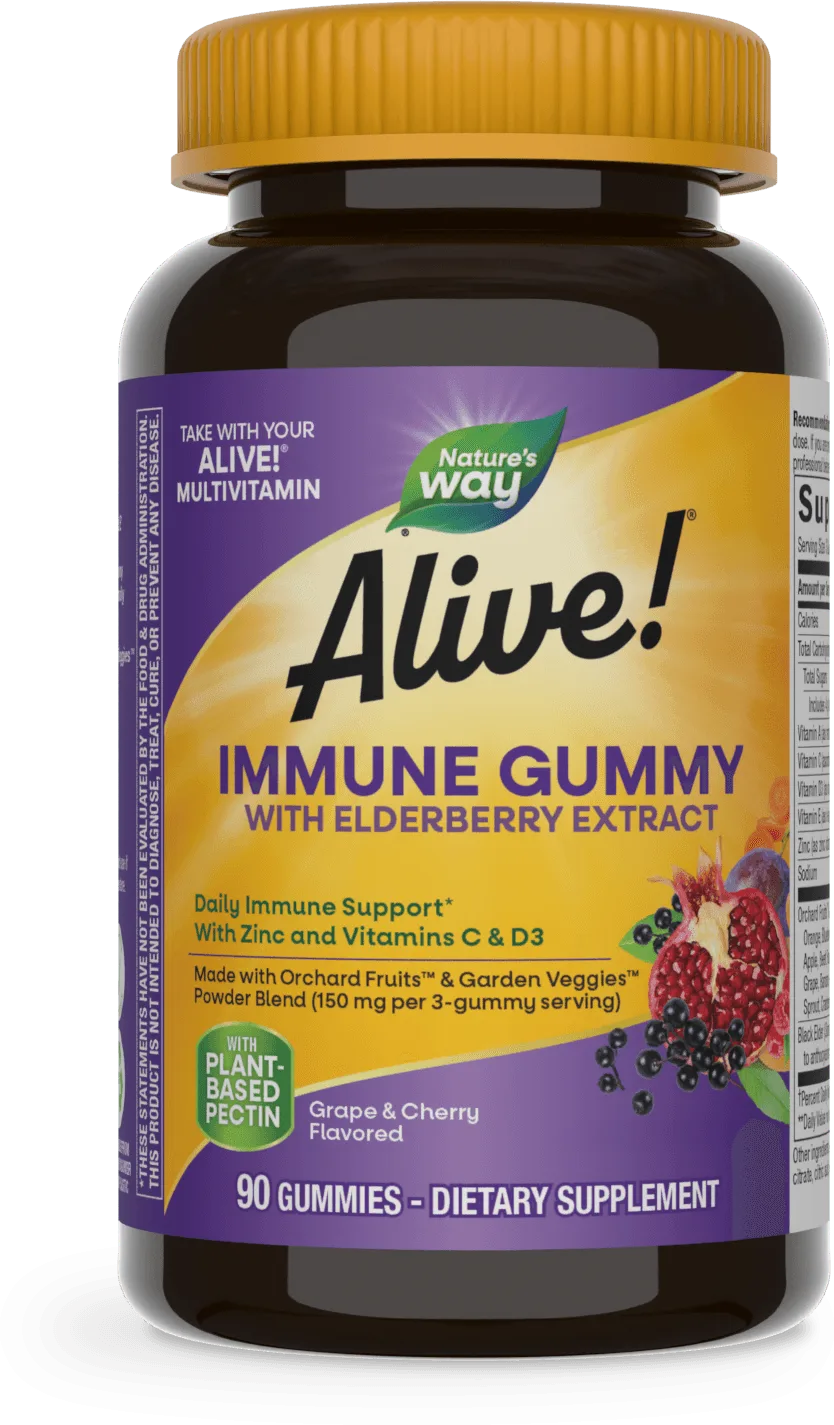
Alive!® Immune Gummy With Elderberry Extract
- Pair nettle with quercetin and vitamin C for enhanced support.
- Use saline rinses to clear nasal passages.
- Check for potential interactions with medications.
Potential Side Effects and Precautions
Nettle is generally well-tolerated, but some people may experience mild stomach upset, diarrhea, or skin irritation. Because nettle can have a diuretic effect, it may interact with blood pressure medications, diuretics, and blood thinners. Pregnant women should avoid nettle, as it may stimulate uterine contractions.
If you're new to nettle, start with a low dose and gradually increase to assess your tolerance. Always choose a high-quality product from a reputable brand, and consult your healthcare provider if you have any concerns or are taking prescription medications.
- Start with a low dose to test tolerance.
- Avoid if pregnant or nursing without medical advice.
- Consult your doctor if you take blood thinners or blood pressure medication.
Nettle leaf offers a natural, time-tested way to support your body during allergy season. Whether you choose tea, tincture, or capsules, incorporating nettle into your daily routine can help you enjoy the outdoors with fewer sniffles. For a convenient and reliable option, consider exploring Nature's Way's range of herbal supplements, including their high-quality nettle products, to find what works best for you.