Quick answer
Use Pizza Oil in three places: brush it on the crust before baking for color and crunch, drizzle it after baking for a fresh herbaceous finish, and use it as a dip or finishing oil at the table. For most home ovens, a light brush before baking and a generous drizzle after gives the best results. Start with a small amount and adjust to taste.
Why Pizza Oil belongs in your pizza routine
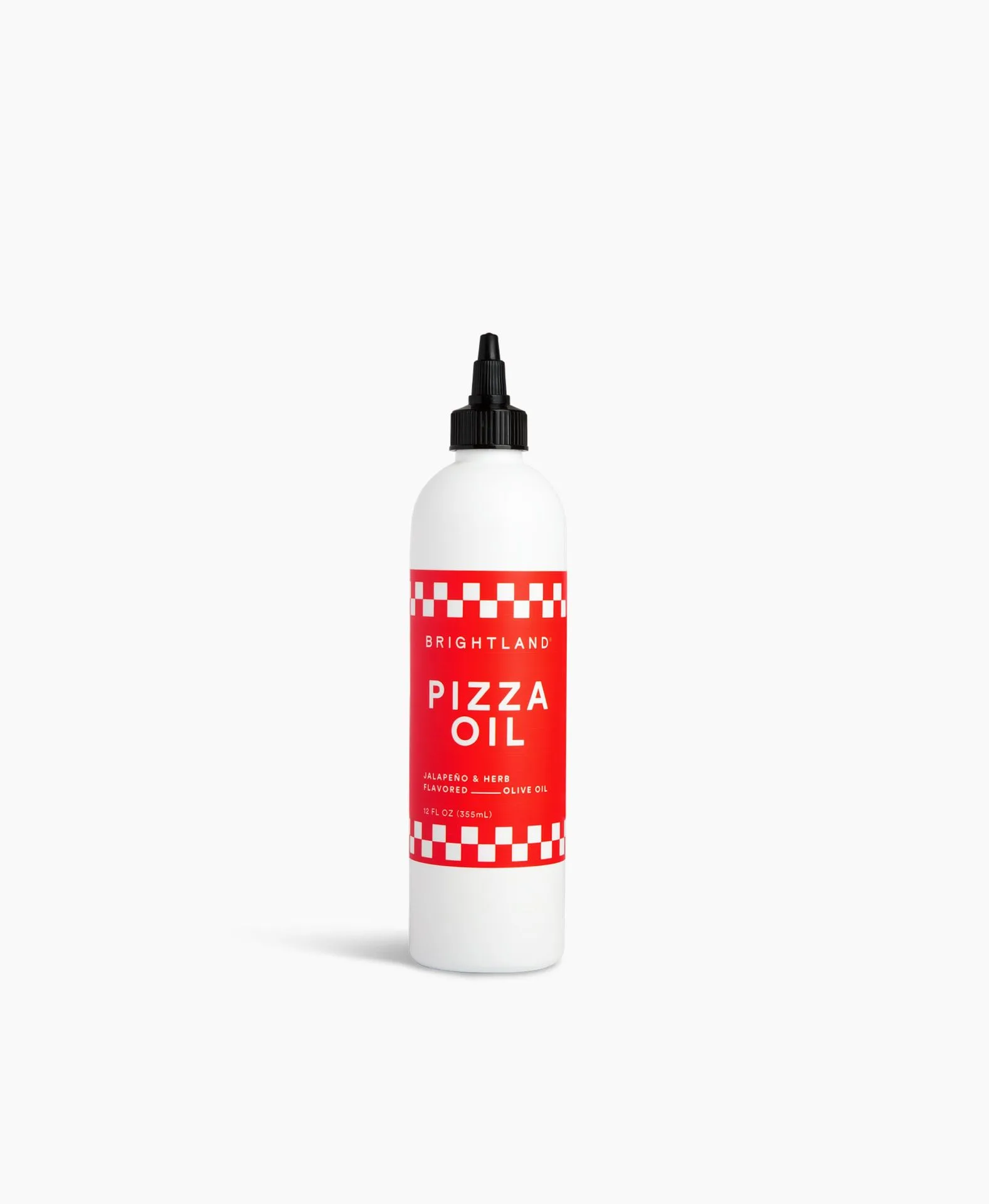
Pizza Oil is made with premium cold-pressed California Extra Virgin Olive Oil and flavored with herbs and spices. That means it brings both a fat base for cooking and a ready-made seasoning. You can use it where you might otherwise use plain olive oil plus dried herbs, which simplifies your process and adds consistent flavor.
Compared to a standard finishing oil, Pizza Oil is designed to stand up to the heat of a home oven while still tasting fresh after baking. It is not a replacement for every olive oil in your kitchen, but it is a practical choice for pizza night.
Step-by-step: using Pizza Oil from dough to table
Follow these steps in order. Each step includes a common mistake to avoid.
Step 1: Prep your dough and oven. Preheat your oven with a pizza stone or steel if you use one. A fully preheated surface gives better crust color. Mistake: putting the pizza into a cold oven or on a cold stone, which leads to a pale, soggy crust.
Step 2: Brush the crust before baking. Lightly brush the outer rim of the dough with Pizza Oil. This helps the crust brown and adds flavor. Mistake: soaking the crust. Too much oil can make the dough greasy and prevent it from crisping. Use a thin, even layer.
Step 3: Bake as usual. Cook your pizza according to your recipe. The oil on the crust will help it develop a golden edge. Mistake: opening the oven too often. Keep the door closed to maintain heat.
Step 4: Drizzle after baking. As soon as the pizza comes out, drizzle a small amount of Pizza Oil over the top. The residual heat will release the herb and spice aromas. Mistake: drizzling before baking if you want a fresh finish. Save some for after.
Step 5: Finish with a final touch at the table. For an extra layer, set the bottle on the table and let guests add more. This is especially good with a simple cheese or margherita pizza. Mistake: skipping the finishing drizzle entirely, which leaves the pizza tasting flat.
When to drizzle and when to brush
Brushing before baking is about structure: it helps the crust crisp and brown. Drizzling after baking is about aroma and flavor: the oil stays fresh and bright. If you only do one, drizzle after baking for the most noticeable impact. If you want a crispier rim, do both but keep the pre-bake brush light.
For a pizza with delicate toppings like fresh basil or arugula, add the finishing drizzle after those toppings go on, so the oil coats them without wilting.
Pizza Oil vs. plain olive oil: what changes
Plain extra virgin olive oil gives you a clean, fruity base. Pizza Oil adds herbs and spices, so you can skip adding dried seasonings to the crust or the finish. That makes it faster and more consistent, especially if you are not measuring herbs.
If you already have a favorite finishing oil, you can still use Pizza Oil as a dedicated pizza oil for crust and finishing. It is not meant to replace every olive oil in your pantry, but it earns its place on pizza night.
Step-by-step pizza oil process
- Preheat your oven and stone: Place a pizza stone or steel in the oven and preheat to your recipe’s temperature. Let it heat fully, usually 30–45 minutes. Checkpoint: the stone should be uniformly hot before the pizza goes in.
- Brush the crust lightly: Use a pastry brush to apply a thin, even layer of Pizza Oil around the outer rim of the dough. Mistake to avoid: pooling oil on the crust, which can make it greasy.
- Bake the pizza: Bake according to your recipe, keeping the oven door closed to maintain heat. Checkpoint: the crust should be golden brown before you remove it.
- Drizzle after baking: Immediately after removing the pizza from the oven, drizzle a small amount of Pizza Oil over the top. Mistake to avoid: skipping this step if you want the full herbaceous aroma.
- Finish at the table: Serve with the bottle so guests can add more Pizza Oil to their slices. Next step: try it on focaccia or flatbread for a similar effect.
Product facts
- Pizza Oil: Hot and herbaceous oil made with premium cold-pressed California Extra Virgin Olive Oil and flavored with herbs and spices to your tastebuds’ delight. This means you get both a cooking fat and seasoning in one bottle, so you can skip adding dried herbs to your pizza.