Quick answer
Use play food to rehearse healthy eating, not to lecture about it. Set out a mix of pretend play food, let your child run a kitchen or market, and narrate balanced choices in plain language. Keep it playful, keep it short, and repeat often. The goal is comfort and familiarity with a variety of foods, not a quiz.
Kids learn food attitudes long before they can explain them. Pretend play food gives them a low-pressure way to handle, name, and choose foods before those foods ever reach a real plate.
This guide walks through seven steps for using play food toys to support healthy eating habits at home. Each step includes a common mistake to watch for, so you can adjust as you go rather than starting over.
Why play food works for healthy eating
Play food benefits come from repetition without pressure. When a child serves carrots to a stuffed animal or rings up a pretend apple at a toy market, they practice food vocabulary and food categories in a setting where nothing is at stake. That familiarity can make real foods less strange later.
The key is that you are modeling, not testing. If your child announces that the toy cookie is dinner, roll with it and add a side. Play food healthy eating lessons work best when they feel like stories, not instructions.
- Aim for short sessions of five to ten minutes rather than one long lesson.
- Let your child lead the scenario; you supply the food language.
Set up a play food station that invites choice
Keep a small basket of pretend play food within reach, ideally near a play kitchen or a low table. Rotate what is in the basket every week or two so the selection stays interesting without becoming clutter.
Include a range of colors and categories: fruits, vegetables, proteins, grains, and a few treats. A mix matters more than a perfect ratio. If every piece is a vegetable, the play becomes a lesson instead of a game.
- Store play food in one open container so kids can self-serve.
- Pair play food with a small tote or basket so it can travel to grandma's house.
Model balanced choices out loud
Narrate your own pretend choices simply: "I'm having eggs and toast and some berries." Keep the language concrete and skip words like superfood or junk. Children copy what they hear, so the phrases you use in play will show up at the table.
When your child builds a plate, describe what you see before adding anything: "You picked pasta, broccoli, and a cookie." Then ask one open question, such as what drink they want. One question keeps the game moving.
- Avoid labeling foods as good or bad; describe them instead.
- If your child rejects a food in play, let it go and revisit it another day.
Use toy animals and figurines as dinner guests
Small animal figurines make natural stand-ins for picky eaters. A River Otter Toy can be the guest who has never tried a pretend pepper, which lets your child play the expert and serve it. That role reversal builds confidence.
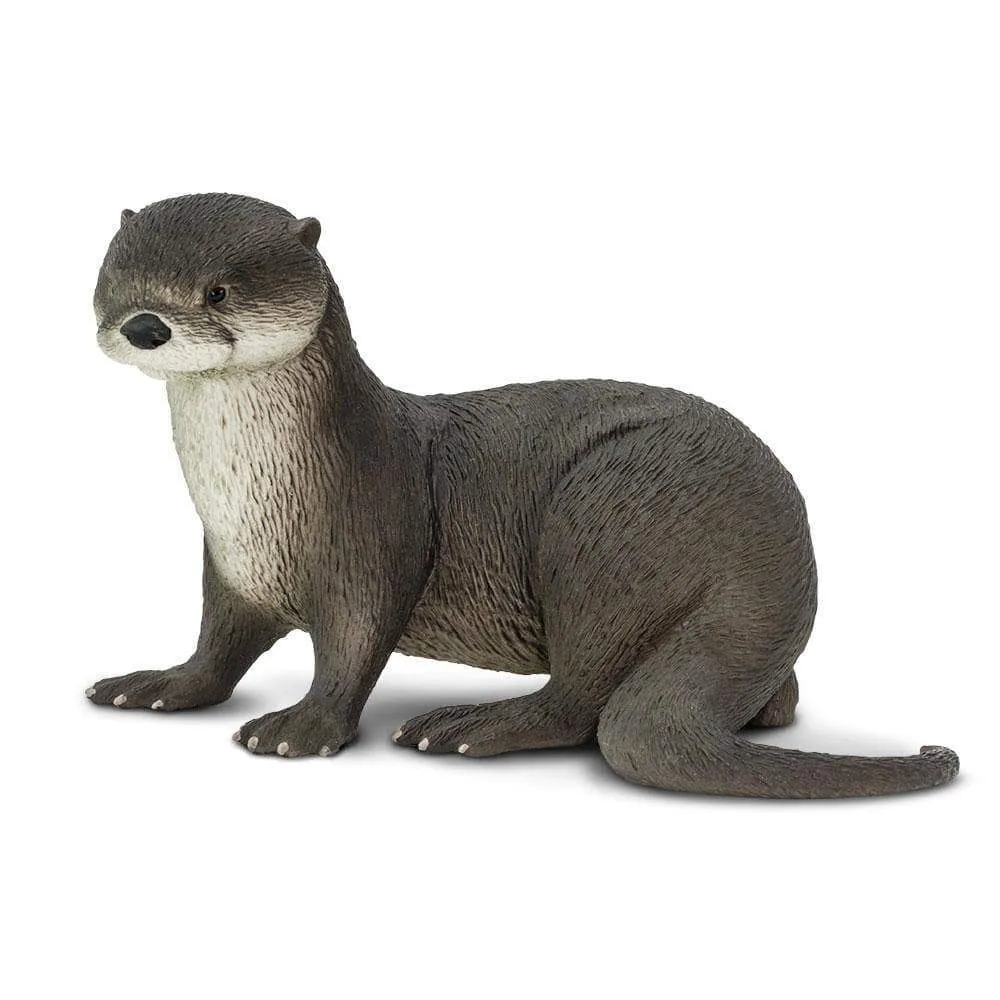
River Otter Toy
You can also use figurines to talk about where food comes from. A Kangaroo with Baby Toy can prompt a conversation about what animals eat, which connects food to the natural world without turning into a nutrition lecture.
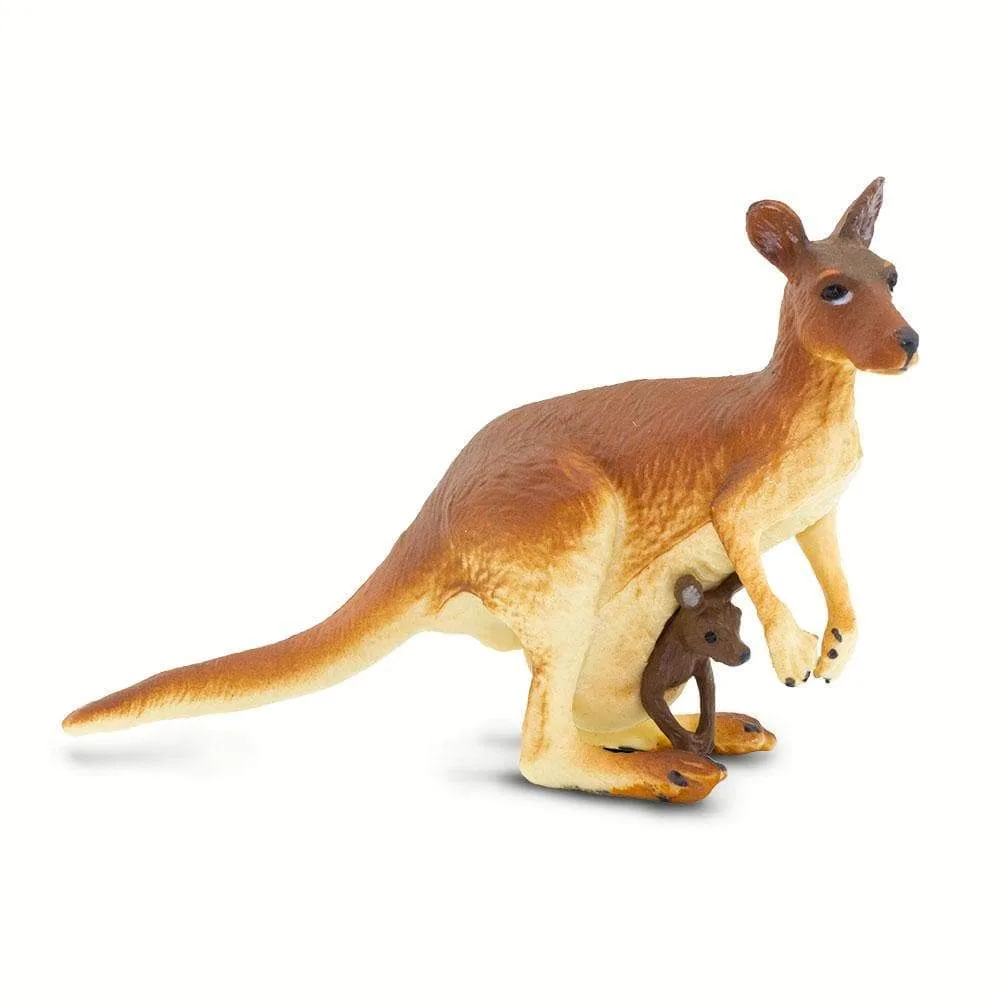
Kangaroo with Baby Toy
- Let your child assign personalities to each animal guest.
- Keep the figurines near the play food so the two toys get used together.
Add a market or restaurant scenario
A pretend market adds choice and negotiation. Your child can be the shopper, the seller, or both. Ask questions like "What should we make with these?" and let them assemble a basket. This is where play food for kids starts to feel like real decision-making.
Restaurant play works similarly. One child takes orders, another cooks. If you have a play kitchen, keep a small notepad nearby so orders can be drawn or scribbled, which adds a literacy layer for older preschoolers.
- Rotate roles so your child gets a turn as the one who chooses.
- Introduce one unfamiliar food into the market each week.
Connect play to the real table
The bridge from play to real eating is small and specific. If your child served pretend broccoli during play, put a single piece of real broccoli on their plate at dinner without comment. No pressure, no praise for trying it.
Repeat the same foods in play and on the plate across several weeks. Familiarity builds slowly, and one exposure rarely changes anything. Track what your child has served in play so you can mirror it later.
- Never require a child to eat a food they served in play.
- Keep portions of new foods tiny, about one bite.
Common mistakes to avoid
The most common mistake is turning play food into a test. If your child feels quizzed about which food is healthier, they will stop playing. Keep the tone curious and let wrong answers slide.
The second mistake is banning treats from the toy bin. Pretend cookies and cake let kids practice moderation in a safe space. Removing them can make real treats more exciting, not less.
- Do not reward eating with play food or take play food away as punishment.
- Skip comments about weight or calories during play.
Seven steps to teach healthy eating with play food
- 1. Start with a mixed basket: Fill one open container with pretend play food across colors and categories, including a few treats. Keep it accessible and rotate contents every week or two. Checkpoint: if your child ignores the basket, move it next to their favorite play area.
- 2. Let your child lead the scenario: Follow their story instead of directing it. If they open a bakery, be the customer. If they run a farm stand, ask what is fresh today. Mistake to avoid: hijacking the game to make a nutrition point.
- 3. Narrate choices in plain language: Describe what you or the characters are choosing without judging it. Use words like crunchy, warm, sweet, or filling rather than healthy or unhealthy. Checkpoint: aim for one or two food descriptions per session, not a running commentary.
- 4. Bring in animal or character guests: Use a figurine such as a River Otter Toy or Kangaroo with Baby Toy as a guest who is trying a new food. Let your child serve them and explain the food. Mistake to avoid: making the guest a stand-in for your child's real eating habits.
- 5. Add a market or restaurant layer: Introduce buying, ordering, or cooking so your child practices choosing from options. Keep a small notepad for orders if they want to write. Checkpoint: offer two or three choices, not an endless menu.
- 6. Mirror one food at the real table: Pick one food your child served in play and put a single small piece on their plate at a meal that week. Say nothing about it. Mistake to avoid: praising or pressuring them to eat it.
- 7. Repeat and rotate: Run short sessions several times a week and swap in one unfamiliar food every week or two. Keep the tone light and stop while it is still fun. Next step: note which foods your child serves most often, then offer those at meals first.
Toy picks that support food-themed play
- River Otter Toy: A semiaquatic mammal mainly endemic to North America, the river otter is a close relative of the weasel, sharing many of the same habits and physical characteristics. Use it as a dinner guest figurine when you want to talk about what animals eat and where food comes from.
- Kangaroo with Baby Toy: Some kangaroo infants stay in their mother's pouch for up to 200 days and may return until they are strong enough to survive without help. A gentle way to introduce the idea that young animals depend on adults for food, which parallels family meals.
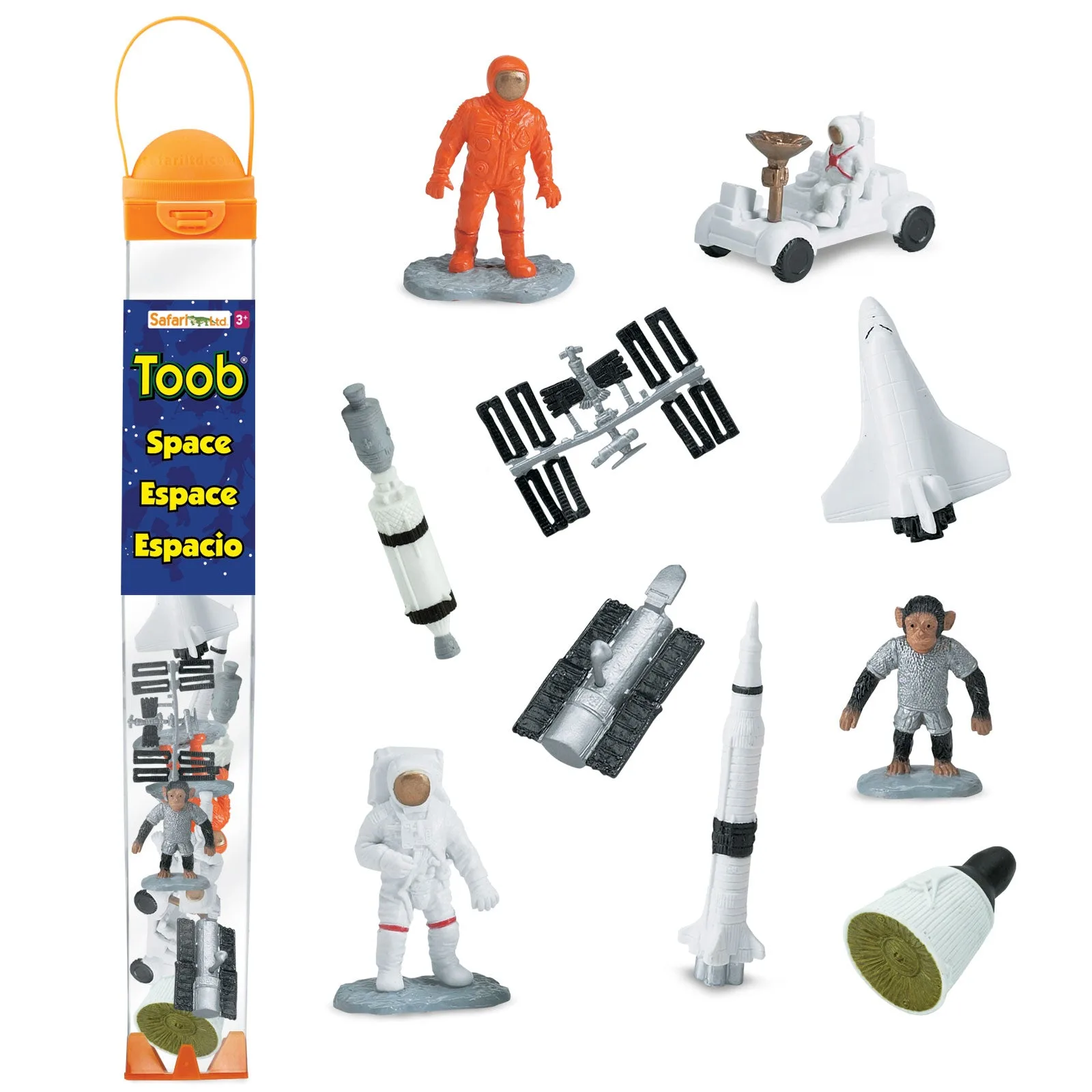
- Space TOOB®: This set includes 2 astronauts, Private Ham (the First Space Chimp), a Saturn V Rocket, Gemini Capsule, Apollo Spacecraft, Lunar Rover, a Space Shuttle, Hubble Space Telescope, and a satellite. Astronaut figurines can be pretend diners who need balanced meals in space, adding a novel scenario to play food sessions.
Play food will not change what your child eats overnight, and it is not meant to. Used as a relaxed, repeated game, it builds comfort with a range of foods and gives you a shared language for meals. Start with one basket, one scenario, and one small bridge to the real table this week.