Quick Answer
The Sea Life Scissor Skills Activity Pad is a practical tool for building fine motor skills through guided cutting practice. Start with straight lines, then progress to curves and shapes, using the ocean-themed pages to keep kids engaged. Pair it with other fine motor toys like Lacing Beads for a well-rounded approach.
Lacing Beads
Scissor skills are a cornerstone of preschool fine motor development, and the Sea Life Scissor Skills Activity Pad turns cutting practice into an underwater adventure. With ocean-themed pages, this pad helps kids build hand strength, coordination, and pre-writing skills—all while having fun.
Whether your child is just starting with scissors or needs extra practice, this guide walks you through a step-by-step process to get the most out of the pad. You'll also learn how to pair it with other Melissa & Doug toys to reinforce fine motor skills.
Why Scissor Skills Matter for Preschoolers
Scissor skills are more than just cutting paper—they build the same hand muscles and coordination needed for writing, buttoning, and other daily tasks. For preschoolers, mastering scissors supports fine motor skills, hand-eye coordination, and bilateral coordination (using both hands together).
The Sea Life Scissor Skills Activity Pad is designed to make this practice enjoyable. Its ocean theme—featuring fish, crabs, and waves—keeps kids motivated while they work on cutting lines, curves, and shapes. Each page offers a new challenge, helping children progress at their own pace.
- Start with safety scissors designed for small hands.
- Encourage proper grip: thumb in the small hole, fingers in the larger hole.
- Praise effort, not just accuracy, to build confidence.
Getting Started: Setup and Safety
Before you begin, set up a comfortable workspace. A table at your child's elbow height works best, with a chair that lets their feet rest flat. This stable position helps them focus on cutting rather than balancing.
Show your child how to hold the scissors correctly and how to open and close them smoothly. Demonstrate cutting along a straight line, then let them try. Always supervise, especially with younger children, and store scissors out of reach when not in use.
- Use a tray or mat to catch paper scraps for easy cleanup.
- If your child is left-handed, look for left-handed scissors to make cutting easier.
- Have a spare pair of scissors in case one gets dropped or dull.
Building Skills with the Pad: A Step-by-Step Approach
The Sea Life Scissor Skills Activity Pad includes pages with different cutting patterns, from simple straight lines to more complex shapes. Start with the easiest pages and gradually move to harder ones as your child's confidence grows.
Begin with straight lines, then progress to zigzags and curves. After that, try cutting out simple shapes like circles and squares. The ocean theme makes each page feel like a game, so kids are eager to complete them.
- Let your child choose which page to cut first—choice boosts engagement.
- If a page is too hard, fold it along the line to create a ridge for guidance.
- Celebrate each completed page with a sticker or high-five.
Step-by-Step Guide to Using the Sea Life Scissor Skills Pad
- Prepare the workspace and scissors: Set up a table and chair at the right height, and provide child-safe scissors. Show your child how to hold them correctly. Checkpoint: Your child can open and close the scissors smoothly before starting.
- Start with straight lines: Choose a page with simple straight lines. Guide your child to cut along the line, keeping the scissors open and closing them as they move forward. Common mistake: Cutting too fast. Encourage slow, steady movements.
- Progress to curves and zigzags: Move to pages with curves or zigzag patterns. These require more control and turning the paper, not just the scissors. Checkpoint: If your child struggles, go back to straight lines for more practice.
- Cut out shapes: Try pages with circles, squares, or ocean animals. Cutting out shapes helps with precision and spatial awareness. Common mistake: Ripping the paper. Remind your child to open the scissors fully before each cut.
- Incorporate pre-writing practice: After cutting, have your child trace the cut-out shapes or draw their own sea creatures. This connects scissor skills to writing readiness. Checkpoint: Your child can hold a crayon or pencil with a tripod grip for drawing.
- Reinforce with complementary toys: Use Lacing Beads or the Fishing & Bug Catching Magnetic Game Bundle on alternate days to keep fine motor practice varied and fun. Verdict: A balanced routine builds strong fine motor skills without burnout.
Pair with These Fine Motor Toys
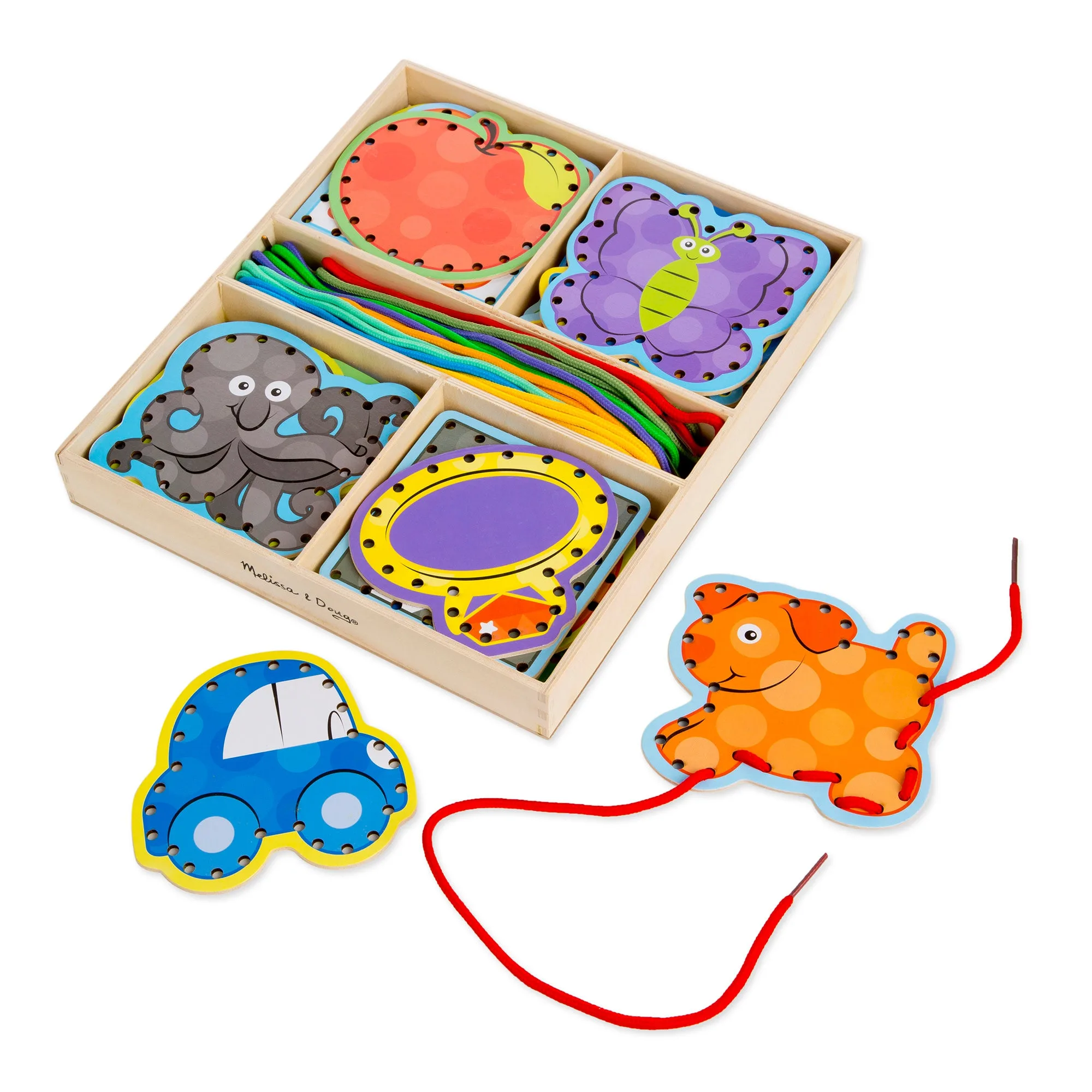
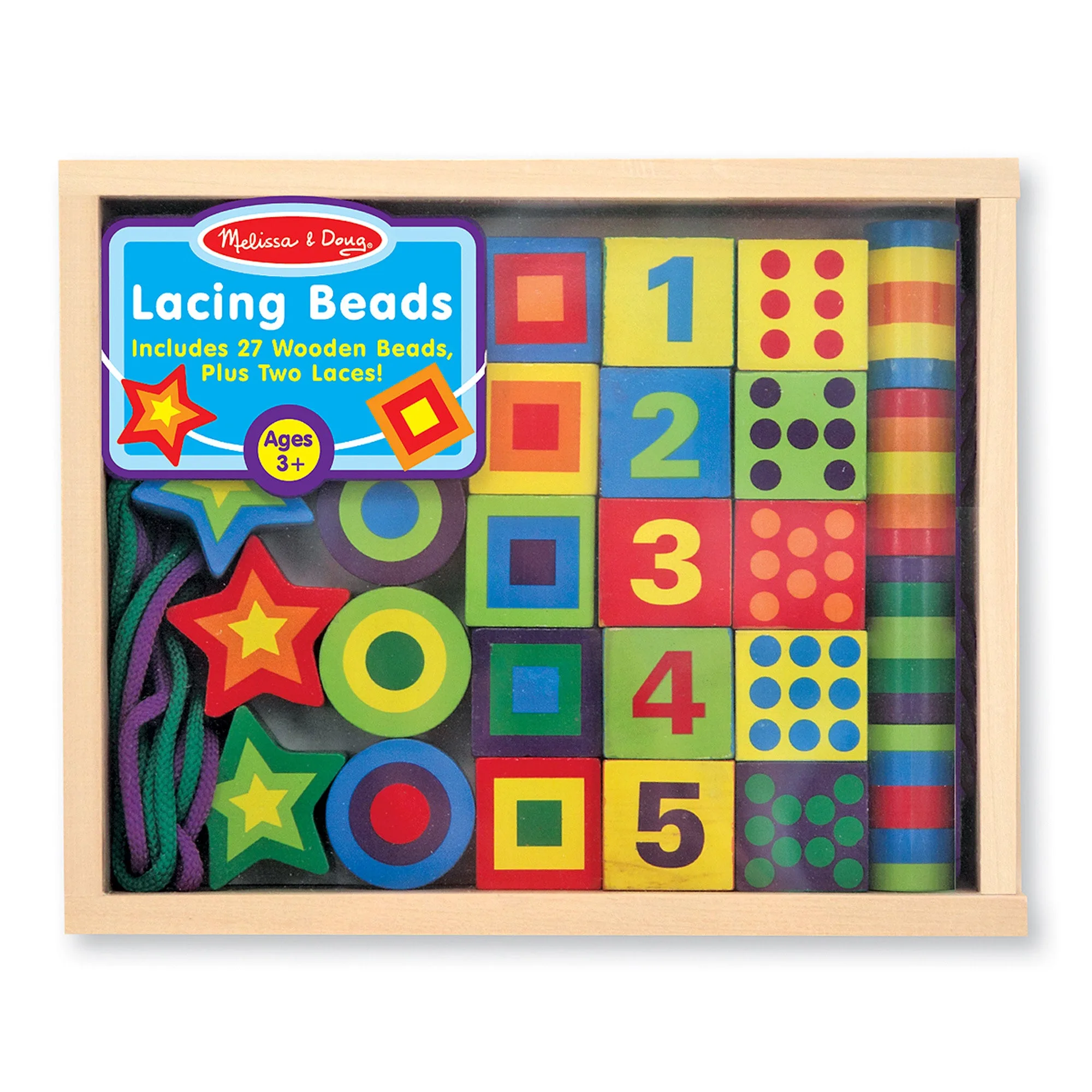
- Lacing Beads: The Melissa & Doug Lacing Beads set features 27 hand-painted wooden beads with numbers one to ten, plus two extra-long laces, designed for little hands to grasp and string. Stringing beads builds the same fine motor muscles as cutting, making it a perfect companion activity to reinforce hand-eye coordination and pre-writing skills.
- Fishing & Bug Catching Magnetic Game Bundle: This bundle includes two wooden puzzle boards with 10 magnetic pieces each and magnetic wands to catch wooden bugs and fish. Using the magnetic wand improves grip and control, complementing scissor practice and adding variety to fine motor skill development.
The Sea Life Scissor Skills Activity Pad is a simple, effective way to build fine motor skills and pre-writing abilities in preschoolers. By following these steps and pairing the pad with other fine motor toys, you'll give your child a strong foundation for school readiness—all while having fun with ocean friends.