Quick Answer
Use silicone kitchen utensils for baking to protect nonstick surfaces, mix evenly, and simplify cleanup—just check heat limits and avoid sharp tools.
Why Silicone Works for Baking
Silicone utensils are flexible, nonstick, and heat-resistant, making them ideal for stirring, folding, and scraping batter without scratching your pans. Unlike metal or wood, they don't absorb odors or harbor bacteria, and they're easy to clean.
The main trade-off is heat tolerance: most silicone utensils handle up to about 400°F, but not all are created equal. Always check the manufacturer's rating before using them near direct heat or leaving them in a hot pan.
Choosing the Right Tool for the Task
A silicone spatula is perfect for folding egg whites, scraping bowls clean, and spreading frosting. A silicone mixing spoon works well for thicker batters and doughs, offering a firm yet flexible edge.
For baking, avoid silicone tools with wooden or plastic handles that may not be oven-safe, and skip metal cores if you plan to leave the utensil in a hot pan.
Step-by-Step: Baking with Silicone Utensils
- Check heat limits: Before baking, confirm your silicone utensil's maximum temperature rating on the packaging or label. Most are safe to 400°F, but if you're using it near a hot oven or stovetop, keep it away from direct flames. If the rating isn't listed, don't use it for hot tasks—stick to mixing at room temperature.
- Use the right tool for mixing: For thick cookie dough or brownie batter, use a silicone mixing spoon with a sturdy handle. For delicate tasks like folding egg whites, switch to a flexible spatula and use a gentle cutting motion. Avoid overmixing—stop as soon as ingredients are combined to keep baked goods tender.
- Scrape bowls clean: After pouring batter into your pan, use a silicone spatula to scrape the sides and bottom of the bowl. The flexible edge gets every last bit, reducing waste and keeping your bowls cleaner. Do this immediately—dried batter is harder to remove and can stain light-colored silicone.
- Avoid sharp tools: Never use metal knives, forks, or whisks with silicone utensils—they can cut or tear the surface. Stick to silicone, wood, or plastic tools for stirring and scraping. Inspect your utensils regularly for nicks or tears; replace them if damaged.
- Clean properly: Wash silicone utensils with warm soapy water or place them on the top rack of the dishwasher. Avoid abrasive scrubbers that can dull the surface. Dry completely before storing to prevent mildew. If your utensil has a wooden handle, hand-wash only to protect the wood.
Product Spotlight
-
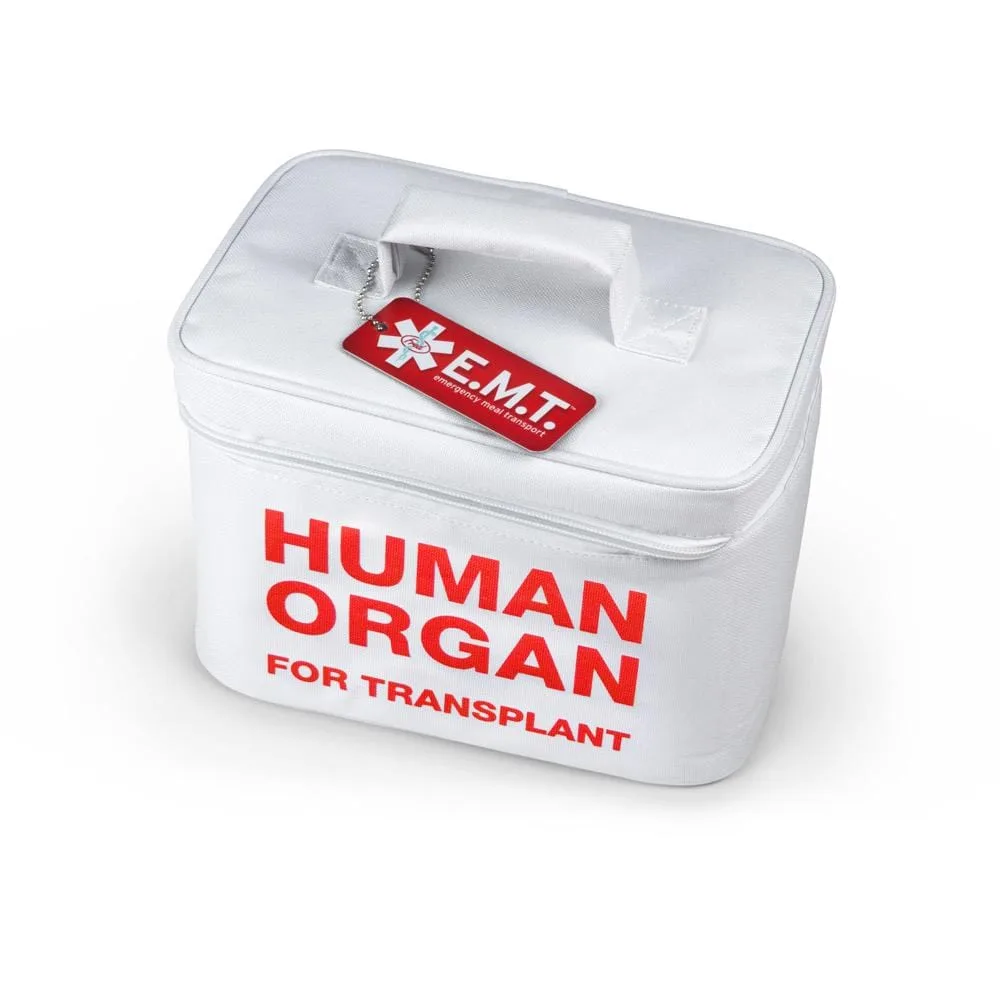
E.M.T.: Fred's E.M.T. insulated tote keeps food chilled and prepped, with a foam-insulated waterproof lining and a mesh interior pouch. After baking, use this tote to transport your treats (or a sandwich) while keeping them at the right temperature—ideal for picnics or potlucks.
E.M.T.