Quick answer
To use tea in cooking, start by brewing a strong concentrate or grinding dry leaves into a powder, then incorporate it into marinades, sauces, baked goods, or even savory dishes. Match the tea's flavor profile to your ingredients—like using smoky black tea with meats or floral herbal teas with fruit desserts.
Tea is more than a comforting beverage. Its leaves and brews can add depth, aroma, and complexity to your cooking, transforming everything from a simple marinade to a delicate cake. Whether you're using loose leaf or tea bags, tea offers a versatile pantry ingredient that goes beyond the cup.
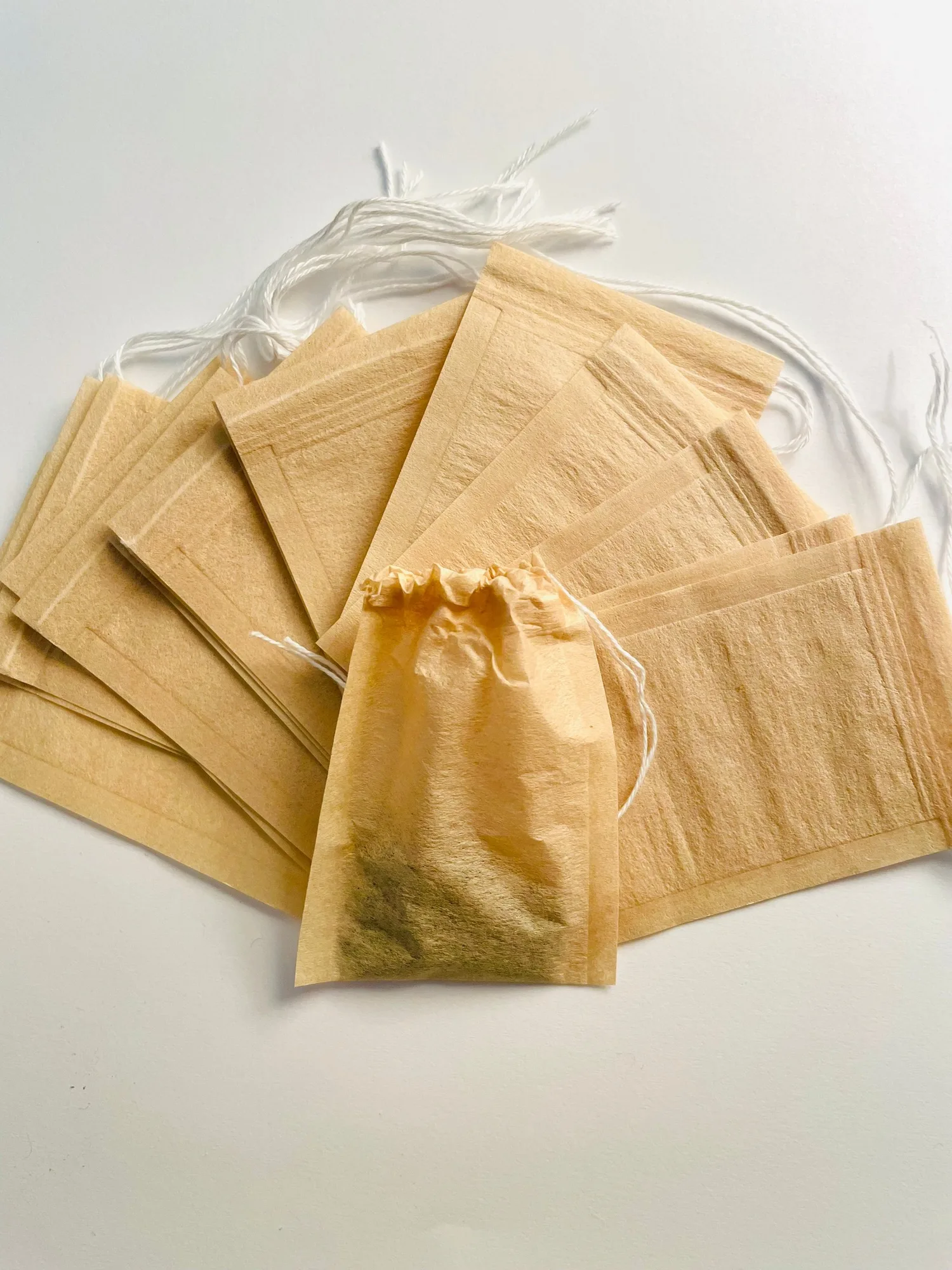
tea bags
In this guide, we'll explore practical ways to cook with tea, including brewing techniques, flavor pairings, and step-by-step methods to incorporate tea into your dishes. We'll also highlight specific teas that work well in cooking, so you can start experimenting with confidence.
Why Cook with Tea?
Tea brings unique flavors that can't be replicated by other ingredients. Black teas offer malty, bold notes that pair well with meats and chocolate. Green teas provide a grassy, vegetal taste that suits seafood and light dishes. Herbal teas, such as hibiscus or chamomile, add fruitiness or floral hints to both sweet and savory recipes.
Beyond flavor, tea can also tenderize meat (thanks to tannins), add moisture to baked goods, and provide natural color. Using tea in cooking is an easy way to reduce salt or sugar while boosting complexity, making it a smart choice for health-conscious cooks.
- Experiment with a tea you already enjoy drinking—it will likely pair well in food.
- Start with a small amount and adjust to taste, as tea can become bitter if overused.
Choosing the Right Tea for Your Dish
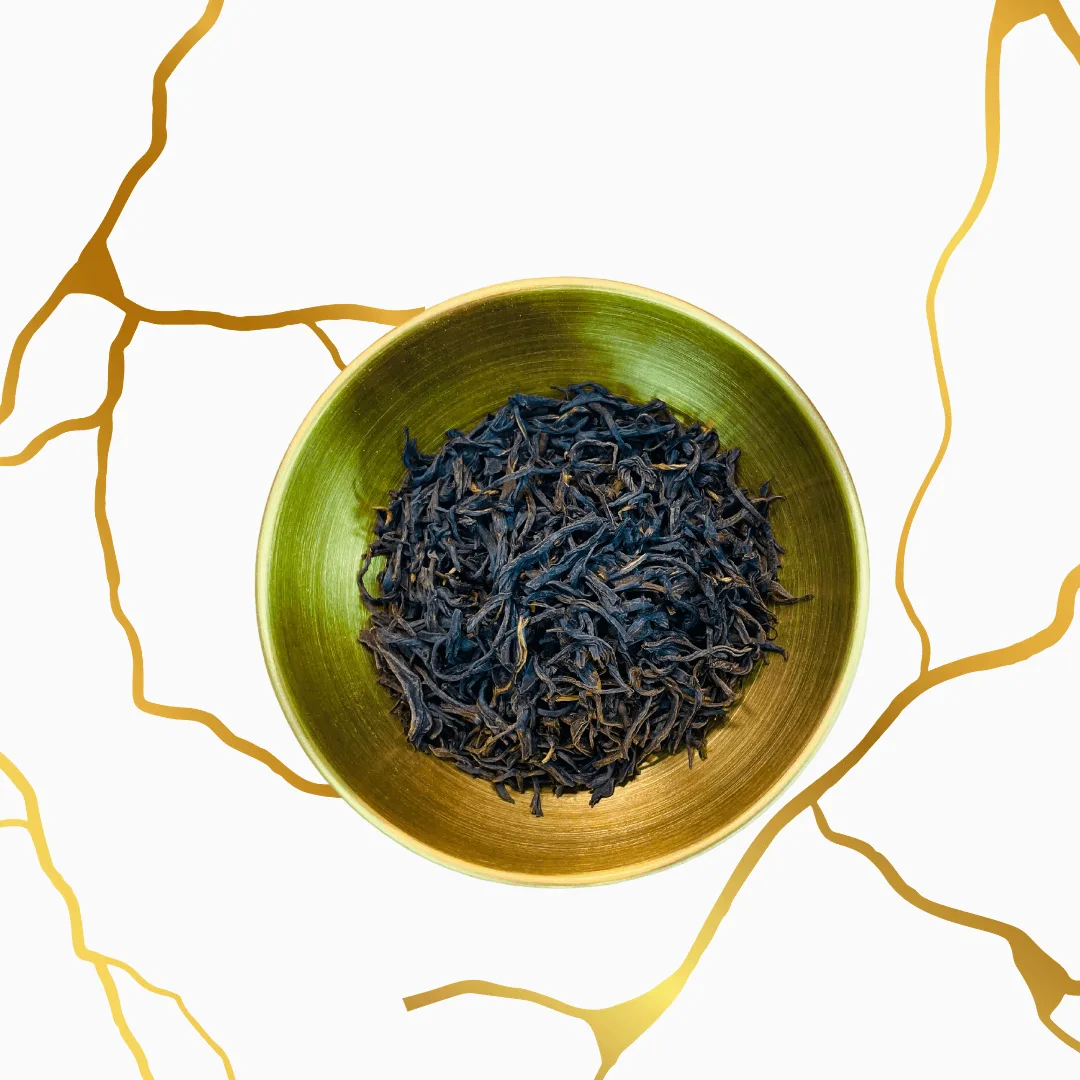
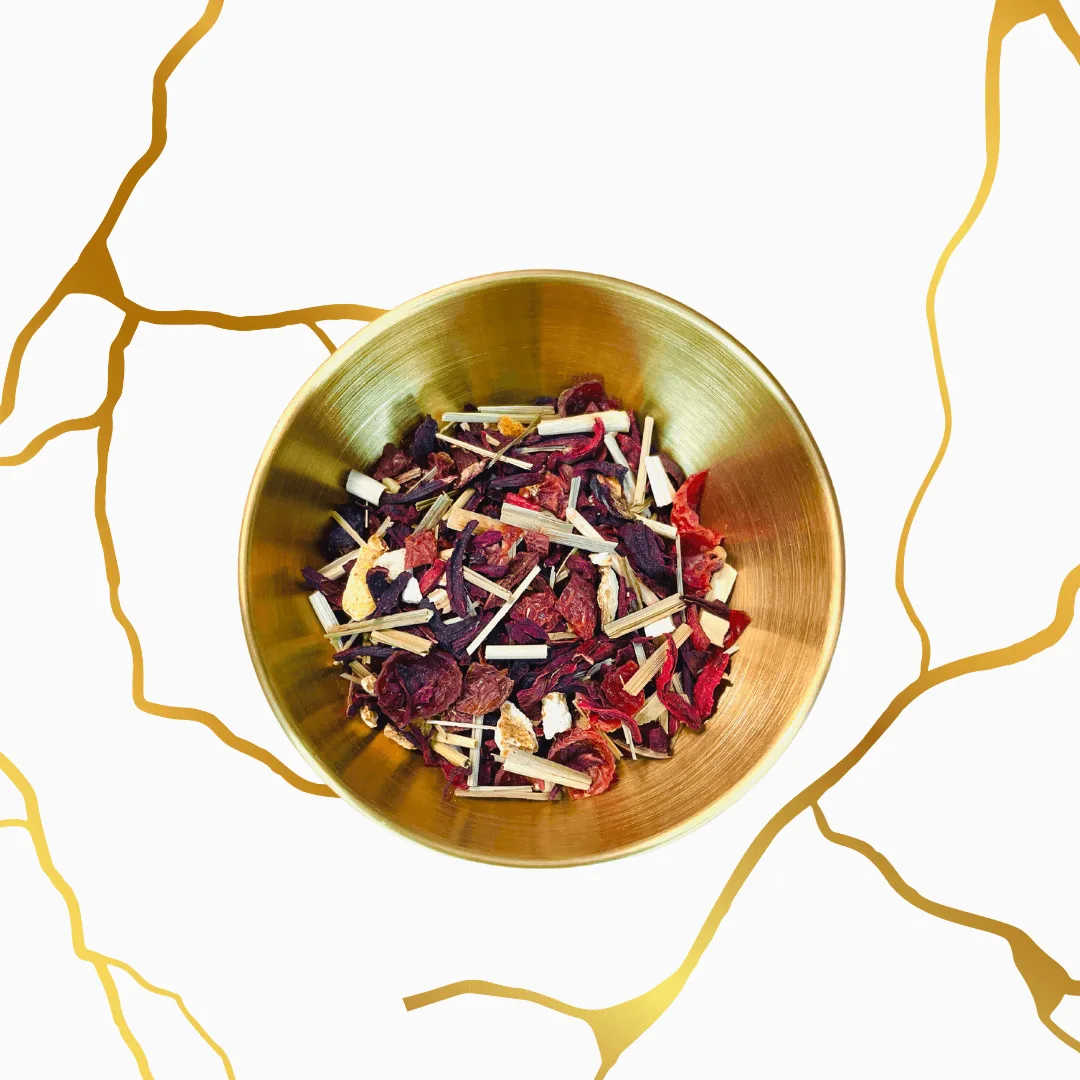
Not all teas are created equal in the kitchen. Black teas like Golden Monkey have a robust, cocoa-like flavor with honey notes, making them excellent for marinades and rich desserts. Herbal teas, such as hibiscus, offer tartness that brightens sauces and dressings. Consider the flavor profile you want to achieve and select a tea that complements, not overwhelms, your ingredients.
When using tea bags, you can easily steep them directly in liquids. For loose leaf, you may want to grind the leaves into a fine powder for dry rubs or baking. Remember that tea leaves are not as fine as matcha, so grinding may require a spice grinder or mortar and pestle.
- For savory dishes, opt for bold black teas or smoky blends.
- For desserts, try fruity herbal teas or delicate green teas.
Brewing Tea for Cooking
To cook with tea, you often need a stronger brew than you'd drink. Use double the amount of tea leaves or bags per cup of water, and steep longer—but be careful not to over-steep, which can cause bitterness. A general rule is to steep for 5–7 minutes for a concentrate, then strain or remove bags.
You can also infuse tea directly into liquids like milk, cream, or broth by heating them with tea and straining later. This method is perfect for custards, ice cream, or sauces. For dry applications, grind the leaves to a powder and use sparingly, as the flavor concentrates.
- Always taste your brewed tea concentrate before adding it to a dish.
- If a recipe calls for water or broth, substitute with tea for an instant flavor boost.
Steps to Cook with Tea
- Step 1: Choose Your Tea: Decide on the flavor profile you want. For savory dishes, pick a bold black tea like Golden Monkey. For sweet or fruity dishes, try hibiscus or raspberry leaf. Checkpoint: Does the tea's flavor complement your main ingredients?
- Step 2: Brew a Strong Concentrate: Use 2 teaspoons of loose tea or 2 tea bags per cup of hot water. Steep for 5–7 minutes, then strain. This concentrate can be used in marinades, sauces, or baking liquids. Checkpoint: Taste the concentrate—it should be robust but not bitter.
- Step 3: Incorporate into Your Recipe: Use the concentrate to replace part of the liquid in your dish, or brush it onto meats as a glaze. For baking, replace water or milk with tea. For dry rubs, grind tea leaves into a powder and mix with spices. Checkpoint: Start with a small amount and adjust—tea flavor intensifies as it cooks.
Teas to Try in Your Cooking
- Golden Monkey Black TGFOP Tea (Organic): A famous high quality black tea. It embodies a cocoa taste and a honey peach note. Has a rich, smooth and creamy texture. Its cocoa and honey notes make it perfect for marinades for red meat or as a liquid in chocolate desserts, adding depth without extra sugar.
- Hibiscus Tea (Organic): A fruity and tart herbal tea that refreshes the body, soul and spirit. Enjoy Hot or Cold. The tartness of hibiscus can brighten salad dressings, fruit compotes, or even glaze for roasted poultry, offering a vibrant color and tangy flavor.
Cooking with tea opens up a world of flavor possibilities. By understanding how to brew and match teas, you can create memorable dishes that surprise and delight. Start with a simple recipe, like a tea-infused marinade or a tea-soaked cake, and soon you'll be experimenting with confidence. Remember, the best tea for cooking is one you love to drink—so explore and enjoy.