Treats are one of the most powerful tools in dog training. They provide immediate feedback, motivate your pup, and strengthen the bond between you and your furry friend. But using treats effectively is more than just handing over a snack—it's about timing, selection, and technique. In this guide, we'll walk you through the essentials of treat-based training, so you can get the best results while keeping your dog happy and engaged.
Whether you're teaching basic obedience or tackling tricky behaviors, treats can make the process smoother and more enjoyable for both of you. We'll cover everything from choosing the right treats to mastering the art of timing, plus common mistakes to avoid. By the end, you'll have a solid foundation to start or refine your training sessions.
Why Treats Work in Dog Training
Treats are a form of positive reinforcement, a method that rewards desired behaviors to encourage their repetition. When your dog performs a command and receives a tasty reward, their brain releases dopamine, making them feel good and more likely to repeat the behavior. This is not just about food—it's about creating a positive association with learning.
Positive reinforcement is widely recommended by veterinarians and professional trainers because it builds trust and reduces fear. Unlike punishment-based methods, it doesn't cause stress or anxiety, which can lead to behavioral issues. Treats are especially effective because most dogs are highly food-motivated, making them eager to participate in training sessions.
- Treats create a positive learning environment.
- They strengthen the bond between you and your dog.
- Food motivation makes training faster and more reliable.
Choosing the Right Training Treats
Not all treats are created equal when it comes to training. You want something small, soft, and highly appealing to your dog. Small treats allow for quick consumption and more repetitions per session, while soft treats are easier to chew and don't require long pauses. High-value treats—like real meat or cheese—are perfect for distracting environments or teaching new behaviors.
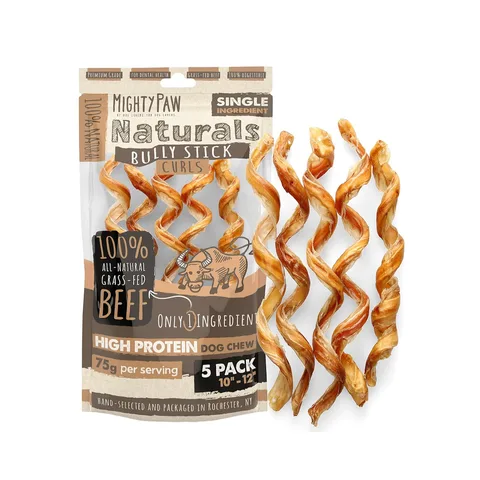
For everyday training, consider options like the All-Natural Bully Stick Curls or All-Natural Yak Cheese Dog Chews. Bully sticks are protein-rich and long-lasting, making them great for extended sessions, while yak cheese chews are hard and durable, ideal for chewing and mental stimulation. These treats are not only delicious but also provide health benefits, supporting dental health and providing essential nutrients.
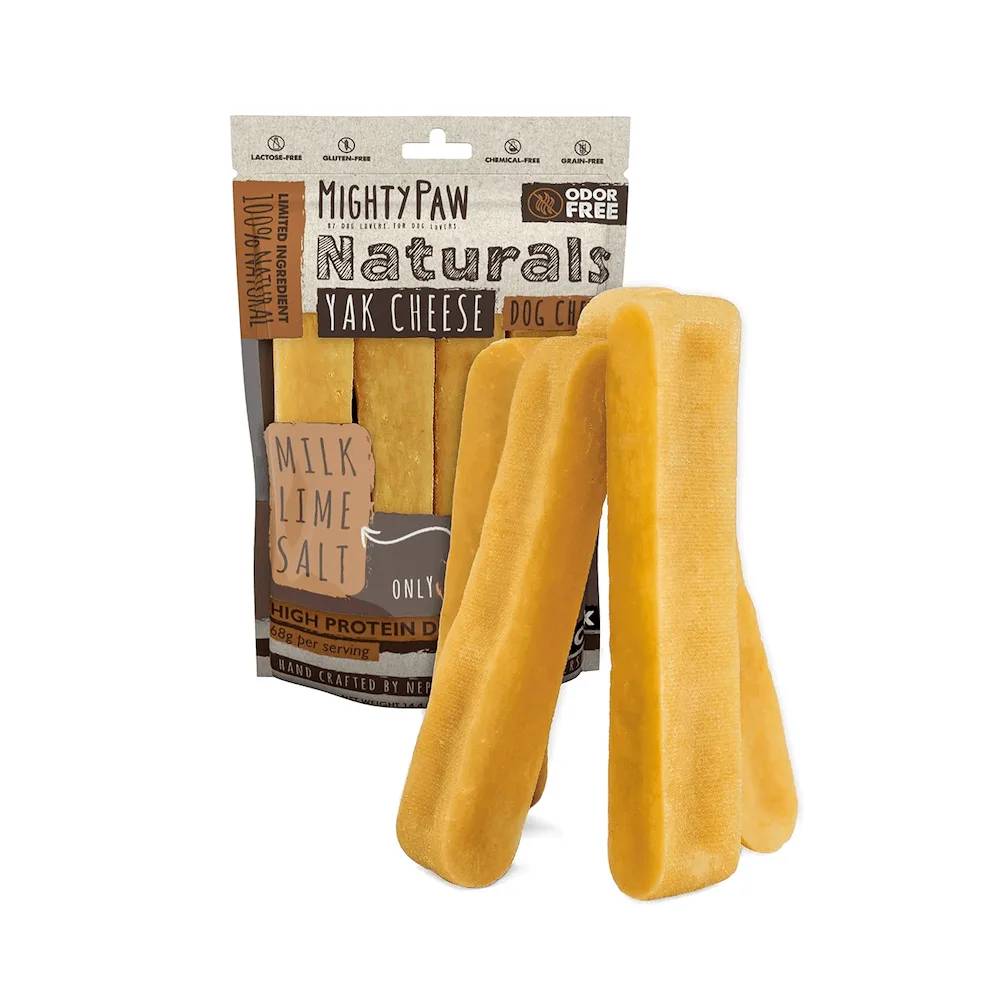
All-Natural Yak Cheese Dog Chews
- Choose treats that are small, soft, and high-value.
- Use different treats for different training scenarios.
- Consider your dog's dietary needs and preferences.
Mastering Treat Timing and Delivery
Timing is everything in treat training. The treat should be delivered within one second of the desired behavior, so your dog makes the correct association. If you wait too long, they might connect the reward with something else. For example, if you say 'sit' and your dog sits, mark the moment with a clicker or a word like 'yes' and then give the treat immediately.
The way you deliver the treat matters too. Hold it at dog's nose level to guide them into position, and reward them in the position you want. For instance, if you're teaching 'down', lure them into a lying position and give the treat while they're still down. This reinforces the exact behavior you're looking for.
- Mark the behavior with a clicker or verbal cue.
- Deliver the treat within one second.
- Reward in the desired position to reinforce correct form.
Techniques for Effective Treat Training
Luring is one of the simplest techniques: use a treat to guide your dog into the desired position. For 'sit', hold the treat above their nose and move it back over their head—they'll naturally sit. For 'down', lower the treat to the ground. Once they're in position, give the treat and praise.
Another technique is capturing, where you reward spontaneous behaviors you like. If your dog sits on their own, say 'yes' and give a treat. This encourages them to repeat the behavior without a cue. Shaping is more advanced: you reward small steps toward a final behavior. For example, to teach 'roll over', reward each incremental movement until they complete the full roll.
- Luring: guide your dog into position with a treat.
- Capturing: reward natural behaviors you want to encourage.
- Shaping: break down complex behaviors into small steps.
Common Mistakes to Avoid
One common mistake is using treats that are too large, which can cause your dog to become full quickly and lose interest. Another is inconsistent timing—if you're not quick with the reward, your dog may get confused. Also, avoid using treats as a bribe rather than a reward: always ask for the behavior first, then treat.
Finally, don't rely on treats forever. Once your dog has mastered a behavior, gradually phase out treats by using them intermittently. This is called variable reinforcement, and it actually makes the behavior more durable. You can also replace treats with praise or play to keep things interesting.
- Use small treats to keep your dog motivated.
- Be consistent with timing and cues.
- Gradually reduce treat frequency to maintain the behavior.
Treat training is a rewarding journey that enhances your bond with your dog while teaching essential skills. By choosing the right treats, mastering timing, and using proven techniques, you'll set both of you up for success. Start with high-quality options like All-Natural Bully Stick Curls or All-Natural Yak Cheese Dog Chews to make training sessions even more enjoyable. Happy training!