Quick Answer
To use a wireless remote for self-portraits, mount your camera on a tripod, compose the shot with autofocus, then trigger the shutter from the remote while staying within range. Choose a remote that matches your camera brand for reliable Bluetooth connection.
Why a wireless remote beats a self-timer
A self-timer forces you to run into frame and hope the timing works. A wireless remote lets you trigger the shutter exactly when you're ready, so you can adjust your pose or expression without rushing. It also keeps you behind the camera for focusing and framing, which is especially useful for group shots or creative angles.
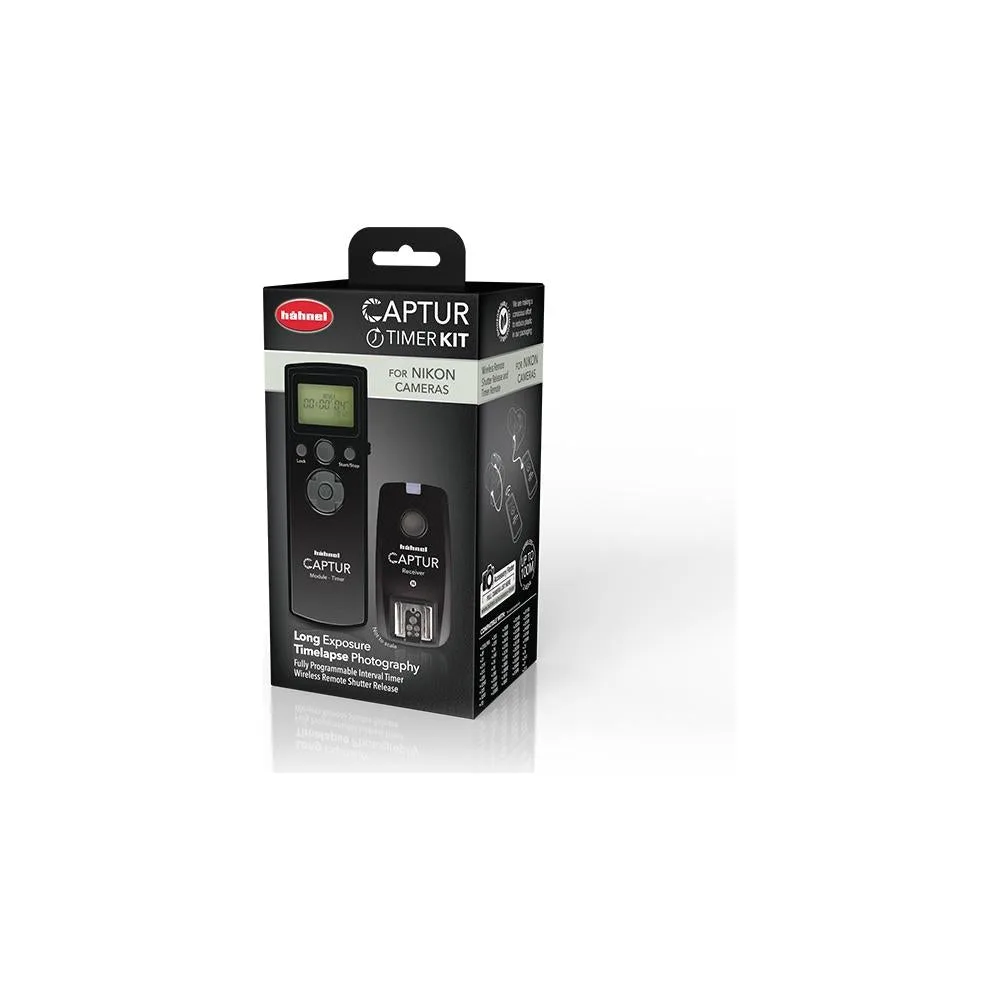
Bluetooth remotes like the SmallRig 3902 and Sony RMT-VP2 offer up to 10 metres of range, giving you freedom to move around the scene. For long exposures or time-lapses, a remote with a timer function, such as the Hahnel Captur, lets you set intervals and durations without touching the camera.
Choosing the right remote for your camera
Not every remote works with every camera. Check compatibility before buying: the SmallRig 3902 supports select Sony, Canon, and Nikon models, while the Sony RMT-VP2 is designed for Sony cameras. The Hahnel Captur Remote Timer Kit is specifically for Nikon, and it includes N1, N2, and N3 cables for wired mode as a backup.
If you plan to shoot long exposures or time-lapses, a remote with a timer module gives you more control. If you only need a simple shutter trigger, a basic wireless remote is lighter and easier to carry.
Step-by-step: Using your wireless remote for self-portraits
- Set up your camera on a tripod: Position the camera at your desired angle and height. Frame the shot with a placeholder subject (like a bag or a friend) to lock focus and composition. Use a tripod to avoid camera shake and keep the frame steady.
- Pair the remote with your camera: Follow the remote's instructions to pair via Bluetooth. For Sony RMT-VP2, press the pairing button on the remote and the camera's menu; for SmallRig 3902, use the camera's wireless settings. Check the remote's indicator light to confirm connection. Test the remote shutter before you step into the frame.
- Set focus and exposure: Use autofocus on your subject, or switch to manual focus and set it once. Adjust exposure settings (aperture, shutter, ISO) based on your lighting. For self-portraits, a remote with AF-ON (like Sony RMT-VP2) lets you refocus without walking back to the camera. Lock exposure and focus to avoid surprises when you trigger the shutter.
- Compose yourself in the frame: Step into the shot and check your position using the camera's live view or a smartphone app if available. Hold the remote in your hand, press the shutter button when you're ready. For video, use the remote's start/stop button. Practice your pose and trigger timing to get natural results.
- Review and adjust: After each shot, check the image on the camera screen. If the focus is off, refocus using the remote's AF-ON or manual focus. For time-lapses, use a timer remote (like Hahnel Captur) to set intervals and duration. Don't be afraid to retake—remote shooting makes it easy to iterate.
Products that help
-
SmallRig 3902 Wireless Remote Controller for Select Sony, Canon & Nikon Cameras: The SmallRig 3902 Wireless Remote Controller uses Bluetooth with up to 10 metres range and works with select Sony, Canon, and Nikon cameras. It's a budget-friendly option for triggering photos and video from a distance without cables.
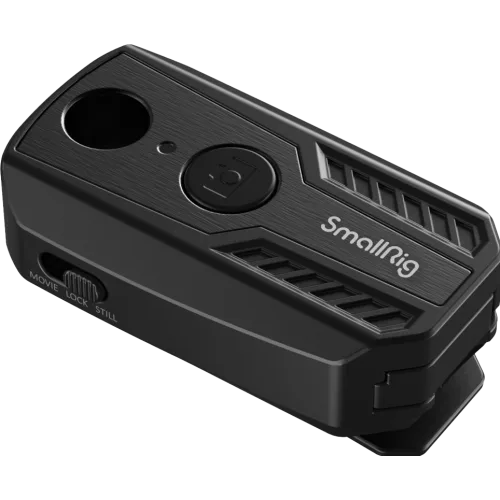
SmallRig 3902 Wireless Remote Controller for Select Sony, Canon & Nikon Cameras
-
Sony RMT-VP2 Wireless Remote Commander: The Sony RMT-VP2 Remote Commander offers dedicated buttons for shutter, video, AF-ON, and zoom/focus, and operates up to 10 metres away via Bluetooth. The one-handed layout lets you adjust focus and zoom while staying in front of the camera, ideal for precise self-portraits.
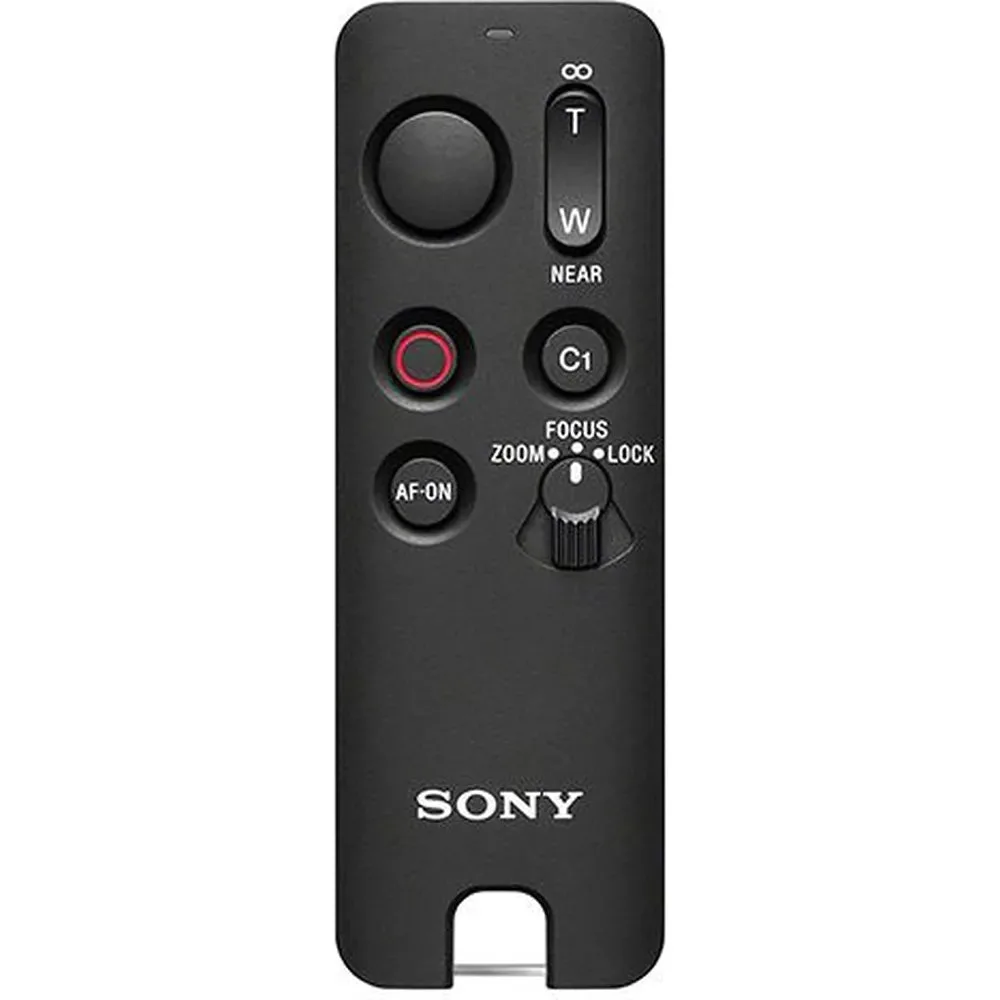
Sony RMT-VP2 Wireless Remote Commander
-
Hahnel Captur Remote Timer Kit for Nikon: The Hahnel Captur Remote Timer Kit for Nikon supports wireless long exposures and time-lapse sequences, and includes N1, N2, and N3 cables for wired mode. It's a versatile choice for Nikon shooters who need interval timing and the option to control multiple cameras.