Quick answer
Shorten the strap so the bag rests at your hip or just above it, not at your waist or ribs, and keep the load under roughly 10 percent of your body weight. If the strap still digs in, add a padded strap cover or switch to a two-strap backpack. Pain that radiates into your neck, arm, or fingers means the bag is the wrong tool, not a fit problem.
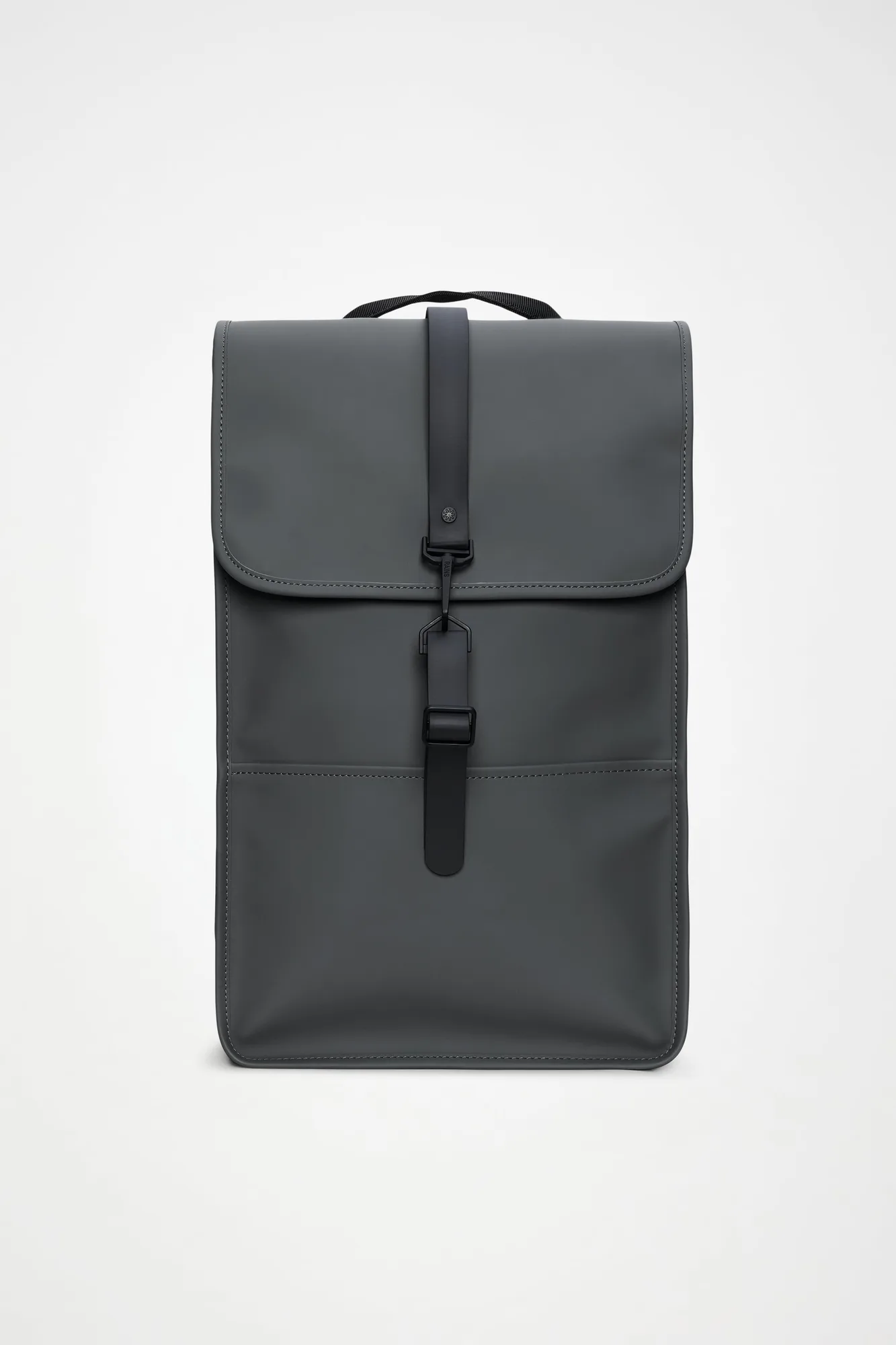
backpack
Why the strap position matters more than the bag itself
A crossbody strap concentrates the full weight of the bag across one shoulder and diagonally over your chest. When the bag hangs too low, it swings against your hip and pulls the strap tight against the side of your neck. When it sits too high, it presses into your ribs and restricts your breathing on stairs or hills. The sweet spot is the bag body resting at the top of your hip bone, with the strap lying flat across your chest rather than twisted or bunched. Check this in a mirror from the side, not just the front, because a strap can look fine head-on while cutting into your trapezius from an angle.
How to adjust the strap for a better carry
Loosen the strap, put the bag on, then tighten it in small increments until the bag sits at hip level. You should be able to slide two fingers under the strap at your shoulder without forcing them. If the strap has a slider, move it a centimeter at a time and walk around for a minute before adjusting again. For bags with a wide, flat strap, rotate the strap so the widest part sits on top of your shoulder, not against your neck. If your bag has a removable strap, swapping to a wider webbing strap spreads pressure over more surface area and is often the cheapest fix.
Load weight and what actually belongs in a crossbody bag
The single biggest cause of crossbody shoulder pain is carrying more than the bag was designed for. A crossbody bag works best for a phone, wallet, keys, a small water bottle, and a light layer. Once you add a laptop, a hardcover book, or a full grocery run, the strap pressure climbs quickly. Weigh your loaded bag on a kitchen scale. If it is over about 10 percent of your body weight, either remove items or move to a backpack that distributes load across both shoulders. For commuting with a laptop, a crossbody bag is the wrong shape regardless of how well you adjust the strap.
When to stop adjusting and choose a different bag
If you have shortened the strap, lightened the load, and padded the strap, and you still feel numbness, tingling, or sharp pain within 20 minutes of wearing the bag, stop wearing it crossbody. Those symptoms suggest nerve compression, and no strap adjustment will fix a bag that is fundamentally too heavy or too small for your daily carry. Switch to a two-shoulder backpack for commutes and reserve the crossbody bag for short trips with minimal weight. If pain persists even when you are not wearing the bag, see a healthcare professional rather than continuing to troubleshoot the fit.
Diagnose your crossbody shoulder pain
- Ache across the top of one shoulder: The strap is likely too thin or the bag is hanging too low, so the strap edge digs into your trapezius with every step. Shorten the strap so the bag sits at hip level and rotate the widest part of the strap onto the top of your shoulder. If the ache fades within a few minutes of adjusting, the fit was the problem.
- Stinging or redness at the side of your neck: The strap is probably twisted or sitting too close to your neck. Untwist it, loosen it slightly, and check from the side in a mirror. A padded strap cover or a wider replacement strap usually solves this one. If the mark is still there after a 10-minute walk, the strap is too narrow for your load.
- Numbness, tingling, or pain running down your arm: This points to nerve compression from sustained pressure, not a simple fit issue. Stop wearing the bag crossbody and move your daily load into a two-shoulder backpack for at least a few days. If symptoms continue when you are not carrying the bag, see a healthcare professional.
Gear that helps when you need to carry more
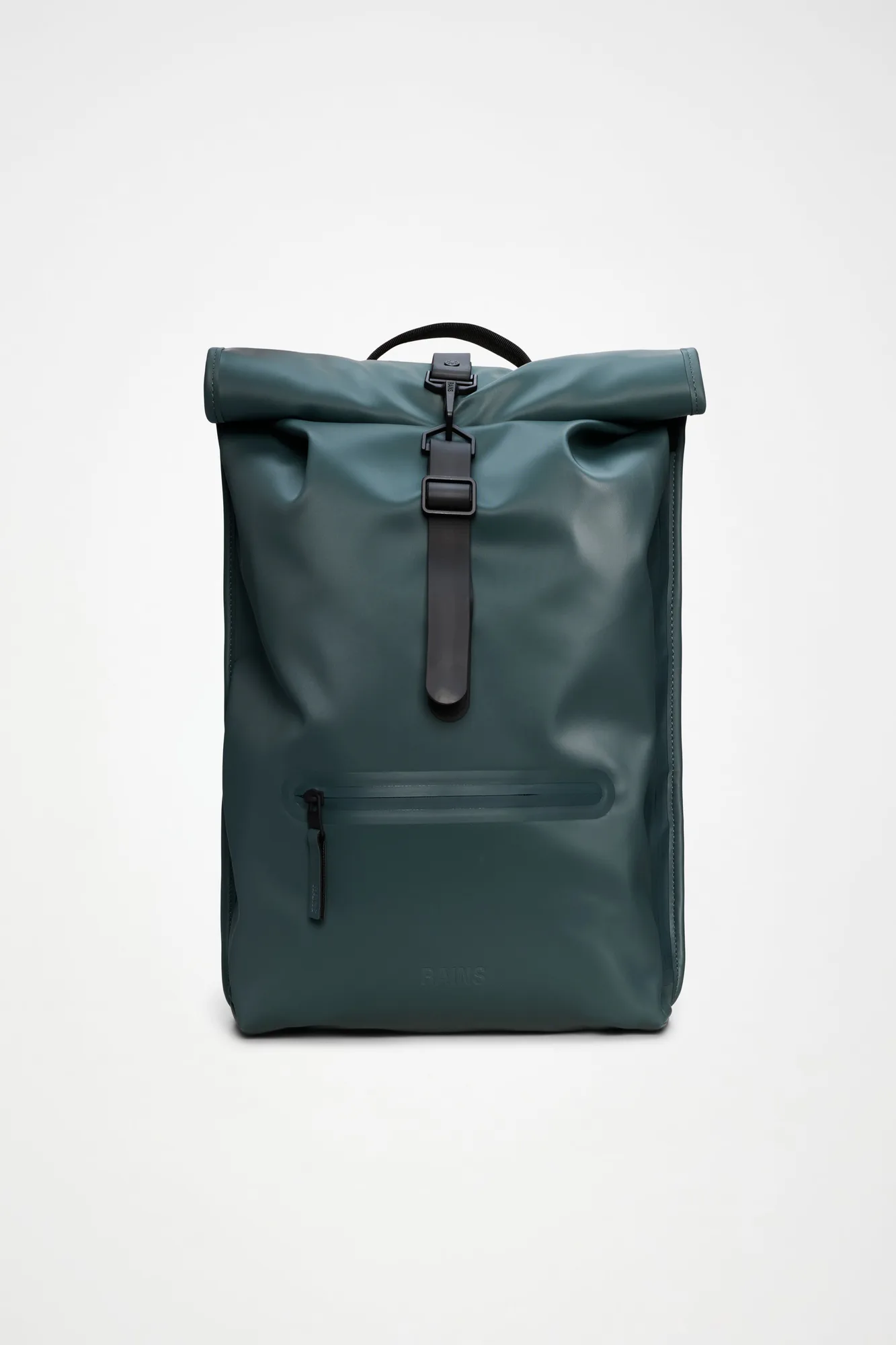
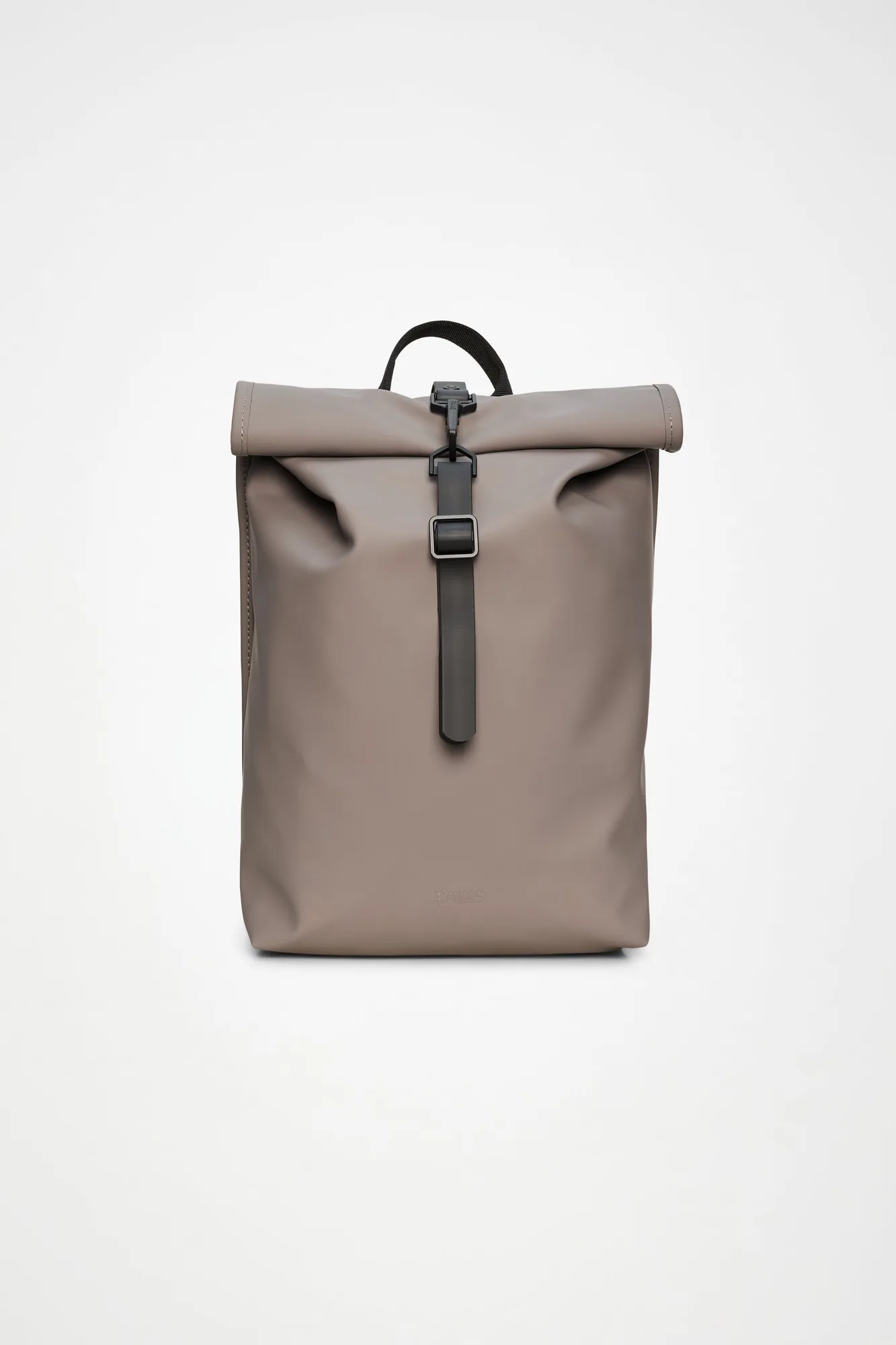
- Rolltop Rucksack Mini: Rolltop Rucksack Mini is a downscaled version of Rains' iconic Rolltop Rucksack, designed for commutes on bike or foot, with a rolltop that folds into a tight scroll and secures with a signature carabiner. If your crossbody load has crept up to laptop weight, a two-shoulder backpack like this moves the load off one shoulder entirely and keeps rain out, which is the practical fix when strap adjustment alone stops working.
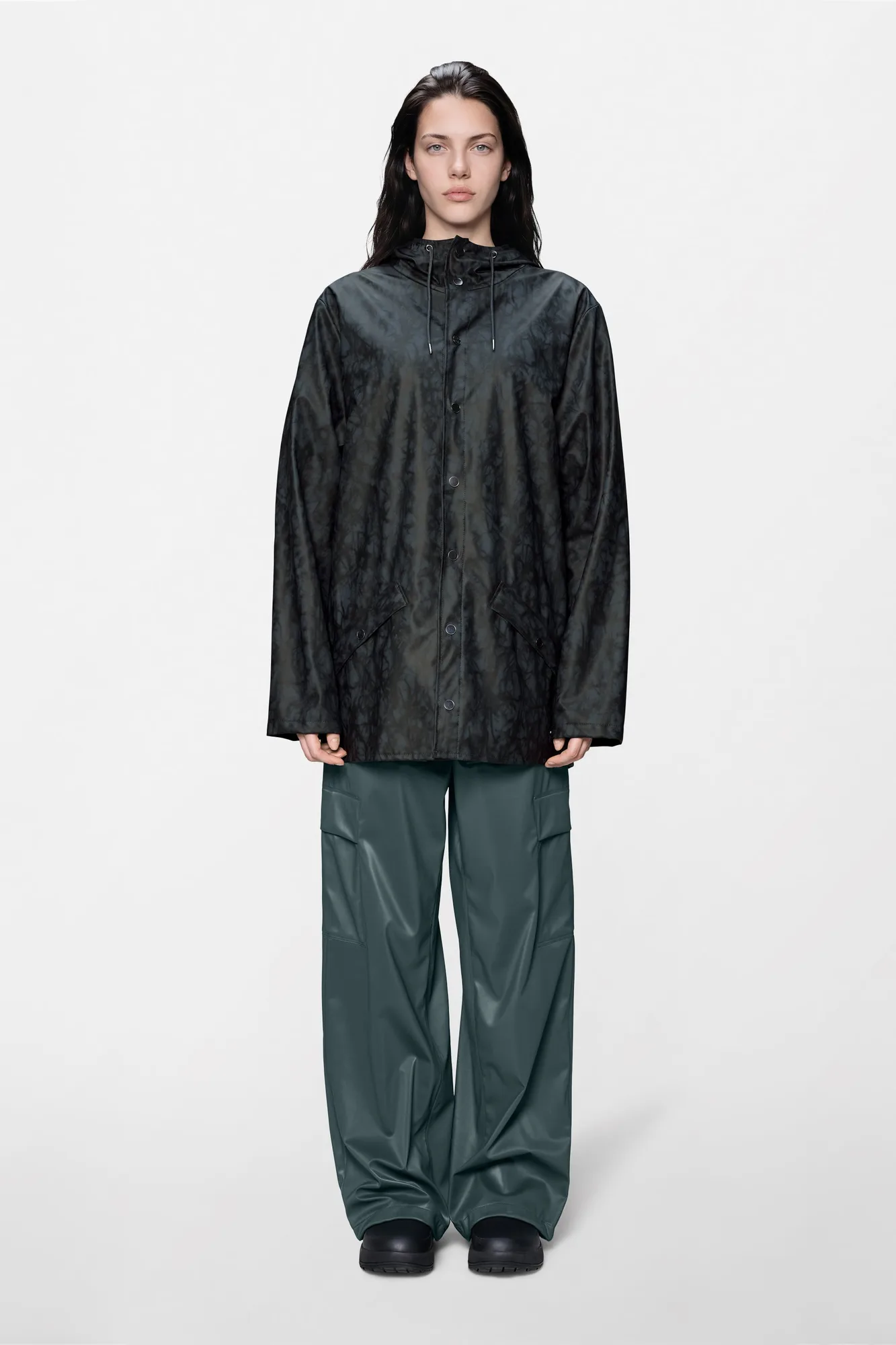
- Long Jacket: jacket-male-05a2e3cd05f2c3d9dca274e5-781567">jacket-male-936c7d5801d3c237fe6d897a-781552">Long Jacket is a long version of Rains' classic rain jacket, with a placket and snap fastenings, a hood with built-in cap, and sleeves finished with snaps for a loose or tight fit. A crossbody strap sits over your jacket, so a smooth, minimal outer layer reduces friction and bunching under the strap. The adjustable sleeve snaps also let you keep your arms free for cycling without the jacket flapping.