Quick answer
Rinse and dry your hunting knife immediately after field dressing, then apply a thin coat of oil before it goes back in the sheath. Sharpen only when the edge feels dull, and store the knife clean, dry, and out of the sheath for long periods. That simple routine is the core of hunting knife maintenance and the most reliable way to prevent knife rust hunting trips.
A hunting knife spends its working life in blood, fat, and wet weather, then sits in a sheath for months. That combination is hard on steel, and most rust and edge problems start with a few minutes of neglect right after the animal is down.
You do not need a workbench full of gear to keep a blade in shape. A rinse, a dry cloth, a light oil, and a consistent sharpening habit cover almost everything. The steps below walk through field cleanup, edge care, and storage so your knife is ready when the next season opens.
Why rust starts before you notice it
Blood and fat are acidic and hold moisture against steel. Even a stainless blade can develop surface rust if it goes into a sheath damp, because the sheath traps that moisture against the edge and the spine. The first sign is usually a dull orange film near the plunge line or inside the finger guard, not a dramatic orange blade.
The fix is timing, not expensive products. Clean and dry the knife as soon as you finish field dressing, before you pack it away. If you cannot clean it immediately, wipe the blade with a dry rag, keep it out of the sheath, and finish the job at camp or home.
- Never store a knife in a wet or blood-soaked sheath, even overnight.
- Check the finger guard, spine, and pivot area, where moisture hides.
Field cleanup after dressing an animal
Start with cool water if you have it. Hot water can set blood proteins and make them harder to remove. Rinse the blade and handle, then wipe with a cloth or paper towel until no residue comes off. Pay attention to the area where the blade meets the handle, since fat and blood collect there and are easy to miss.
Dry the knife completely with a clean cloth. If you are near a fire or stove, you can let the blade air-dry near gentle warmth, but never put a knife directly on a hot surface or in a flame. Once dry, apply a thin film of oil or a food-safe protectant. A light coat is enough; a heavy coat just attracts grit.
- Use a dedicated cloth for the blade and a separate one for your hands.
- If you use a wood stove at camp, dry the knife near it, not on it.
Sharpening without overdoing it
Most hunting knives do not need a full sharpening after every animal. A few passes on a fine stone or a ceramic rod to realign the edge is often enough. Save heavier sharpening for when the knife tears paper or slides off a thumbnail instead of biting. Over-sharpening removes steel and shortens the life of the blade.
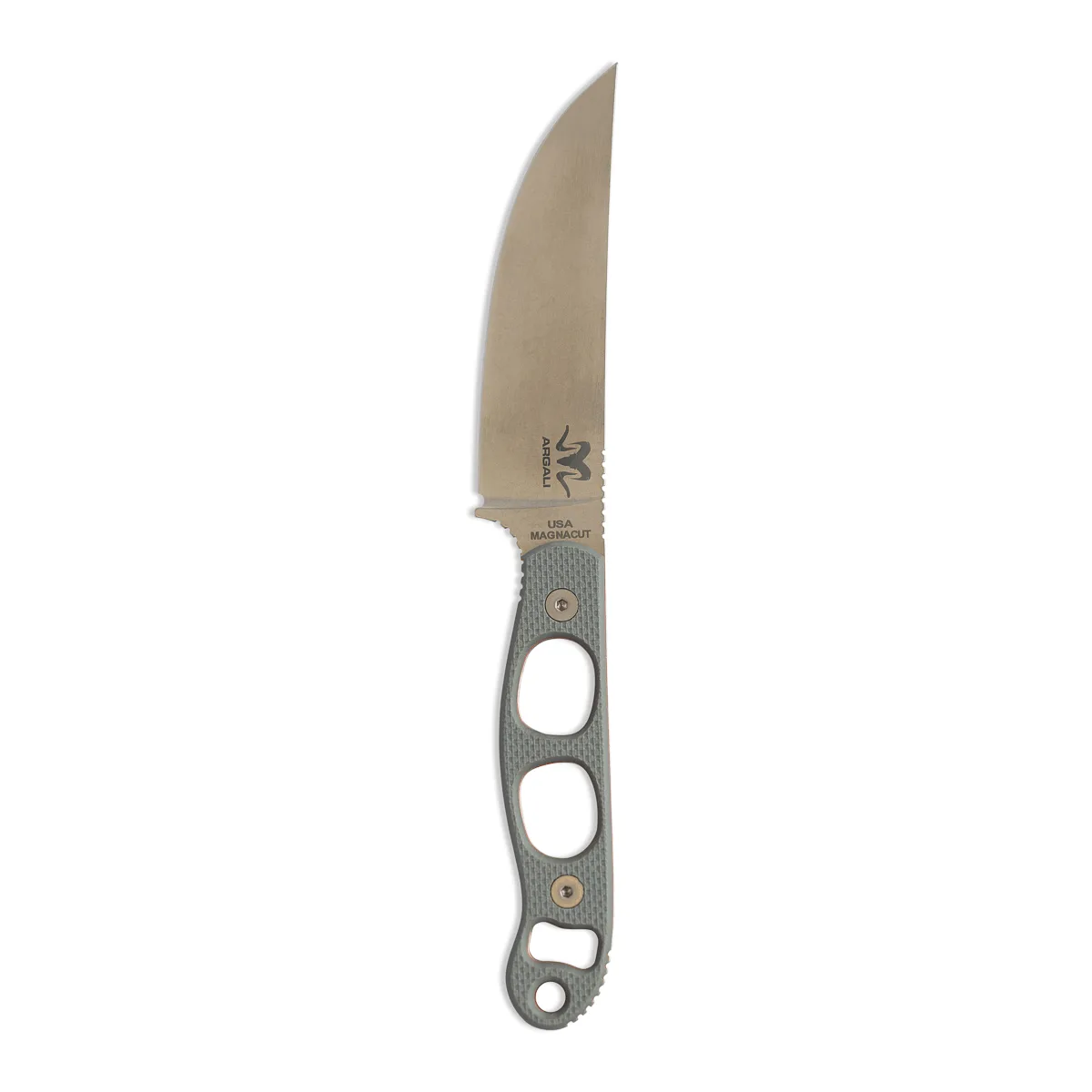
Match your angle to the blade. A skinning-style blade with a deep belly, like the Serac MagnaCut Knife, benefits from a consistent angle and light pressure rather than aggressive strokes. If you are unsure of the angle, use a guided sharpener or a rod system that holds the angle for you.
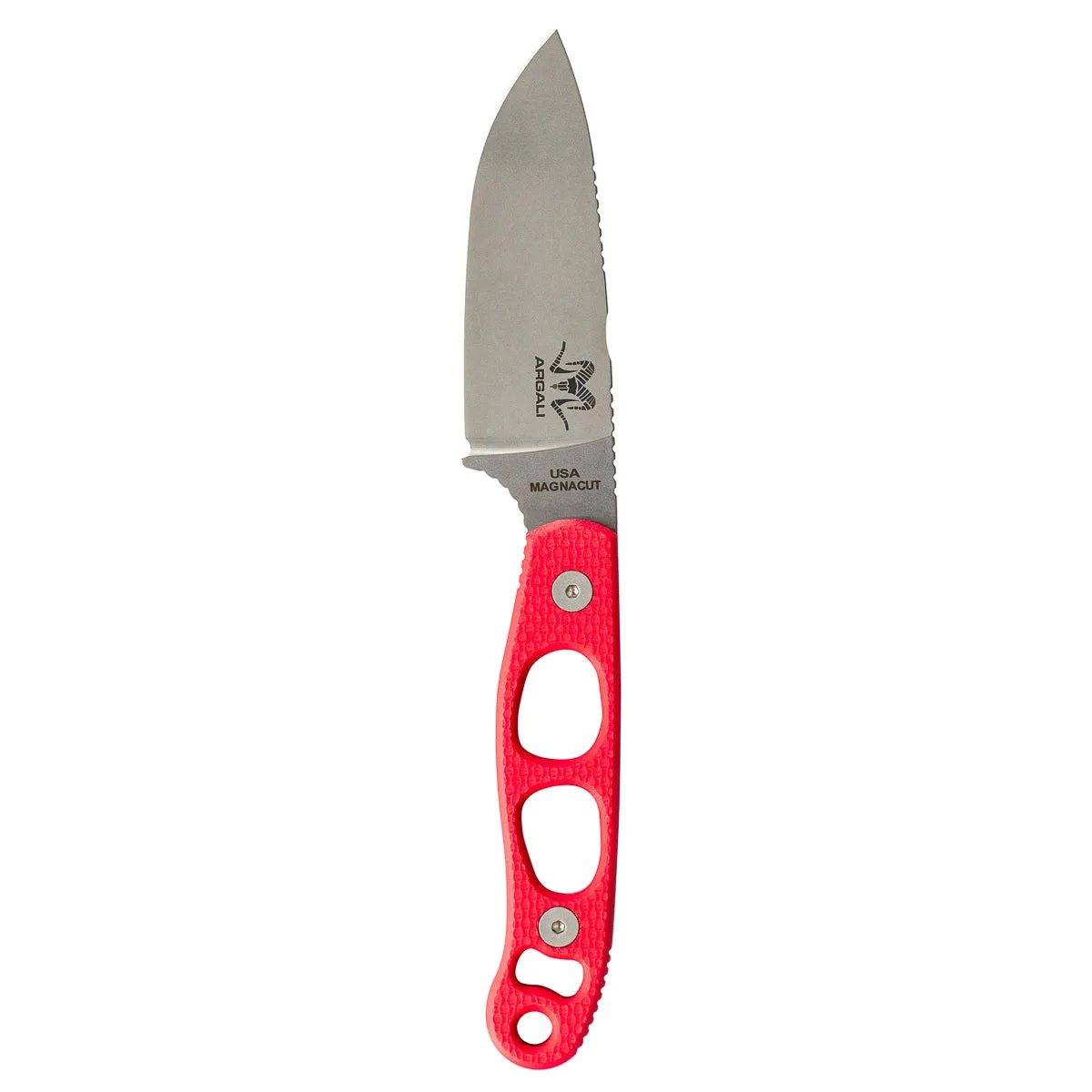
Serac MagnaCut Knife
- Strop or hone after sharpening to remove the burr.
- Test the edge on paper, not on your thumb pad.
Storing a hunting knife for the off-season
For long storage, clean the knife thoroughly, dry it, and apply a rust-inhibiting oil or a thin coat of wax. Do not store the knife in a leather sheath for months, because leather can hold moisture and tanning residues against the blade. A cloth roll, a plastic sleeve, or a dry, well-ventilated drawer is a better choice.
Check stored knives once or twice during the off-season. If you see a spot of rust, remove it with a light abrasive pad and oil, then re-coat the blade. A quick check takes a minute and prevents pitting that cannot be reversed.
- Label your storage so you can find the knife before opening day.
- Keep stored knives away from damp basements and garages.
Step-by-step knife care routine
- Step 1: Rinse and wipe immediately after field dressing: Use cool water and a cloth to remove blood and fat from the blade, handle, and finger guard. Work from the spine toward the edge to avoid cutting yourself. Checkpoint: no visible residue or sticky film remains on the steel.
- Step 2: Dry the knife completely: Wipe the blade dry with a clean cloth, then let it air-dry for a few minutes. Pay attention to the pivot, guard, and any textured handle surfaces. Common mistake: putting the knife back in the sheath while it is still damp.
- Step 3: Apply a thin coat of oil or protectant: A light film on the blade and exposed metal is enough. Spread it with a cloth or your fingers, then wipe off any excess so it does not collect grit. Checkpoint: the blade looks slightly sheened, not wet or dripping.
- Step 4: Hone or sharpen only when needed: Use a fine stone, ceramic rod, or strop to realign the edge. Match the existing angle and use light pressure. Save full sharpening for when the edge fails a paper test. Common mistake: sharpening after every animal and removing more steel than necessary.
- Step 5: Store clean, dry, and out of the sheath: For long-term storage, keep the knife in a dry, ventilated place such as a cloth roll or plastic sleeve. Avoid leaving it in a leather sheath for months. Checkpoint: inspect stored knives once or twice in the off-season for rust spots.
Gear that supports the routine
- Serac MagnaCut Knife: The Argali Serac knife is a lightweight, backcountry hunting knife with a full handle grip and a modified skinning style blade. It has a ferro rod striker built into the spine of the knife and is designed for those who prefer a deeper belly knife but still want a do-it-all knife for field butchering. A full handle and deep belly give you control during field butchering, and the ferro rod striker means one less tool to carry. The blade shape also means you should sharpen with a consistent angle rather than heavy pressure.
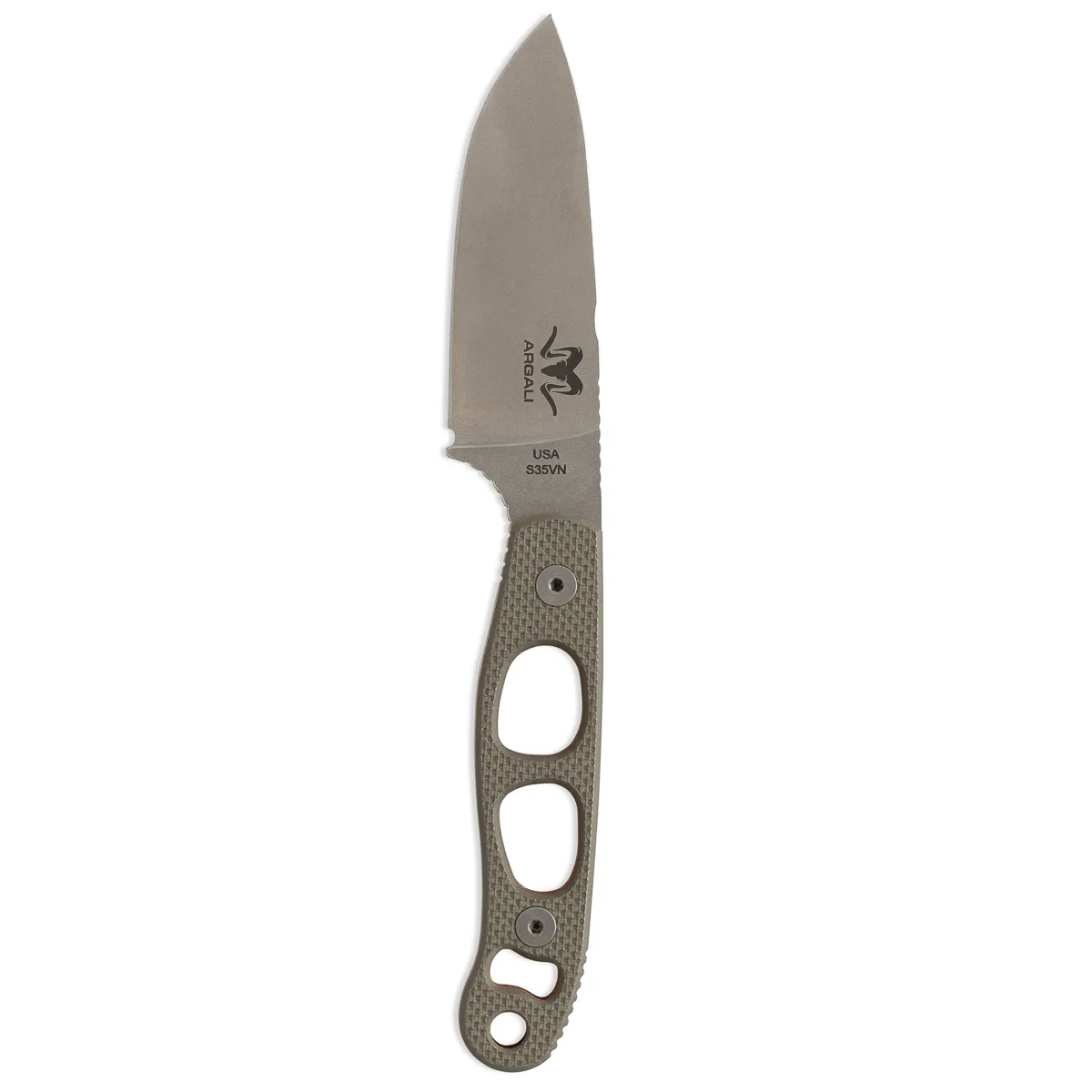
Serac knife
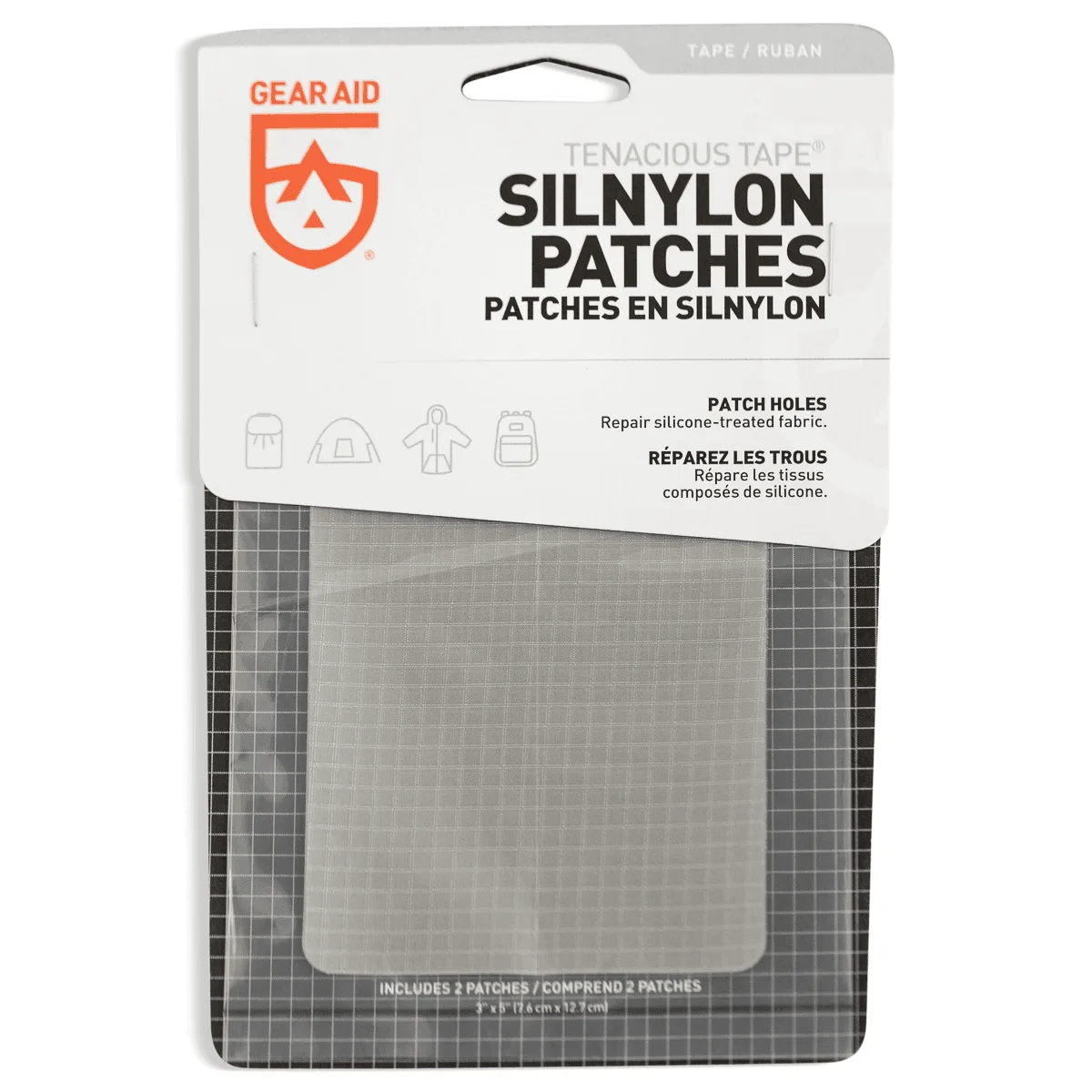
- GEAR AID Tenacious Tape Silnylon Patches: These peel-and-stick patches are backed by a silicone-based adhesive that sticks to any Argali Tent and make quick, permanent repairs for small holes and tears. A knife is often used near tents and gear, and a small tear can happen. Keeping a patch kit in your pack lets you repair a tent or gear sack in the field instead of ending the trip early.
Knife care is mostly about a few minutes of attention at the right time. Clean and dry the blade after field dressing, oil it lightly, sharpen only when the edge asks for it, and store it dry. Do that and your hunting knife will be ready for the next season instead of rusting in a sheath.