Quick answer
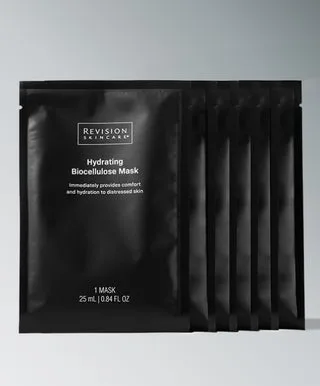
For most people with dry or dehydrated skin, use a hydrating biocellulose mask two to three times per week. If your skin is very dry or compromised, you can use it daily for a short period, then taper to twice weekly. If you are using it after a professional treatment like a chemical peel, microneedling, or laser, follow your provider's guidance and start with a single application to test tolerance.
Why biocellulose masks fit a dry skin schedule
Biocellulose masks are made from a fine fiber structure that holds and delivers hydration evenly across the face. They sit close to the skin and create a gentle occlusive effect, which helps limit water loss while you wear them. This makes them a good fit for dry or dehydrated skin that needs a focused boost without heavy creams. If your skin is oily or prone to breakouts, a hydrating biocellulose mask can still work, but you may prefer to use it less often and pair it with a lightweight moisturizer afterward.
Signs you are using it too often
Using a hydrating mask more than once a day, or every day for weeks, can lead to over-hydration for some people. Watch for small bumps, a feeling of heaviness, or skin that looks shiny and feels tacky rather than soft. If that happens, skip a few days and return to two or three times per week. Also check how your skin feels 30 minutes after removing the mask: if it feels tight again quickly, you may need a richer moisturizer on top, not more masks.
How to build a weekly routine around it
A simple approach is to use the mask on alternating days, or on the evenings when your skin feels tight or dull. For example, Monday, Wednesday, and Friday. On the other days, stick to your regular cleanser, serum, and moisturizer. If you use active ingredients like retinol or exfoliating acids, avoid applying them right before or after the mask on the same evening to reduce the chance of irritation. Instead, use the mask on a night off from those products.
Step-by-step biocellulose mask application
- Start with a clean, dry face: Cleanse gently and pat your skin dry. Do not apply a toner with strong acids or a scrub right before the mask, as that can increase sensitivity. Checkpoint: your skin should feel calm, not tight or stinging, before you open the mask.
- Unfold and place the mask evenly: Take the mask out of the package and smooth it over your face, starting at the forehead and working down. Press lightly around the nose and chin so the fiber makes contact with your skin. Common mistake: leaving air pockets or letting the mask hang off the jaw, which reduces contact and hydration delivery.
- Leave it on for the recommended time: Keep the mask on for the time stated on the packaging, usually 10 to 20 minutes. Do not leave it on until it dries out, as that can pull moisture back from your skin. Checkpoint: remove it while the mask still feels damp, not crispy.
- Remove and press in the remaining serum: Take off the mask and gently massage any leftover serum into your skin with clean fingertips. Do not rinse unless the instructions say to. Next step: follow immediately with a moisturizer to seal in hydration.
- Lock in hydration with moisturizer: Apply your usual moisturizer or a richer cream if your skin is very dry. This step helps extend the hydrating effect and supports your skin barrier. Verdict: if your skin still feels tight after moisturizer, you may need to adjust your frequency or add a hydrating serum.
Product facts
- Hydrating Biocellulose Mask: During a clinical study when the mask was used after a chemical peel application, 97% of subjects agreed that the Hydrating Biocellulose Mask delivered immediate cooling relief and calmed and soothed skin.1 The Hydrating Biocellulose Mask can also be used after microneedling and laser treatments to cool and calm compromised skin on contact†. This makes it a practical option for post-treatment recovery when your skin needs gentle hydration and cooling, and it supports a less-is-more approach right after professional procedures.