Quick answer
Build your study desk around three zones: a card zone for the index card study method, a reading zone with a book stand for studying, and a small landing spot for bookmark organization. Set the zones first, then add accessories. If you collect anime merch, keep one or two display pieces like the Link Click acrylic or ticket set where you can see them, not where they crowd your writing space.
Measure your reach before you buy anything
Sit in your chair and stretch both arms forward and to the sides. Mark the area your hands can reach without standing up. That is your working triangle, and everything you use daily should live inside it. A book stand for studying belongs slightly left or right of your writing hand, not directly behind your keyboard. Index cards belong within one arm sweep so you can grab and flip without breaking focus.
Build the card zone for the index card study method
The index card study method only works if blank cards, written cards, and cards you have already reviewed have separate homes. Use a small tray or a divided box. Keep a pen in the same tray. If cards and pens live in different drawers, you will stop writing cards within a week. Keep the card zone on your non-dominant side so your writing hand stays free for notes.
Set up the reading zone with a book stand
A book stand for studying should hold your book at a readable angle without sliding. Test the angle by opening a book to the middle and leaving it for ten minutes. If the pages close or the stand tips, the angle is wrong for that book size. Keep the stand close enough that your eyes move, not your whole torso. This reduces neck strain during long reading blocks.
Create one landing spot for bookmark organization
Bookmark organization fails when bookmarks are scattered across books, drawers, and bags. Pick one small dish or pouch on the desk edge. Every bookmark goes there when not in use. If you use bookmarks with tassels or charms, hang them over the dish edge so they do not tangle. This one habit keeps your reading desk setup ready for the next session.
Add display pieces without stealing study space
Collectibles can motivate you, but they should not compete with your working triangle. Put one or two small items on a shelf above the desk or on the far corner. Rotate them monthly so the desk feels fresh without becoming a display case. If a piece is fragile, keep it out of the arm-sweep zone entirely.
Reset the desk in five minutes at the end of each session
A study desk setup only stays usable if you reset it. Return index cards to the card zone, close the book stand, and drop bookmarks in the landing spot. This five-minute habit prevents the slow clutter that makes you avoid the desk. If you skip the reset, you will spend the first ten minutes of your next session cleaning instead of studying.
Seven steps to set up a study desk you will keep using
- Clear the desk completely: Remove everything, then wipe the surface. Put back only the items you used in the last three study sessions. Checkpoint: if you cannot remember using it recently, it does not go back yet.
- Map your working triangle: Sit down and mark the reachable area with tape or sticky notes. This is where daily tools live. Mistake to avoid: placing a book stand behind your keyboard, where you have to twist to read.
- Place the card zone: Put a tray or divided box for blank, active, and reviewed index cards on your non-dominant side, with a pen in the same tray. Checkpoint: can you grab a blank card and write on it without standing up?
- Position the book stand: Set the stand at an angle where an open book stays open on its own. Test with the thickest book you use. Mistake to avoid: buying a stand before measuring your book sizes.
- Create the bookmark landing spot: Place one small dish or pouch at the desk edge. Every bookmark returns there after each session. Checkpoint: after one week, are all your bookmarks in one place?
- Add one display piece outside the triangle: Put a small collectible on a shelf or far corner. Rotate it monthly so it stays interesting but not distracting. Mistake to avoid: letting display items pile up inside your writing area.
- Run a five-minute reset: At the end of each session, return cards, close the stand, and drop bookmarks in the landing spot. Checkpoint: if the reset takes longer than five minutes, you have too much on the desk.
Small collectibles that fit a study desk
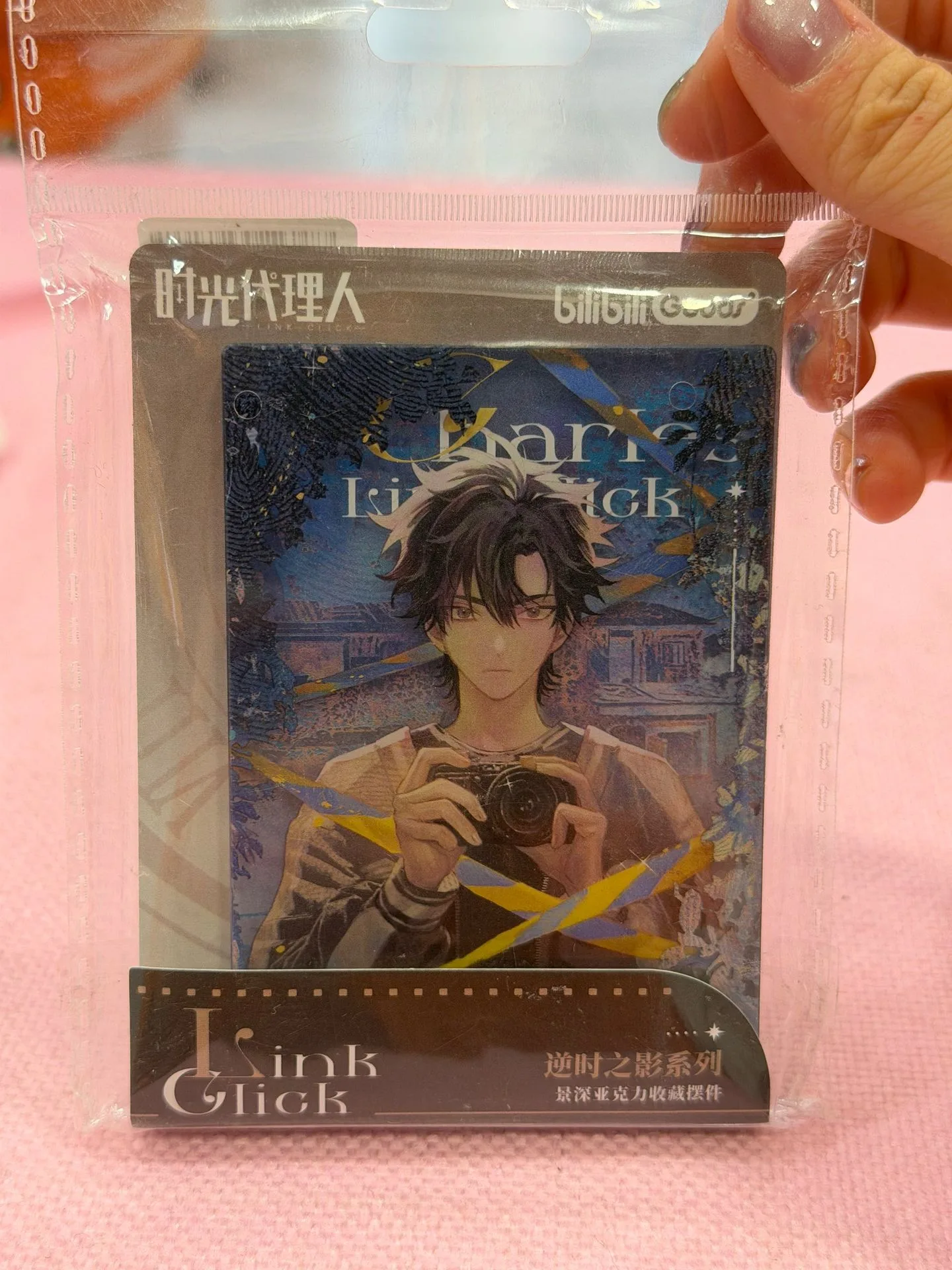
- 65868 Link Click Special Texture Acrylic Collection Display (Ching XiaoShi): Link Click Special Texture Acrylic Collection Display featuring Ching XiaoShi, with a special texture acrylic finish. A flat acrylic display takes little desk depth, so it can sit on a shelf edge or far corner without entering your working triangle.
- 65476 LinkClick Collection Film (One Set All Four): LinkClick Collection Film set includes all four films in one set. A complete set is easier to store as one item, which keeps shelf clutter down if you display it near your study area.
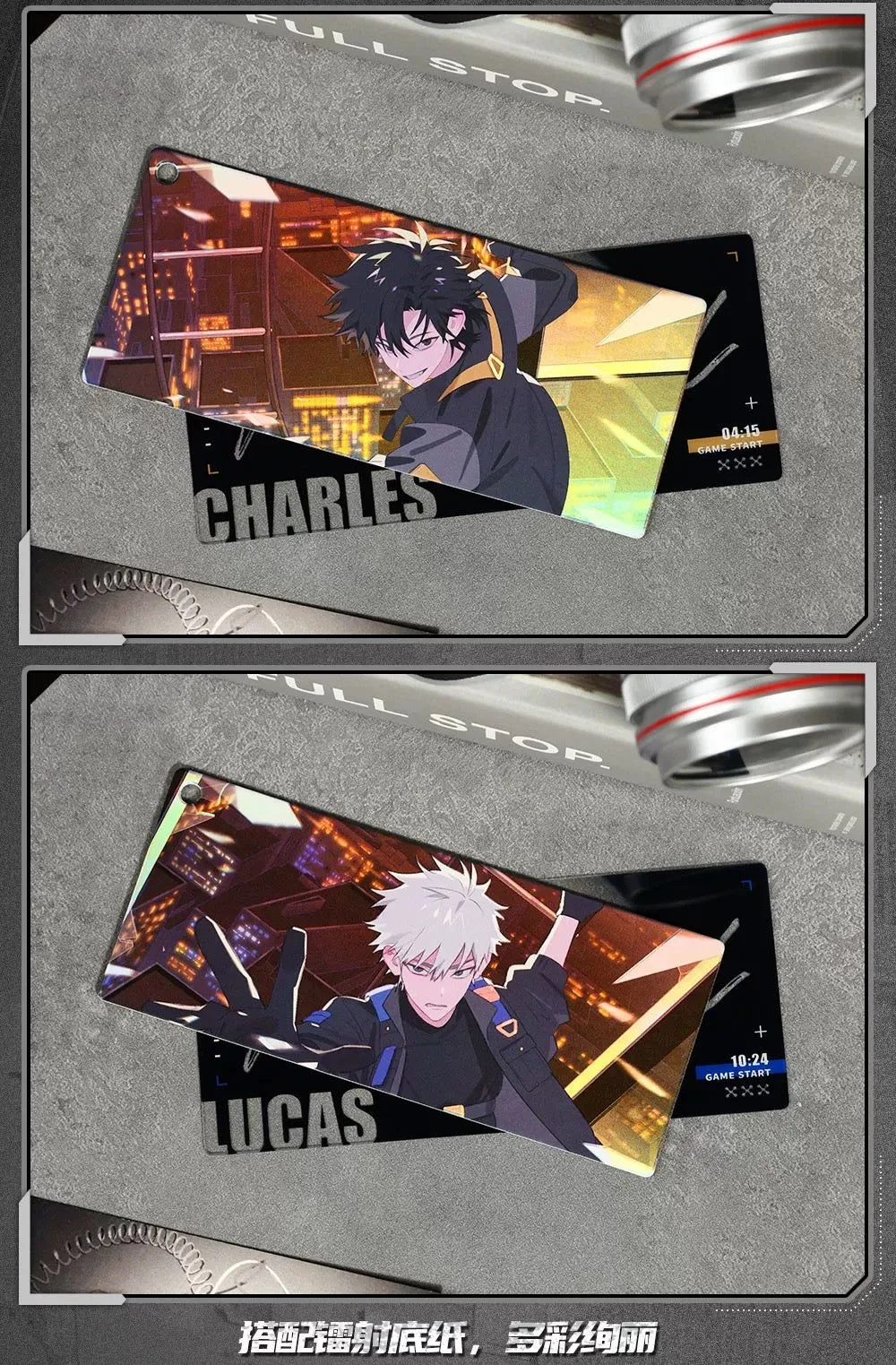
- 66596 LinkClick Shadow Collection Ticket Set (One Set Two Tickets Inside): LinkClick Shadow Collection Ticket Set includes two tickets in one set. Small paper collectibles fit a bookmark landing dish or a small tray, so they stay organized instead of loose on the desk.