Quick answer
To install a car stereo in a modern vehicle with start-stop, you need a compatible wiring harness that includes a start-stop interface. This interface prevents the stereo from powering off or resetting when the engine restarts at a stoplight. Without it, your new stereo may lose settings or cut out every time the engine cycles.
What is a start-stop interface and why do you need one?
Modern vehicles with start-stop technology temporarily shut off the engine when you come to a stop to save fuel. When the engine restarts, the electrical system voltage can drop or spike, which can cause an aftermarket stereo to reboot or lose memory. A start-stop interface is a small module that connects between your car's wiring and the stereo, maintaining a stable power supply during the restart cycle. It also often integrates with the CAN bus system so that the stereo turns on and off with the ignition as intended.
Tools and parts you will need
Gather the following before you start: a trim removal tool set, wire strippers, crimpers, electrical tape or heat shrink, a multimeter, and the correct wiring harness for your vehicle. You will also need a start-stop interface module specific to your car make and model. If your factory speakers are being replaced, consider upgrading to a set that handles the power from your new stereo efficiently.
Preparing the vehicle
Disconnect the negative battery terminal and wait at least 10 minutes for the airbag system to discharge. Use trim tools to carefully pry off the dashboard panels around the factory stereo. Remove the factory radio screws and slide the unit out. Unplug the wiring harness and antenna lead. Do not force any connectors; if they are stuck, check for hidden screws or clips.
Installation steps for a start-stop vehicle
- Connect the start-stop interface: Wire the interface module between the vehicle's harness and the aftermarket stereo harness according to the module's instructions. Typically, this involves connecting the constant 12V, switched 12V, ground, and CAN bus wires. The interface will manage power dips during engine restart. Common mistake: Skipping the interface and wiring the stereo directly to constant 12V. This can drain the battery or cause the stereo to stay on indefinitely.
- Test the wiring before final assembly: With the battery reconnected but the stereo not yet mounted, turn the ignition to the accessory position. Verify that the stereo powers on and off with the ignition. Then start the engine and let it idle, then come to a stop so the start-stop system engages. The stereo should stay on and retain settings when the engine restarts. Checkpoint: If the stereo reboots or loses memory, double-check the interface wiring and that the constant 12V wire is connected to a circuit that remains live during start-stop.
- Mount the stereo and reassemble the dashboard: Slide the stereo into the dash kit and secure it with the mounting screws. Reattach the dashboard panels by pressing them into place until they click. Reconnect the negative battery terminal last. Final step: Test all functions again, including steering wheel controls if you have an adapter. If the stereo works correctly through a start-stop cycle, the installation is complete.
Speaker upgrade options
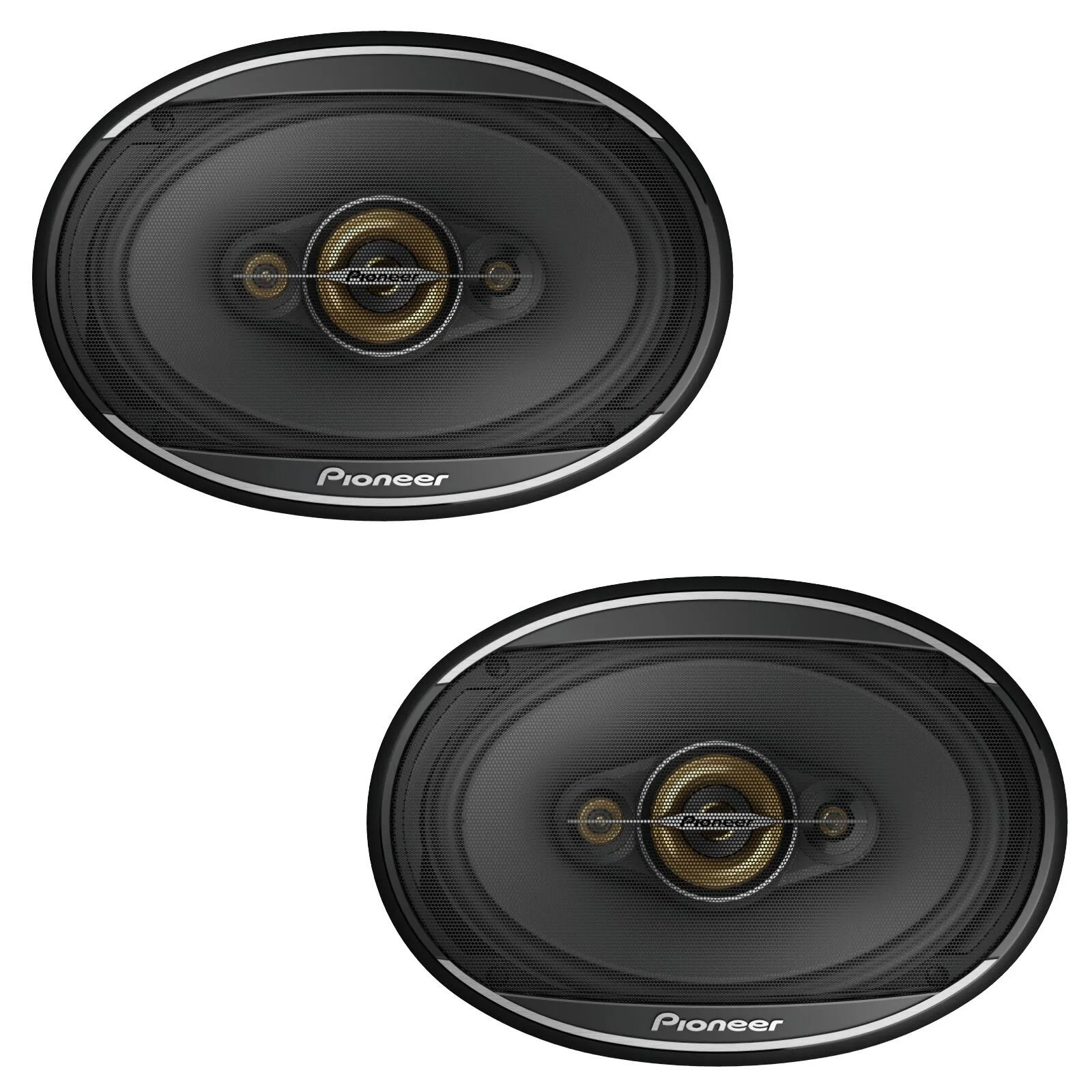
- Pioneer TS-A6971F Speakers 6x9†4 Way Car Parcel Shelf Coaxial System 100w RMS: Pioneer TS-A6971F 6x9" 4-Way Coaxial System (600 W) with carefully selected materials to improve bass response and high frequencies, delivering Pioneer's Open & Smooth™ sound. If you are replacing the factory speakers while installing your new stereo, these 6x9" coaxials provide a noticeable upgrade in clarity and bass without needing a separate subwoofer, fitting many rear parcel shelves or door locations.
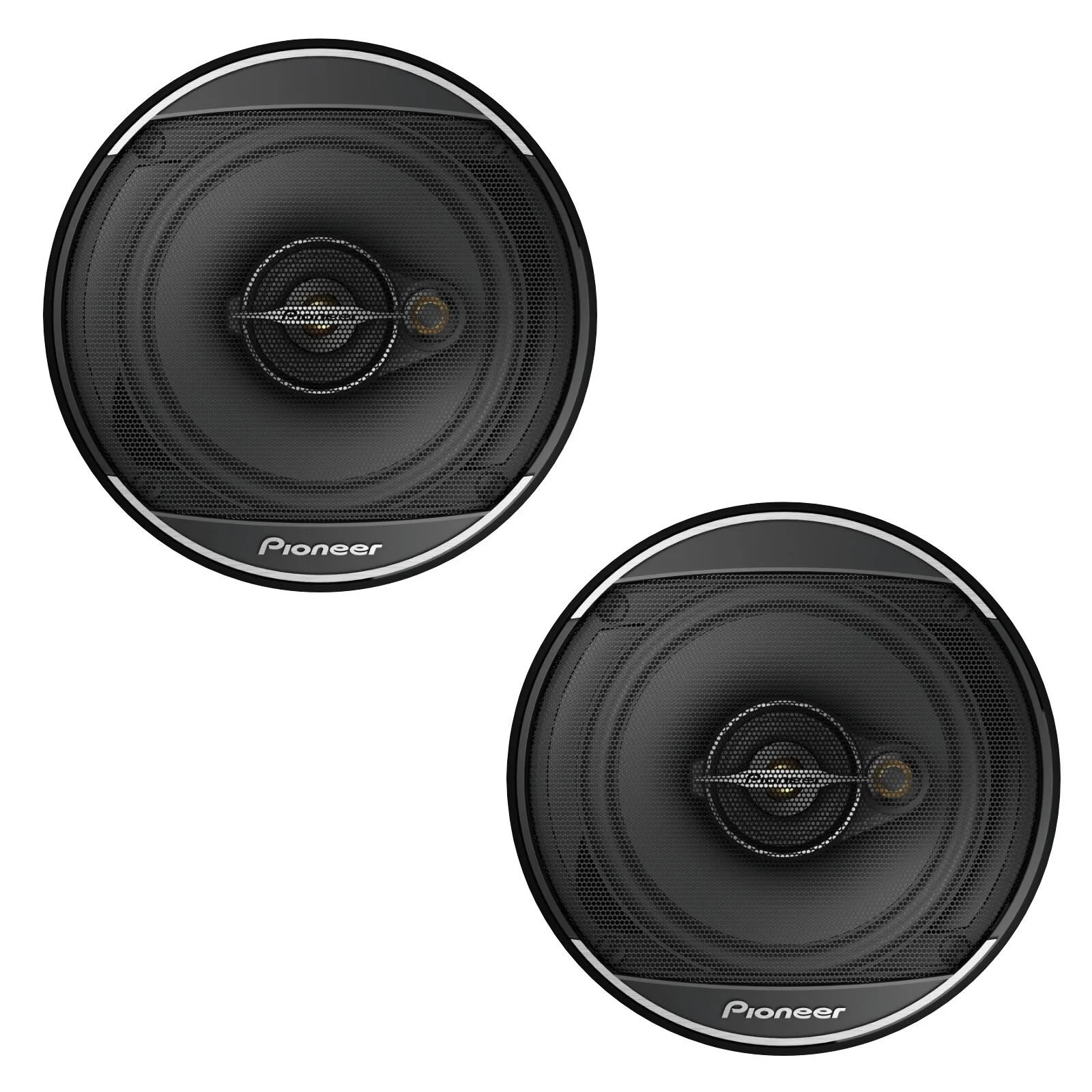
- Pioneer TS-A1371F Speakers Inch 13cm 3 Way Car Van Door Coaxial System 50w RMS: Pioneer TS-A1371F 13 cm 3-Way Coaxial System (300 W) with carefully selected materials to improve bass response and high frequencies, delivering Pioneer's Open & Smooth™ sound. These 13 cm speakers are a direct fit for many factory front door locations and offer a balanced sound upgrade that pairs well with a modern aftermarket stereo, especially in smaller vehicles.