Quick Answer
To integrate reading into daily activities, start by linking books to existing routines like meals and bedtime. Create cozy reading corners, use audiobooks during commutes, and let children choose books that match their interests. Consistency and choice are key to building lasting reading habits.
In our busy lives, finding time for reading can feel like a challenge. However, integrating reading into daily activities doesn't require extra hours; it's about making small, intentional changes that turn everyday moments into opportunities for literacy.
Whether you're a parent or educator, these practical strategies will help you weave reading seamlessly into your routine, fostering a love for books without adding stress.
Start with Existing Routines
The easiest way to build a reading habit is to attach it to something you already do. For example, keep a book on the breakfast table and read a page or two while your child eats. At bedtime, replace screen time with a story. These small tweaks create consistent reading moments without overhauling your schedule.
Think about other routines: waiting for a bus, during bath time (with waterproof books), or while dinner is cooking. The goal is to make reading a natural part of the day, not a separate chore.
- Keep books in high-traffic areas like the kitchen or living room to increase visibility.
Create Inviting Reading Spaces
Children are more likely to pick up a book if there's a comfortable, appealing spot to read. Designate a cozy corner with pillows, good lighting, and a small shelf of books. Let your child help choose the decorations and rotate the books regularly to keep things fresh.
Even a small basket of books in the family room can work. The key is to make reading feel special and inviting, not forced.
- Rotate books weekly to maintain interest and expose children to new titles.
Use Audiobooks and Technology
Audiobooks are a fantastic way to integrate reading into activities like car rides, chores, or quiet time. They allow children to enjoy stories while on the go, and they can improve listening comprehension and vocabulary. Many resources, like the Paul and Susan series, offer audio versions that complement the printed books.
Set a rule: during car rides, it's audiobook time instead of music. This turns travel into a literacy opportunity without extra effort.
- Choose audiobooks that match your child's reading level to maximize benefit.
Let Children Choose
When children pick their own books, they feel a sense of ownership and are more motivated to read. Take regular trips to the library or bookstore and let them explore. Encourage a mix of fiction and non-fiction, but respect their preferences—even if they pick the same type of book repeatedly.
If your child is learning French or English as a second language, choose books that match their proficiency level to build confidence without frustration.
- Use the 'five-finger rule': if a child struggles with more than five words on a page, the book may be too challenging.
Model Reading Behavior
Children imitate what they see. If you want your child to read, let them see you reading regularly—whether it's a novel, a magazine, or a recipe. Talk about what you're reading and why you enjoy it. This shows that reading is a valuable and pleasurable activity for adults too.
Set aside a family reading time where everyone reads their own book silently. This shared activity reinforces the habit and provides quiet bonding time.
- Share interesting facts or stories from your reading during dinner conversations.
Steps to Integrate Reading into Daily Activities
- Audit your day for reading opportunities: Identify routines like meals, baths, and commutes where you can insert a short reading session. Aim for at least two fixed times daily. Checkpoint: Are there at least two daily moments where reading can naturally occur?
- Set up a reading corner: Choose a spot with good light and comfort. Add a small bookshelf or basket with a variety of books. Let your child personalize it. Checkpoint: Does your child gravitate to this space without being prompted?
- Incorporate audiobooks into commutes: Download audiobooks that align with your child's interests and level. Play them during car rides or while doing chores. Checkpoint: Is your child engaged and asking for the next chapter?
- Let your child pick books: Visit the library regularly and allow free choice. Encourage a mix, but respect their preferences to build autonomy. Checkpoint: Does your child show excitement about their selections?
- Model reading yourself: Set aside family reading time where everyone reads. Discuss what you're reading to show its value. Checkpoint: Is your child initiating reading on their own?
Resources to Support Daily Reading
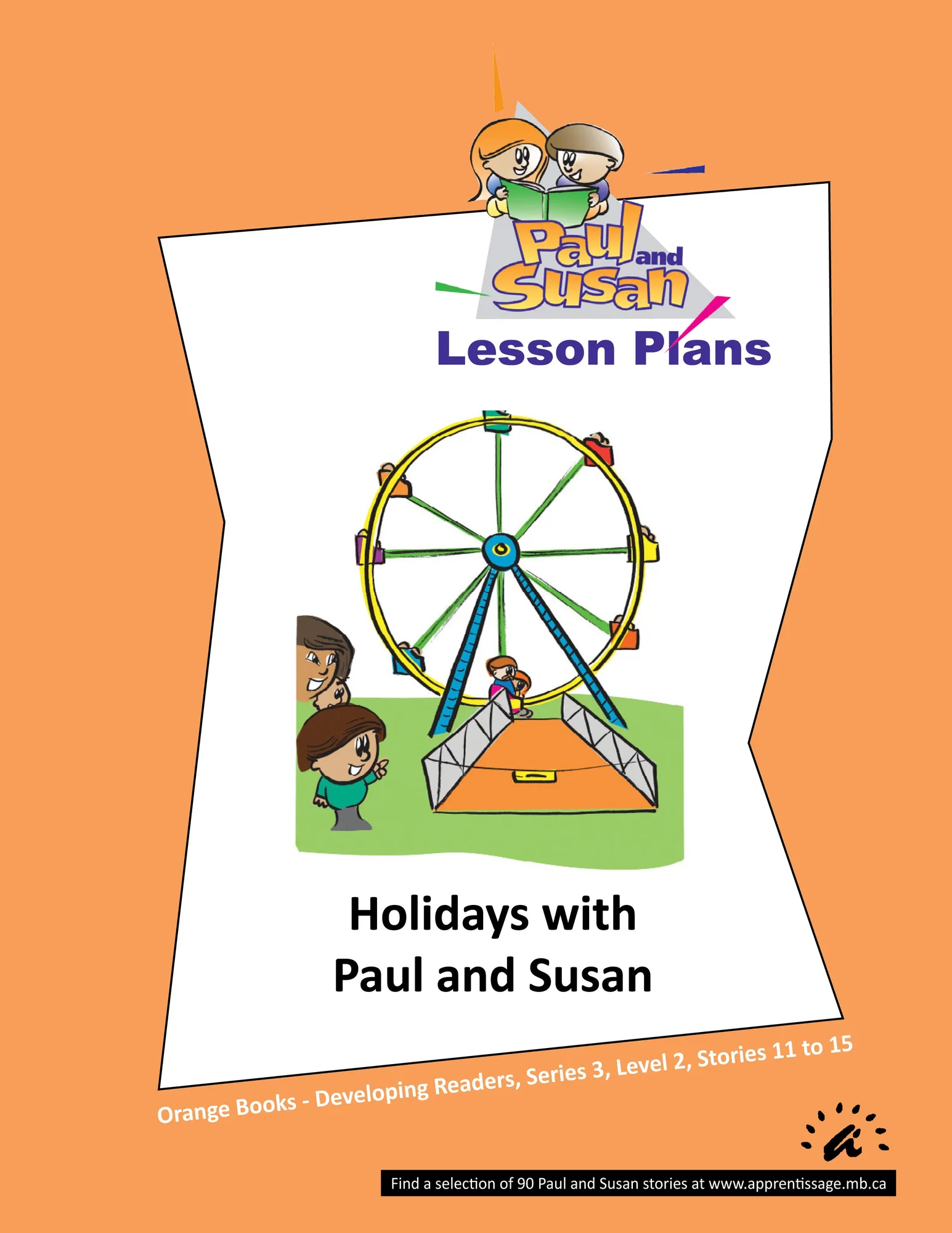
- Holidays with Paul and Susan - Lesson Plans: English-language resource includes 5 detailed lesson plans on English language development to go with the Holidays with Paul and Susan book. Activities, strategies and colourful handouts. Wonderful resource for ESL classes. These lesson plans can structure reading sessions around holidays, making daily reading festive and engaging for ESL learners.
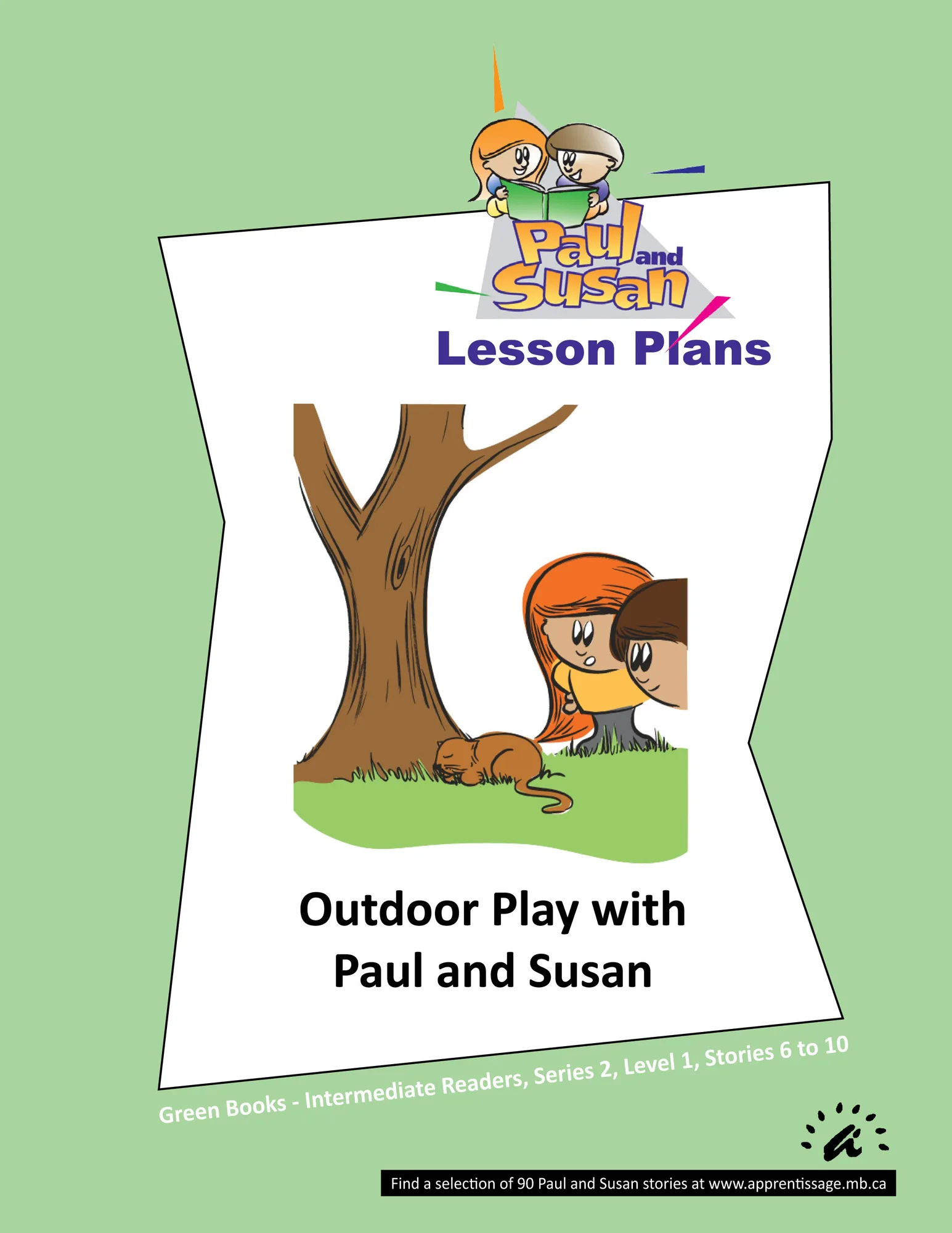
- Outdoor Play with Paul and Susan - Lesson Plans: English-language resource includes 5 detailed lesson plans on English language development to go with the Outdoor Play with Paul and Susan book. Individual audio ebooks also available. Intermediate reader. Pairing outdoor activities with these lesson plans encourages reading about play and nature, perfect for integrating literacy into active days.
Integrating reading into daily activities is about making small, consistent changes. By linking books to existing routines, creating inviting spaces, and modeling reading, you can help your child develop a lifelong love for books. Start with one step today and watch the habit grow.