Quick answer
Move from a sippy cup to a straw-lid water bottle gradually: keep the sippy cup for comfort at home, introduce the straw bottle during outings and at daycare, and let your child practice with water before you add milk or juice. A set that pairs a small kid cup with a larger insulated bottle, like the Kid's Sippy Cup and Wide Water Bottle Set, covers both stages without buying twice.
Why a straw lid is usually the next step after a sippy cup
A sippy cup teaches your child to tip and suck, but a straw lid asks for a different mouth position and a steadier grip. That is why the change can feel like a step backward for a week or two. A straw also lets your child drink without tilting the bottle overhead, which keeps more water in the cup and less on their shirt. If your child already uses a straw at a restaurant or from your own cup, that is a good sign they are ready to try a straw-lid bottle at home and at daycare.
Set up the swap so daycare and home match
Daycare providers often ask for a labeled, leak-proof bottle your child can open and close with little help. Before you buy anything, ask what they allow: some classrooms prefer a straw lid, others want a cup with a handle. A small kid cup with a straw lid and a larger insulated bottle can cover both a short daycare day and a longer weekend outing. Label every part, including the lid and straw, because those are the pieces that go missing first.
What to look for in a kid sippy cup set
The most useful sets include a smaller cup for practice and a larger bottle for longer outings, so you are not packing two unrelated products. Look for a cup that fits stroller and car seat cup holders, a splash-proof straw lid, and a bottle that keeps water cold for hours. Stainless steel and BPA-free materials matter because these items get dropped, chewed, and washed constantly. If a set does not list a specific cap or size, treat that as unknown rather than assuming it will fit your routine.
Keep the transition low-pressure
Offer the straw bottle at a time your child is already thirsty, such as after a walk or before a nap, rather than at a moment when they are tired or upset. Keep the sippy cup available for a few weeks so your child does not feel the change is a punishment. If your child refuses the straw, try a different color or let them carry the bottle themselves. Most children settle into a straw lid once they can do it without help.
Your step-by-step transition plan
- Step 1: Check your child's readiness signs: Watch for your child holding a cup with two hands, drinking from a straw without help, and showing interest in your water bottle. These signs usually appear before they can manage a full-size bottle alone. Common mistake: starting the switch during a big change like a new classroom or a new sibling. Wait for a calm week.
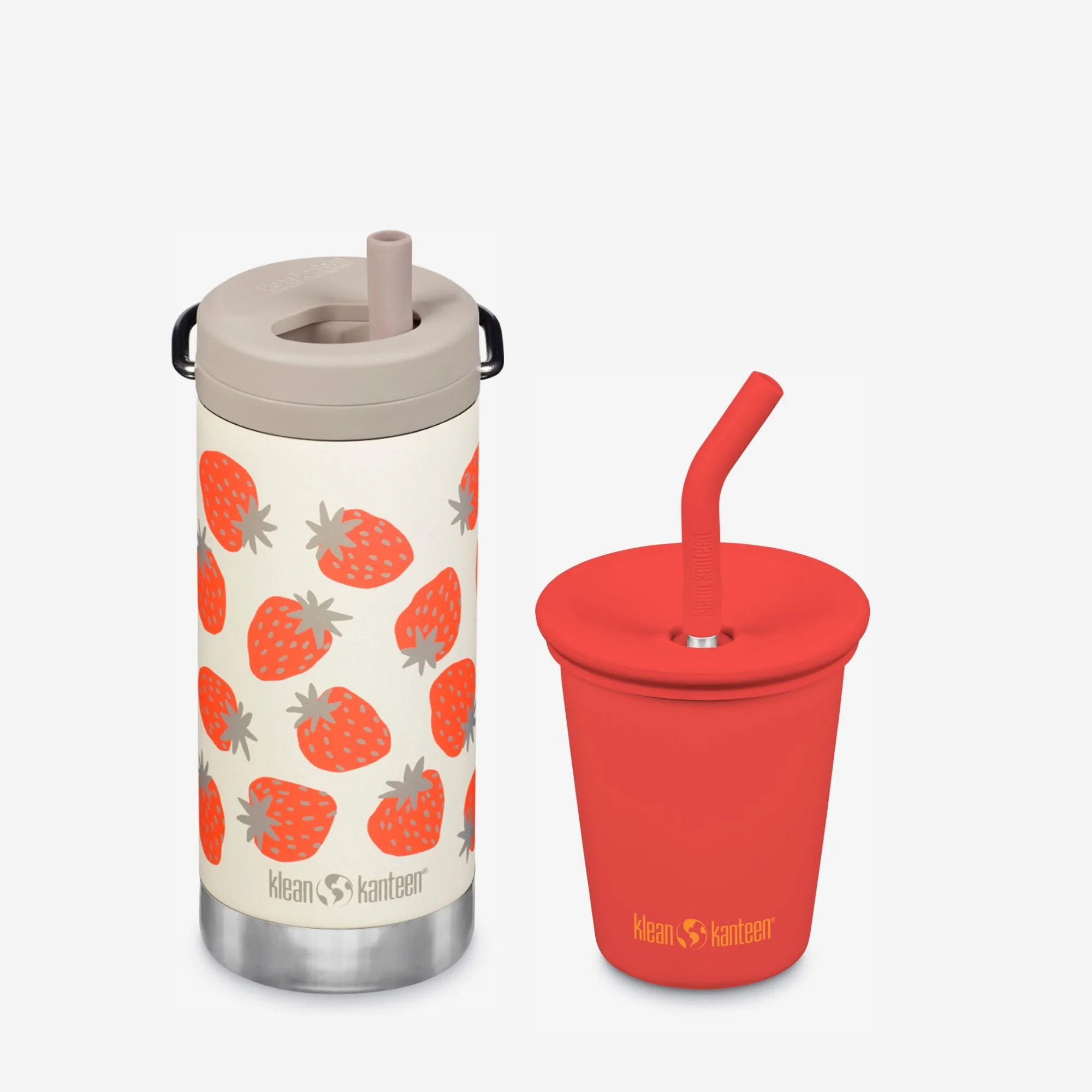
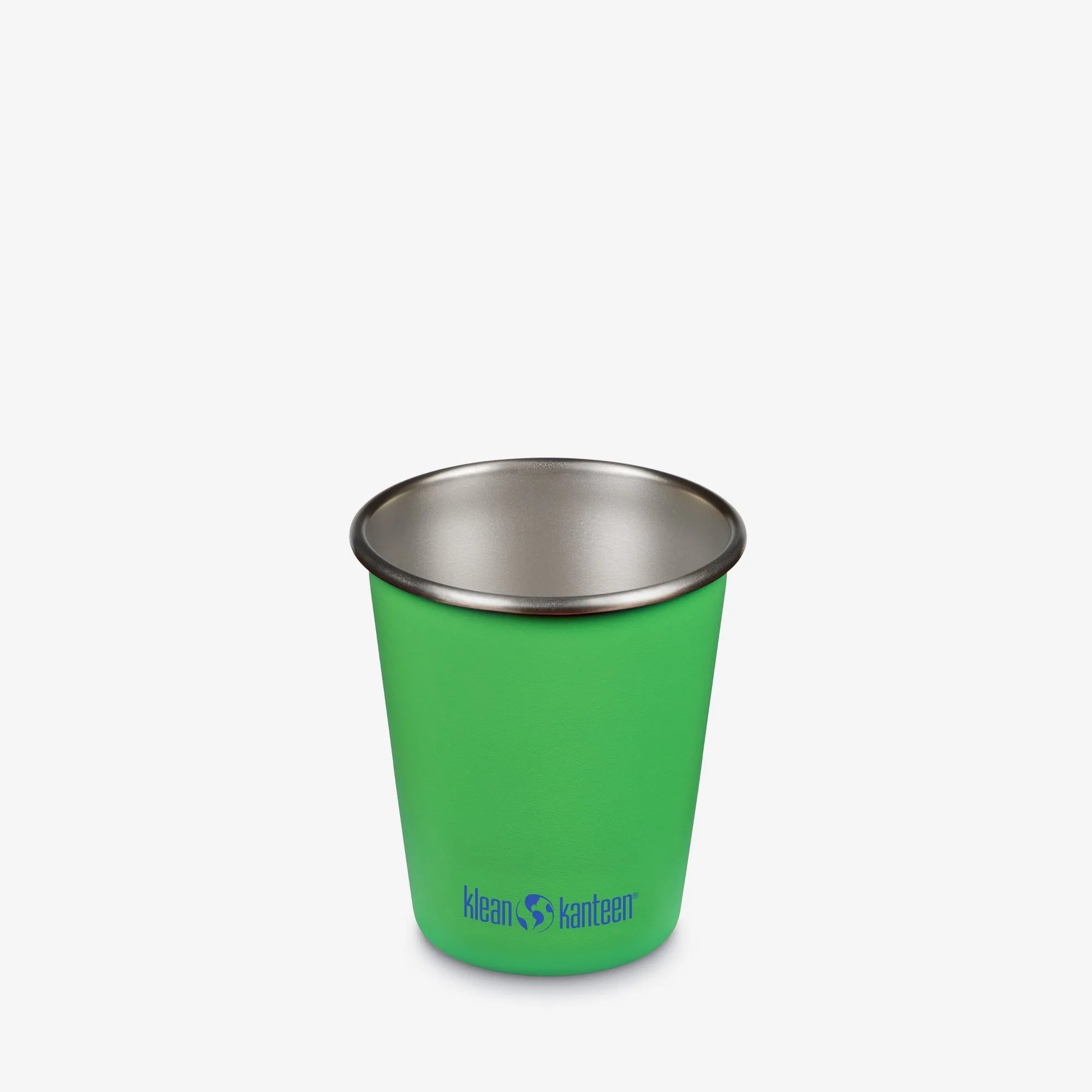
- Step 2: Pick one straw-lid cup and one bottle: Choose a small kid cup with a straw lid for practice and a larger insulated bottle for outings. The Kid's Sippy Cup and Wide Water Bottle Set pairs a 10oz cup with a 12oz TKWide bottle, which covers both jobs. Checkpoint: the cup should fit your stroller or car seat cup holder so it actually gets used.
- Step 3: Offer water first, not milk or juice: Fill the straw cup with water and offer it when your child is already thirsty. Water is easy to clean up and does not leave sticky residue in a straw or lid. Common mistake: filling a straw cup with milk and leaving it in a bag. If you use milk, rinse the lid and straw right away.
- Step 4: Practice at home before daycare: Use the straw cup at snack time for a few days so your child learns the mouth position. Then send the larger bottle to daycare once they can drink from it without spilling. Checkpoint: your child can open and close the lid with minimal help before it goes into a backpack.
- Step 5: Label everything and pack a backup: Write your child's name on the cup, bottle, lid, and straw. Send a spare straw or a second lid in the daycare bag, since those are the parts most often lost. Common mistake: labeling only the bottle. The lid and straw are the pieces that go missing first.
- Step 6: Keep the sippy cup for a few weeks: Leave the sippy cup available at home even after the straw bottle becomes the main option. A gradual handoff reduces resistance and lets your child choose. Next step: once your child asks for the straw bottle by name, you can retire the sippy cup.
Products that fit this transition
- Kid's Sippy Cup and Wide Water Bottle Set: The Kid's Sippy Cup and Wide Water Bottle Set includes a 10oz Kids Cup with a splash-proof Straw Lid and matching reusable straw, plus a 12oz TKWide Insulated Water Bottle with a leak-proof Twist Cap and built-in reusable steel straw. You get a smaller cup for early practice and a larger insulated bottle for daycare or outings, so you can move at your child's pace without buying two separate products.
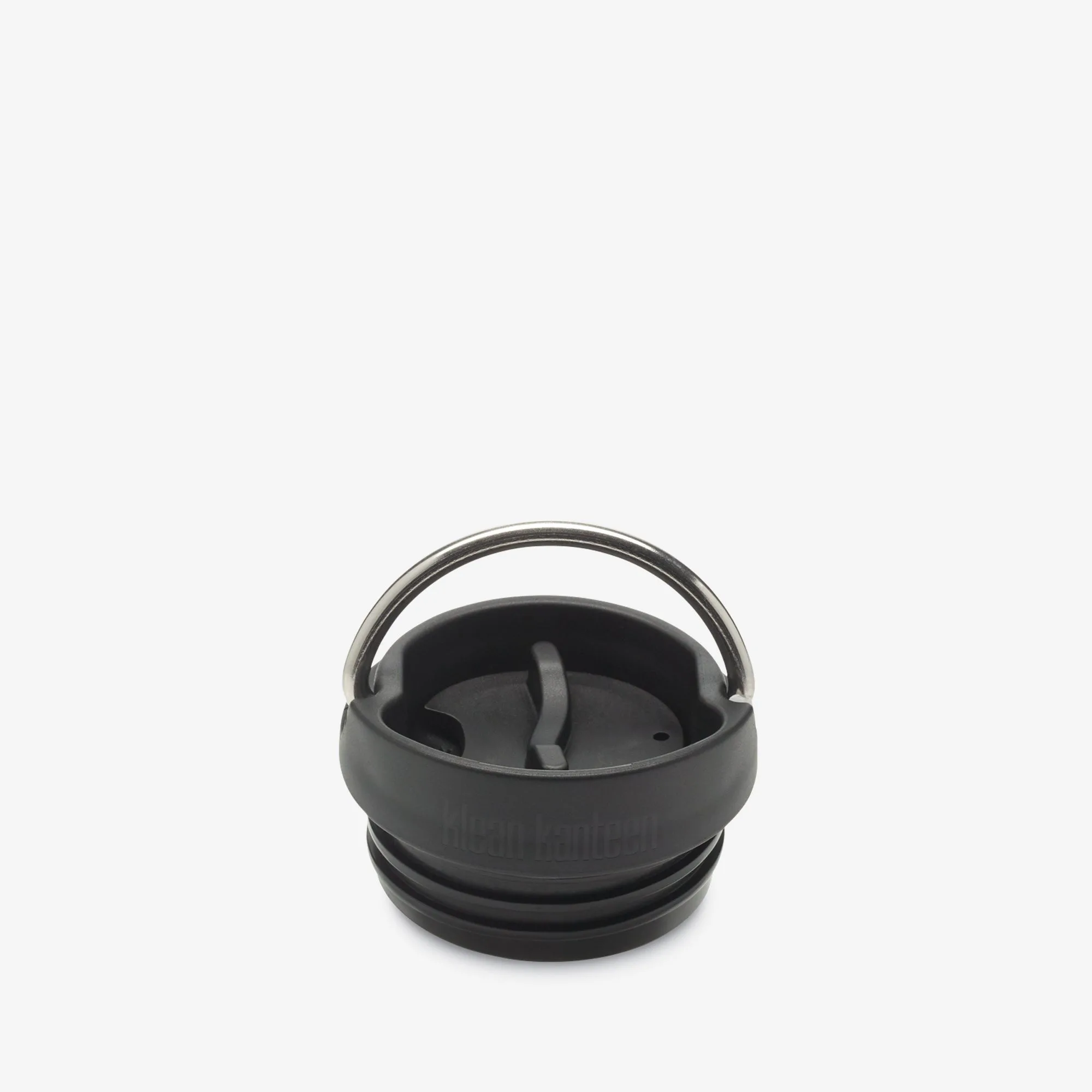
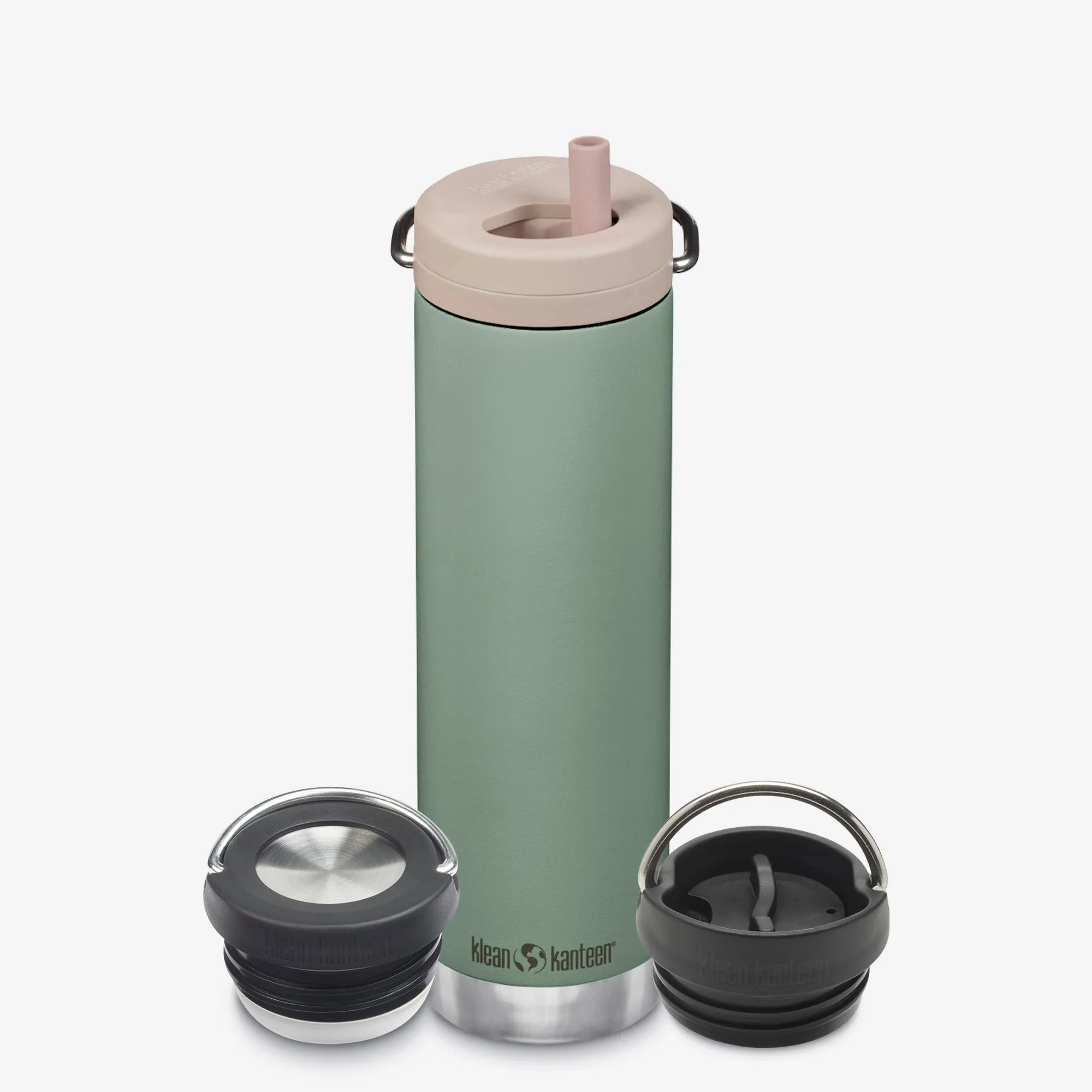
- 20oz TKWide - Made To Do More Bundle: The 20oz TKWide - Made To Do More Bundle includes three interchangeable caps, including a leak-proof Twist Cap with built-in reusable steel straw and a TKWide Café Cap. If your child drinks more than 12oz during a full daycare day, the larger bottle and extra caps let you switch setups as their routine changes.