Quick answer
Choose American ginseng if you want a cooling, gently bitter daily tea you can drink in the afternoon without feeling wired. Choose Korean red ginseng if you prefer a warming, earthy root you simmer into soups or drink in cold weather. Neither is universally better; the right pick depends on your body's tendency, the season, and how much prep time you have.
The core difference: warming vs cooling energy
In traditional Chinese medicine, ginseng is classified by its thermal nature. Korean red ginseng is warming, which is why it is often used in winter or by people who feel cold easily. American ginseng is cooling, making it a better fit for warm weather, people who run hot, or anyone who wants a gentler daily tonic. This single distinction drives most of the practical choices below.
Taste, prep, and daily routine
Korean red ginseng is usually sold as a dried root that you simmer for hours, or as a concentrated extract. It tastes earthy, slightly bitter, and warming. American ginseng is milder and slightly sweet-bitter; it is often sliced and steeped, or made into instant tea. If you want a no-fuss cup, an instant American ginseng tea is hard to beat. If you enjoy the ritual of simmering herbs, a Korean red ginseng root fits that habit.
How to read a label without guessing
Look for the words 'wild' or 'cultivated' and the origin. American ginseng from Wisconsin or Canada is common; Korean red ginseng is typically grown in Korea and steamed then dried, which gives it a red color. If a label does not state the form (root, powder, instant), assume you will need to do more prep. Also check the serving size: instant teas usually list one sachet per cup, while roots require you to measure grams and simmer.
What about herbal soup blends?
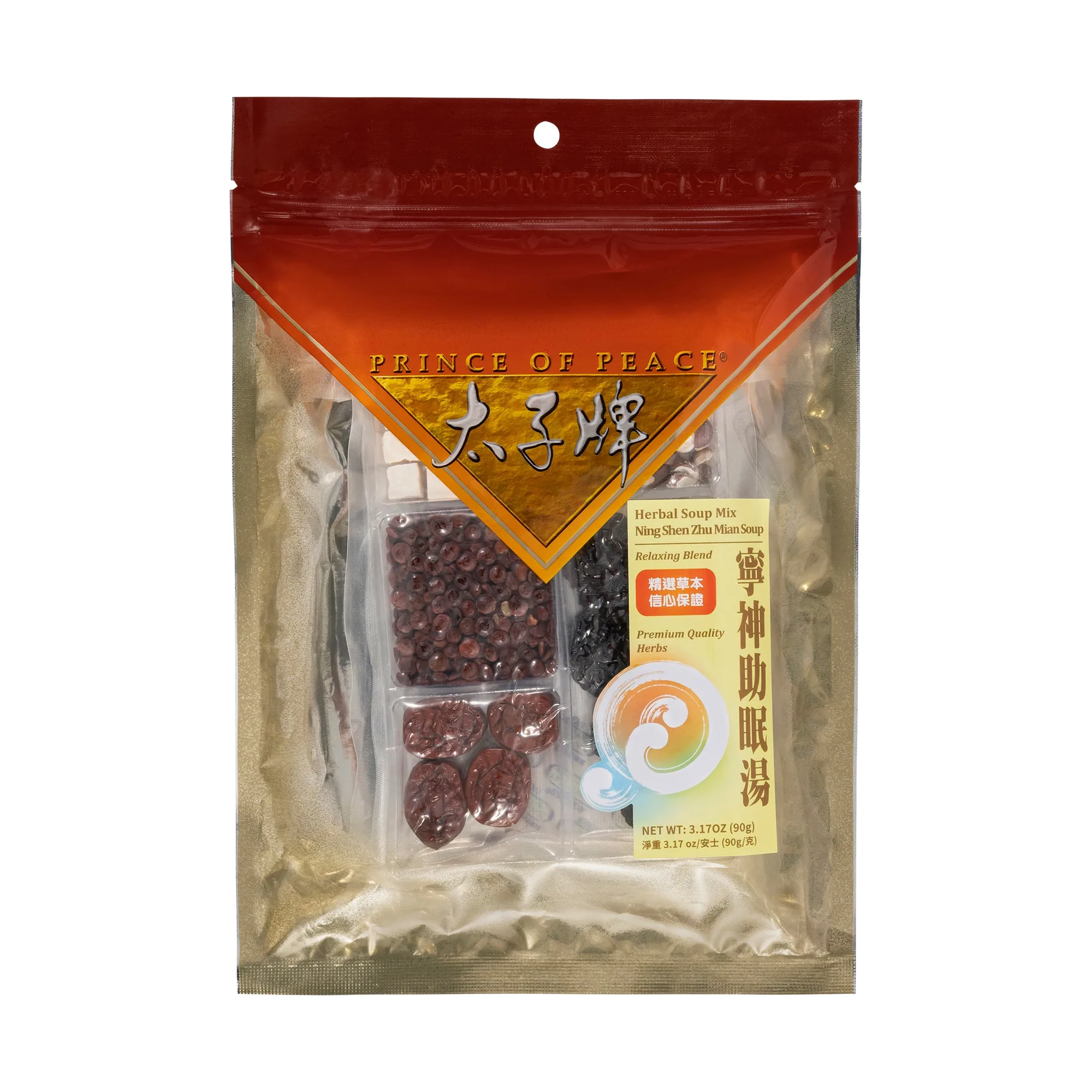
If you already make herbal soups, you may not need a straight ginseng root at all. Some soup mixes are designed for specific needs, like calming or digestive support, and they include other herbs alongside ginseng or instead of it. For example, a calming soup mix might use jujube and poria rather than ginseng. Read the ingredient list to see whether ginseng is actually present and in what form.
Trade-offs at a glance
- Korean red ginseng: Warming, earthy, often simmered for hours. Best in cold weather or for people who feel cold. Requires more prep time. Choose this if you want a warming ritual and do not mind simmering.
- American ginseng: Cooling, milder taste, available as instant tea or slices. Easy to drink daily, especially in warm weather or if you run hot. Choose this if you want a convenient, cooling daily cup.
- Herbal soup blends: Some contain ginseng, many do not. They offer a meal-like experience but may not deliver ginseng's specific properties. Check the ingredient list if ginseng is your goal.
Product facts to ground your choice
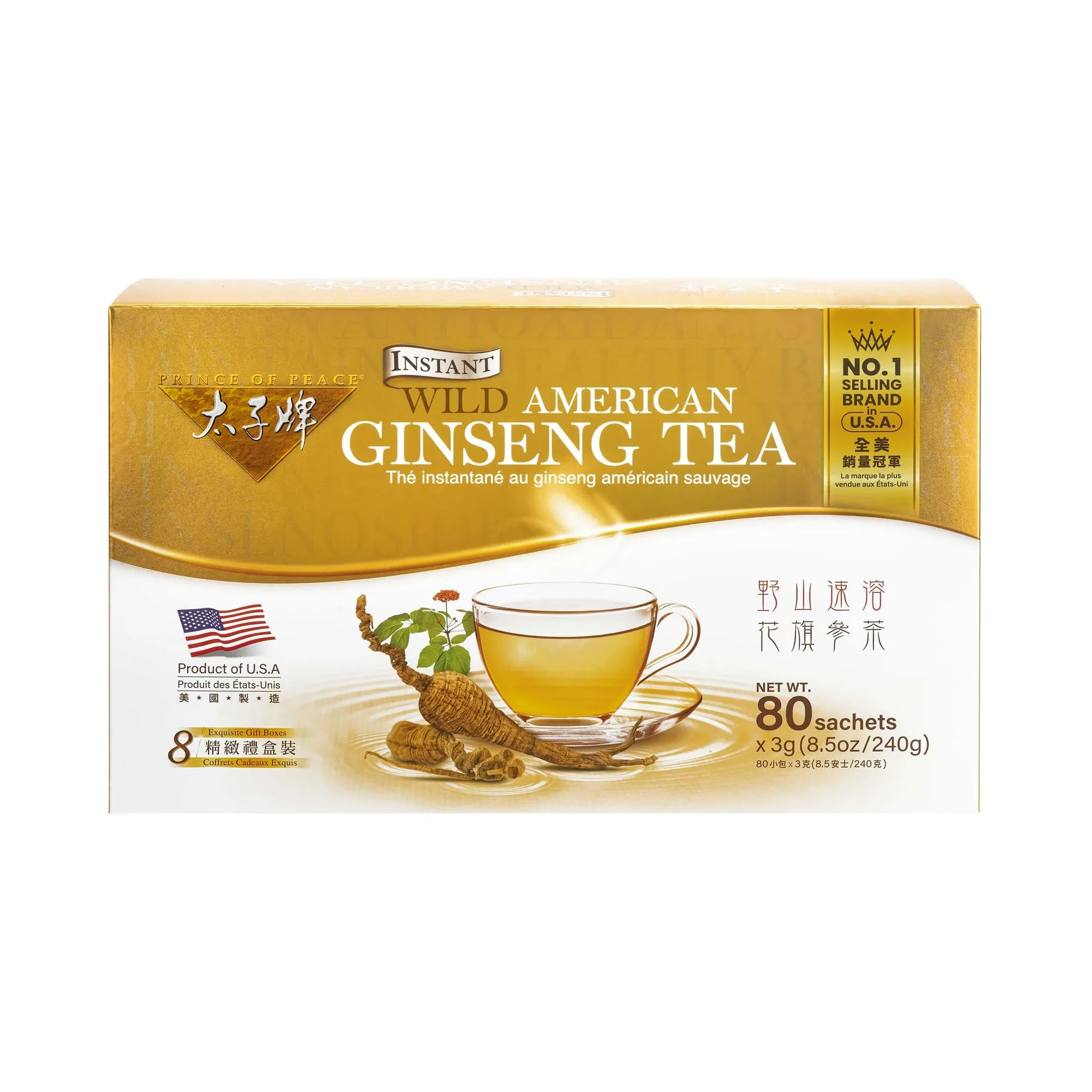
- Prince of Peace Wild American Ginseng Instant Tea, 80 sachets: Wild American Ginseng Instant Tea, 80 sachets, made from wild American ginseng and American ginseng roots. Contains ginsenosides, adaptogens that support fatigue and Yin-Yang balance. This is a cooling, convenient option if you want a daily cup without simmering roots. The 80-sachet box suits a steady routine.
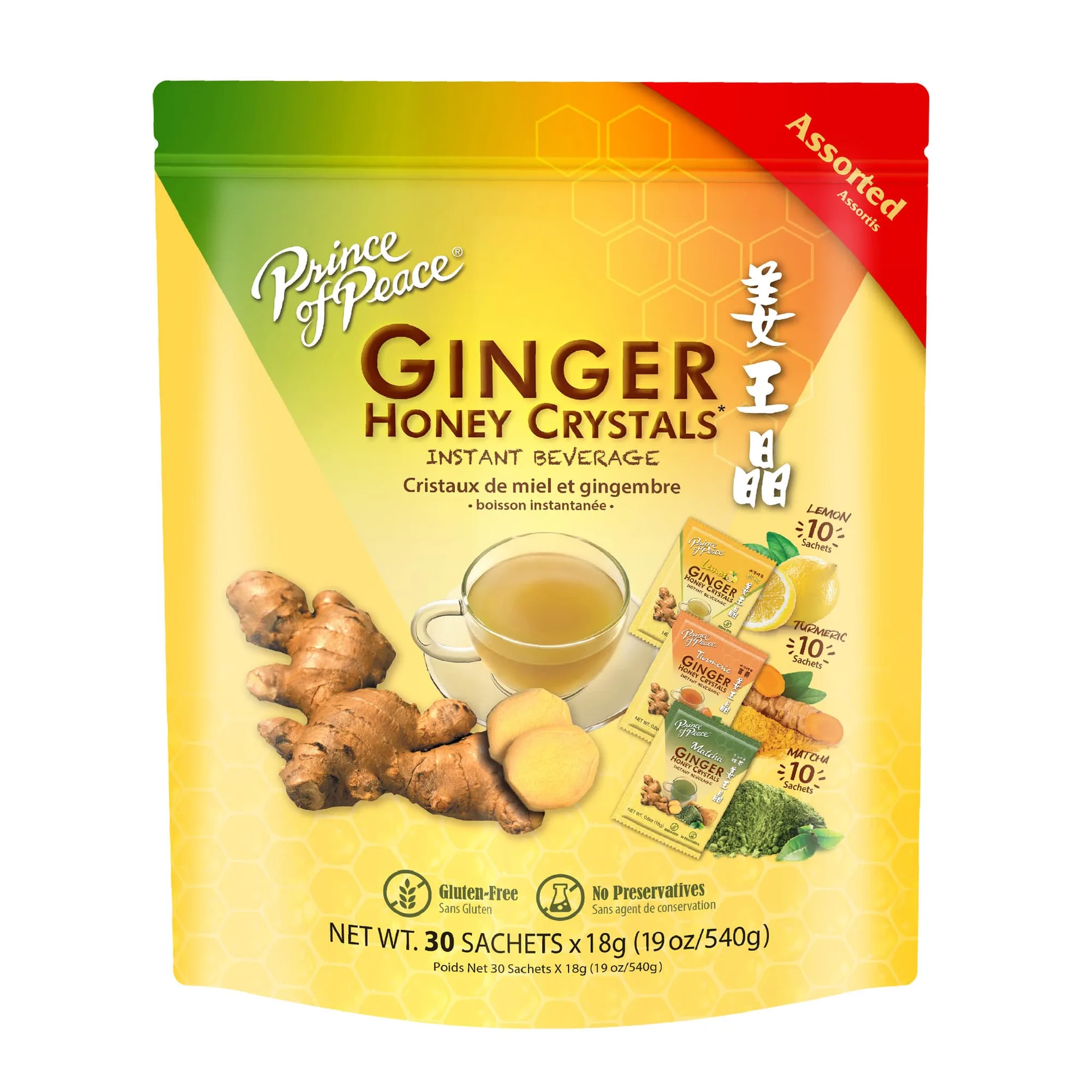
- Ginger Honey Crystal Assorted (Lemon, Turmeric, Matcha), 30 sachets: Ginger Honey Crystal Assorted (Lemon, Turmeric, Matcha), 30 sachets, gluten-free. Hot: 8–12 oz hot water per sachet; Iced: 4 oz water. If you want a warming, spicy drink but not ginseng, this variety pack gives you three flavors. It is not a ginseng product, so it works as a separate daily tea.
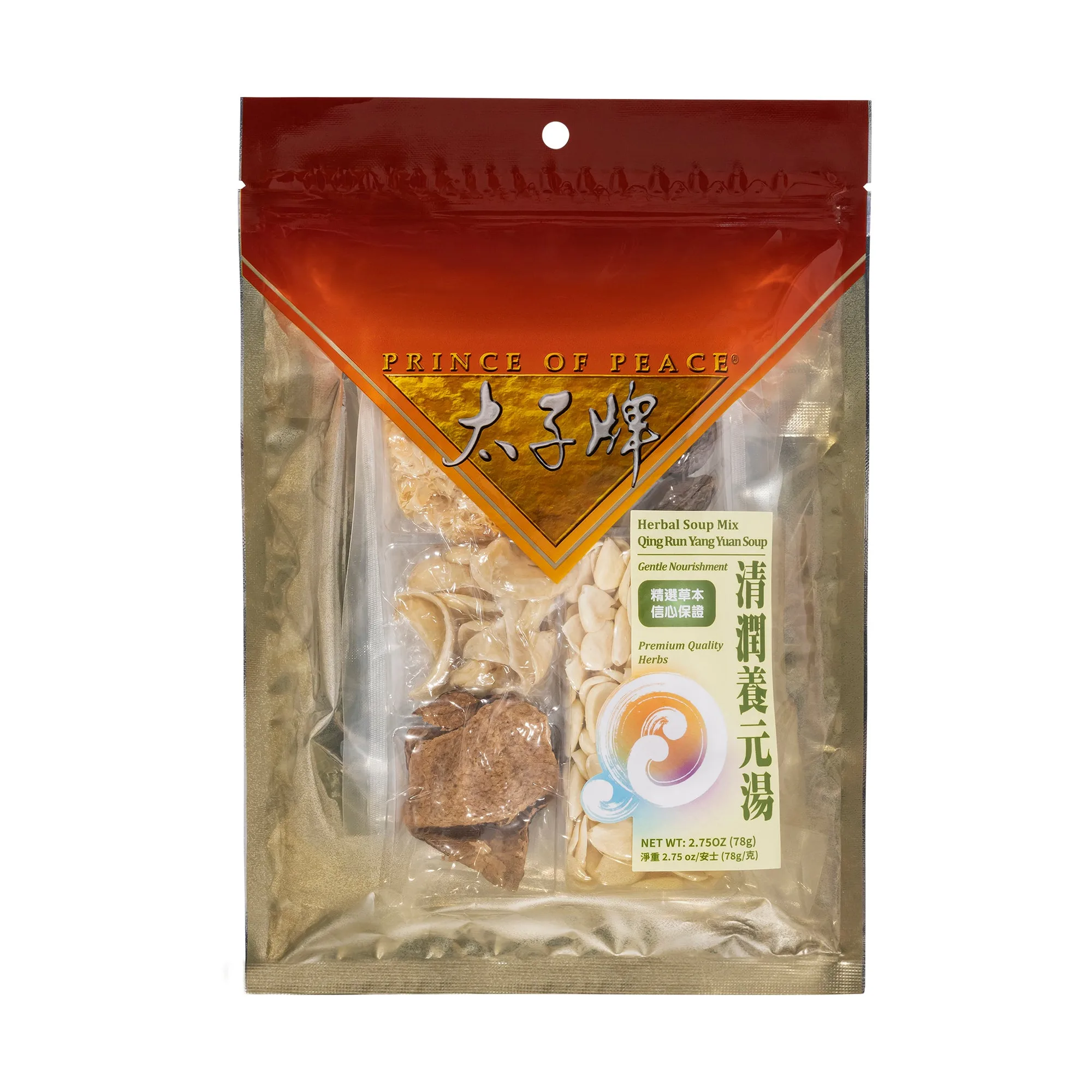
- Prince of Peace Qing Run Yang Yuan Soup, 78g: Qing Run Yang Yuan Soup, 78g. Simmer all herbs with 7oz lean pork and 8 cups water for 1.5–2 hours. Ingredients include apricot seed, lily bulb, and tremella. A soup mix for those who prefer a slow-cooked herbal meal. It does not list ginseng, so it is not a substitute for a ginseng root or tea.
- Prince of Peace Ning Shen Zhu Mian Soup, 90g: Ning Shen Zhu Mian Soup, 90g. Simmer herbs with 5 cups water for 35 minutes. Ingredients include poria, jujube, and ziziphus spinosa. A faster soup option focused on calming herbs, not ginseng. Useful if your goal is relaxation rather than energy.
Which one fits you?
Best for
- People who want a convenient, cooling daily tea and prefer not to simmer roots
- Those who feel warm easily or live in a hot climate
- Anyone looking for a gentle adaptogen to support fatigue
Not for
- People who want a warming, earthy root to simmer in soups
- Those who prefer a strong, traditional red ginseng taste
- Anyone expecting a soup mix to replace ginseng without checking ingredients