Quick answer
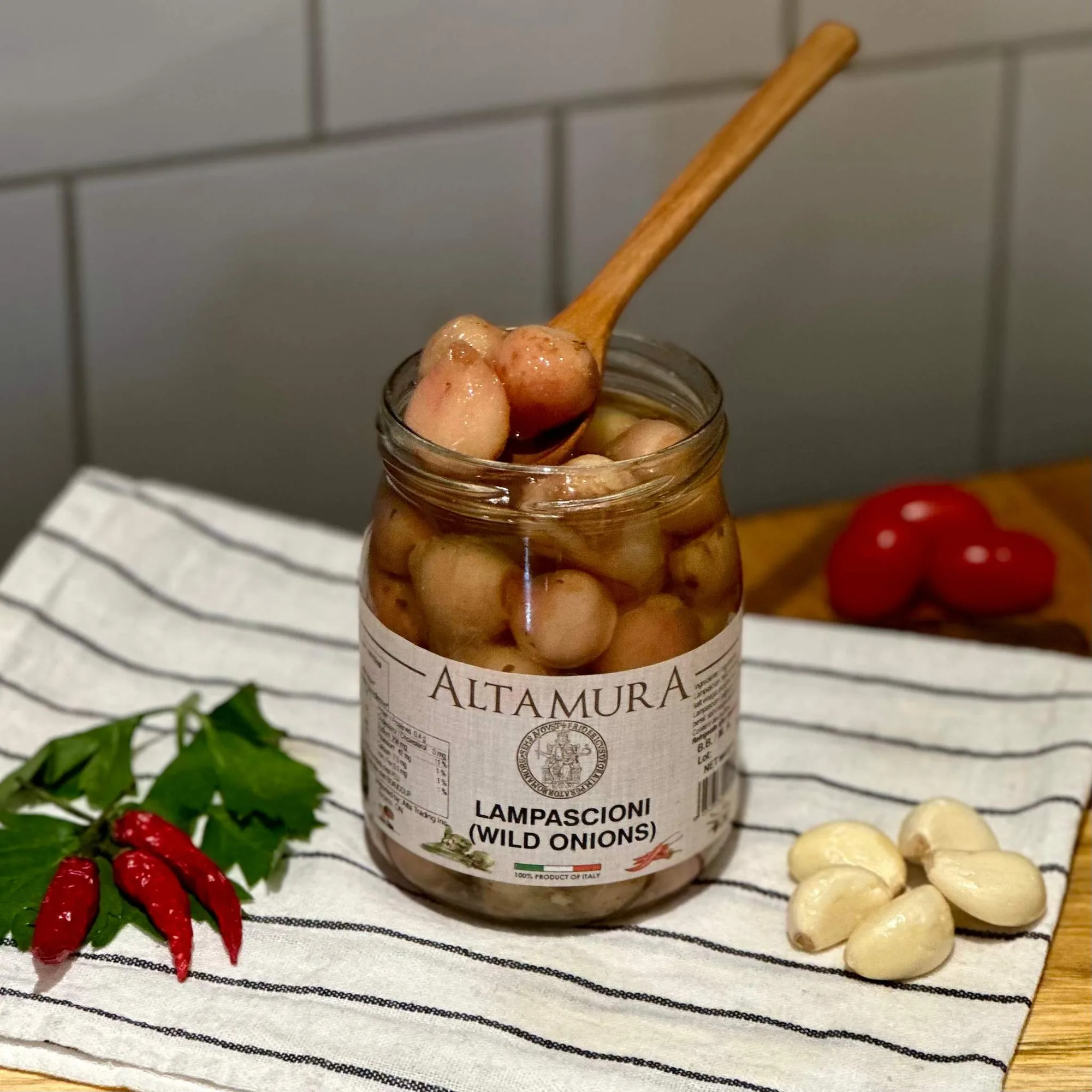
Lampascioni are small, bitter wild onions (Muscari comosum bulbs) from Puglia, Italy. Treat them like a bitter vegetable: peel away the dark outer skins, blanch them in acidulated water to tame the bitterness, then braise, roast, or marinate them. Start with a 580g jar of Lampascioni (Wild Onions) if you want to taste the real thing before cooking from scratch.
What lampascioni actually are
Lampascioni are the bulbs of a wild hyacinth relative, not a true onion. They look like tiny onions but taste distinctly bitter, with a texture closer to a small shallot or pearl onion once cooked. In Puglia they are a traditional winter and spring vegetable, often braised with olive oil and bay leaf or preserved in oil and vinegar. The bitterness is the point: it cuts through rich meat dishes and makes them a classic antipasto.
The flavor is assertive, so they are rarely eaten raw. Cooking in water with a splash of vinegar or lemon tames the bitterness and softens the bulb. If you buy them already prepared, such as the Altamura Lampascioni from Tre Mari Bakery, the prep is done for you and you can focus on serving.
How to prep fresh lampascioni
Fresh lampascioni need cleaning before cooking. The outer skin is dark and papery, and the bulbs often have a small root end and a tough top. Work over a bowl of cold water so the bulbs do not discolor. Peel off the dark outer layers until you reach the pale, creamy bulb underneath. Trim the root end but keep the bulb intact, and cut away any tough green tops.
As you peel, drop the cleaned bulbs into cold water with a squeeze of lemon or a tablespoon of vinegar. This stops them from turning brown. Expect some loss: a kilo of fresh bulbs yields less after peeling. If you are short on time or want consistent results, a jar of prepared lampascioni removes this step entirely.
Blanching to control bitterness
Boil the peeled bulbs in plenty of water with a tablespoon of vinegar or lemon juice for 10 to 15 minutes, until a knife slides in easily but the bulb still holds its shape. Drain and taste one. If it is still aggressively bitter, blanch again in fresh acidulated water for another 5 minutes. This is the step that makes or breaks the dish: undercooked lampascioni stay harsh, overcooked ones turn to mush.
Do not skip the acid. Plain water leaves the bitterness sharper. The vinegar or lemon also helps the bulbs keep a pale color.
Three ways to cook them
Braised: warm olive oil in a pan, add the blanched bulbs, a bay leaf, a pinch of salt, and a splash of water or stock. Cover and cook gently for 15 to 20 minutes until tender and glossy. Finish with lemon zest or chopped parsley. This is the most traditional Pugliese treatment and works well as a side for roasted meat.
Roasted: toss blanched bulbs with olive oil, salt, and pepper, spread on a sheet pan, and roast at 200°C (400°F) for 20 to 25 minutes until edges caramelize. The bitterness mellows and the natural sugars come forward. Serve hot or at room temperature.
Marinated: combine blanched bulbs with good olive oil, red wine vinegar, garlic, and oregano. Refrigerate for at least a few hours, preferably overnight. This makes a sharp, make-ahead antipasto that improves after a day or two. If you are using jarred lampascioni packed in oil or vinegar, drain them and dress with fresh oil and herbs rather than cooking them again.
Serving them as an appetizer
Lampascioni shine on an antipasto plate next to cured meats, sharp cheese, and crusty bread. Their bitterness balances fatty salumi and creamy cheeses. For a simple lampascioni appetizer, spoon marinated bulbs into a shallow bowl, add a few torn basil leaves, and serve with toothpicks or small forks. They also work chopped into a warm potato salad or folded through scrambled eggs.
If you are serving the Diplomatico Cake afterward, keep the appetizer light and acidic so the dessert's vanilla and chocolate custards feel balanced rather than heavy. A small portion of lampascioni is enough; their flavor is strong.
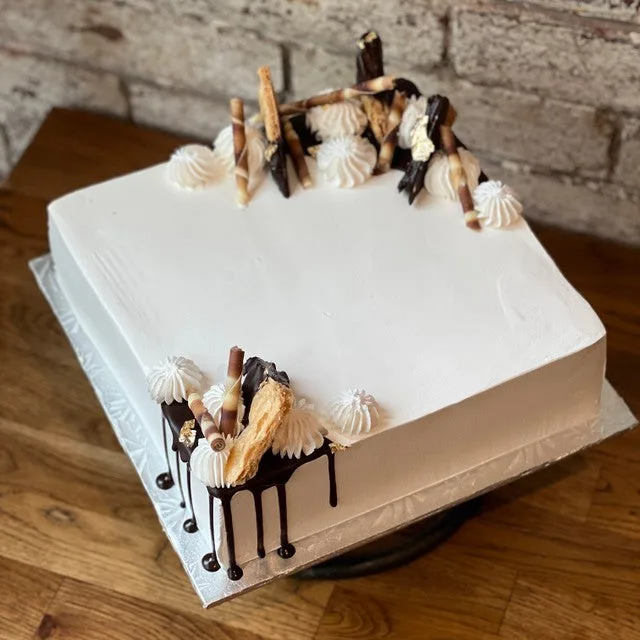
Diplomatico Cake
How to cook lampascioni: step by step
- Peel and trim: Remove the dark outer skins and root ends, dropping each peeled bulb into cold acidulated water as you go. Checkpoint: the bulbs should be pale and creamy, not brown. If they brown, the water needs more lemon or vinegar.
- Blanch in acidulated water: Boil the bulbs in water with a tablespoon of vinegar or lemon juice for 10–15 minutes, then drain and taste. Mistake to avoid: boiling in plain water, which leaves the bitterness harsh. Blanch again if needed.
- Choose your finish: Braise with olive oil and bay, roast at 200°C (400°F), or marinate with oil, vinegar, garlic, and oregano. Checkpoint: the bulbs should be tender but intact. If they are falling apart, reduce the cooking time next round.
- Serve as an antipasto: Serve warm, at room temperature, or chilled with cured meats, cheese, and bread. A small portion goes a long way. Next step: if you want to skip prep, open a jar of prepared lampascioni and dress them with fresh oil and herbs.
Product facts
- Lampascioni (Wild Onions): Lampascioni (Wild Onions), 580g, from Altamura, priced at USD 9.19. A 580g jar is enough for several appetizer servings or a side dish for four, and it lets you skip the peeling and blanching steps.