Quick answer
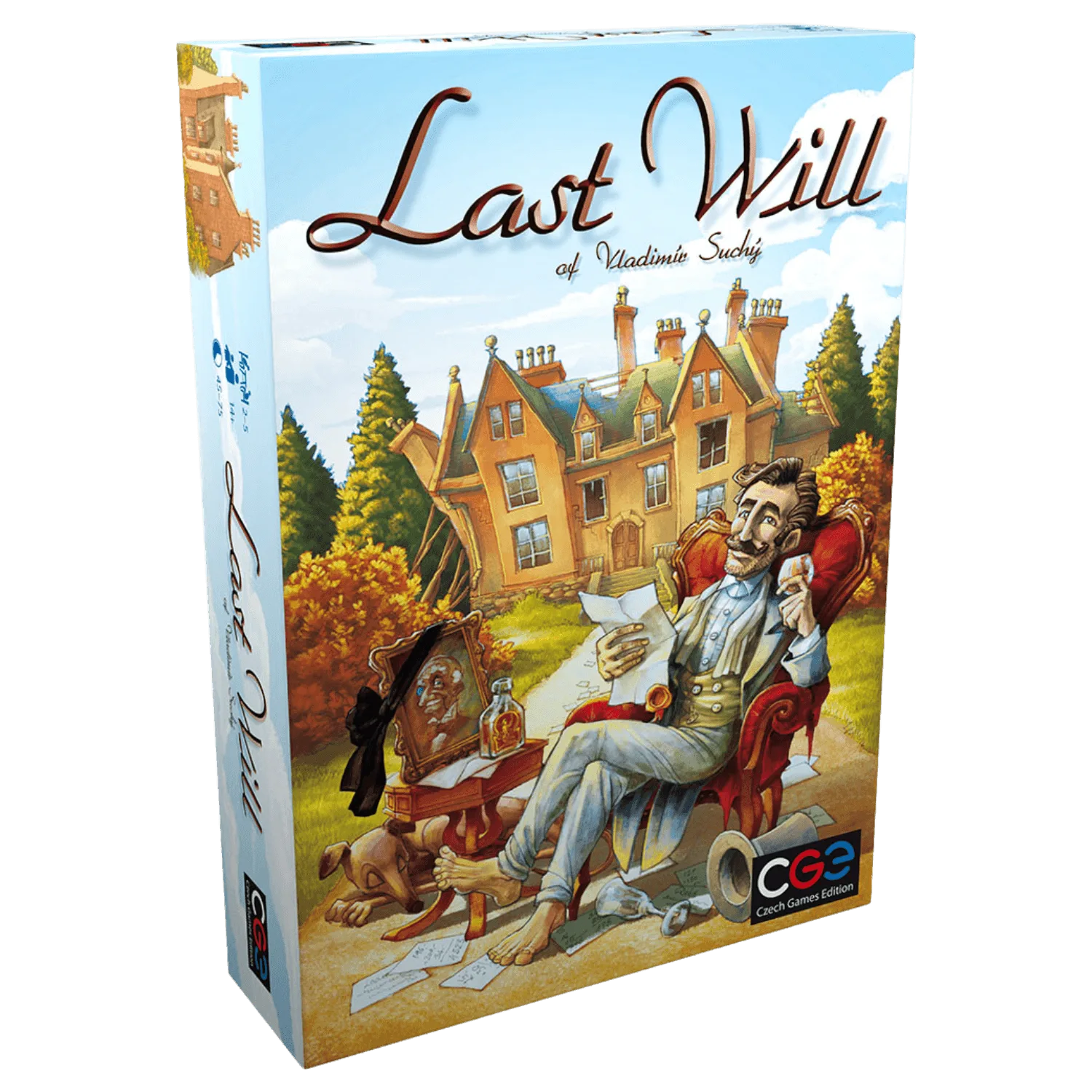
Last Will is worth it if your group enjoys euro board games with a sharp twist: you win by going bankrupt first, not by hoarding money. It suits 3–5 players who like planning under time pressure and don't mind a race to spend. Skip it if your table prefers low-conflict engine building or games where money is the goal.
The core twist: winning by losing money
Most worker placement board games reward efficiency and saving. Last Will flips that: you start with money and must waste it as fast as possible. Each round you choose a plan for the day, which sets how many options you have and how much time you get for them. If you don't give yourself enough options, you might finish the day with nothing to do after attending the theatre. If you don't set aside enough time, you may have to skip dinner prepared by London's most famous chef or a carriage ride. That double constraint—options and time—is the game's real puzzle.
Player count and interaction
Last Will works best with 3–5 players. With two, the race feels looser and the plan-selection tension drops. At four or five, competition for the best money-wasting events and spaces tightens, which is where the game shines. There's no direct combat, but you're racing the same opportunities, so interaction is indirect but constant.
How it compares to other euros on your shelf
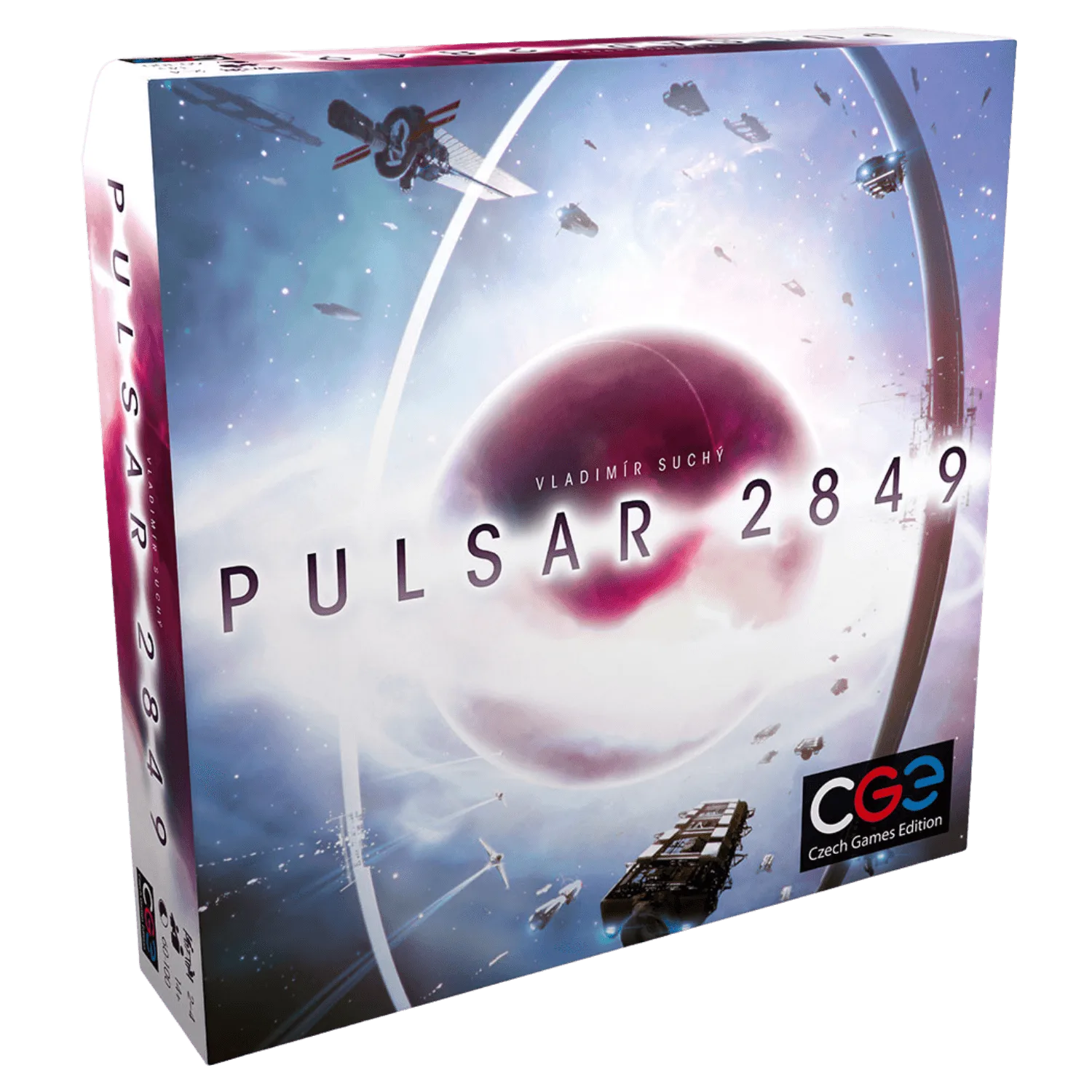
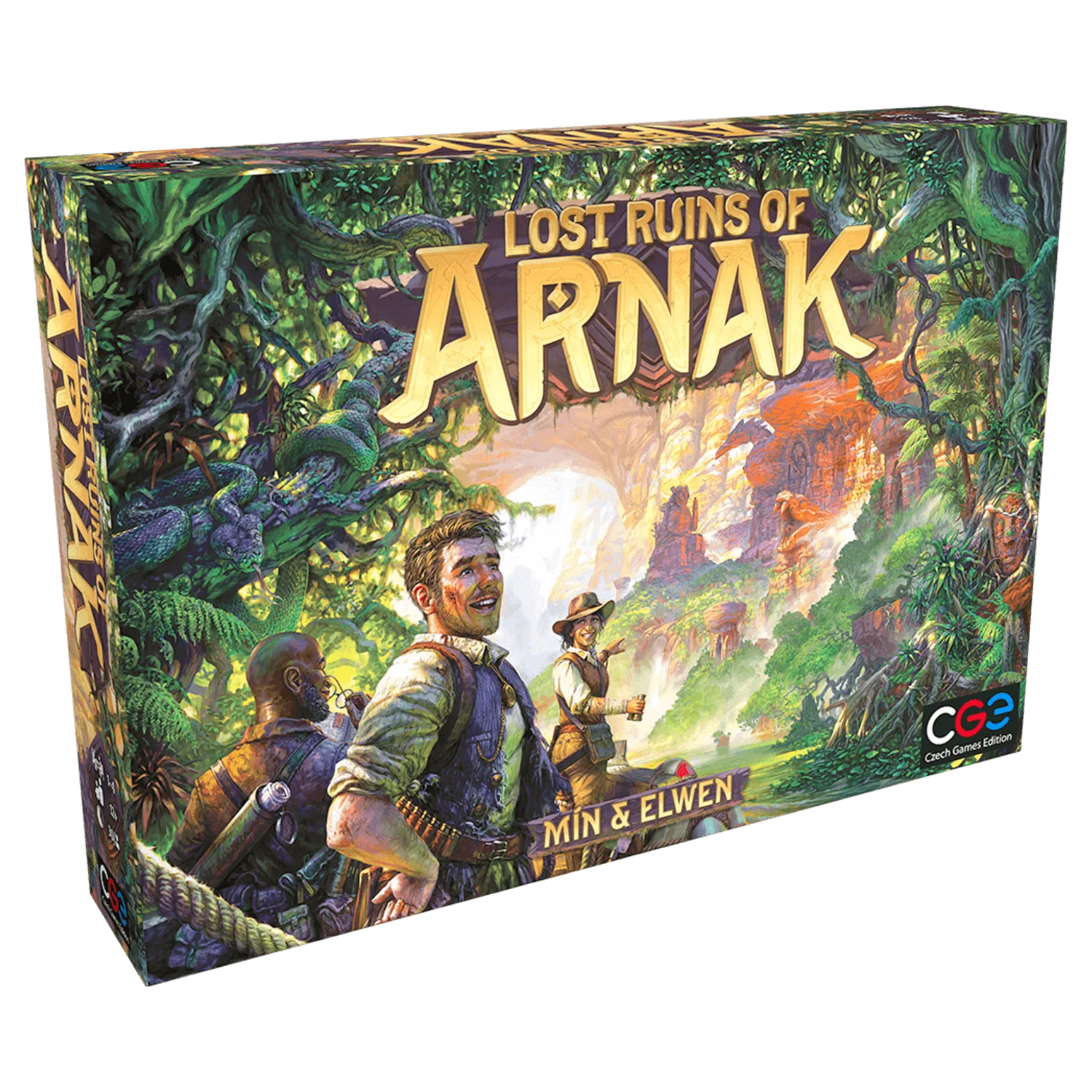
If your group already enjoys Lost Ruins of Arnak, you know the pleasure of combining deck building, worker placement, and resource management. Last Will is lighter on deck building but heavier on timing and planning. Pulsar 2849 uses dice to purchase actions from a communal pool and offers many paths to victory; Last Will gives you fewer paths but more pressure per turn. Both are euro-style, but Last Will is the more focused, almost comedic race.
What you need to know before buying
Last Will is a race to bankruptcy, so the theme is light and humorous rather than heavy economic simulation. The rulebook and plan cards are language-dependent, so if your group struggles with English text on cards, plan for a teach. There are no miniatures or upgraded components in the base game; if you want to bling out a different title, look at SETI: Upgraded Components for metal credits and acrylic energy tokens—but that's a separate game.
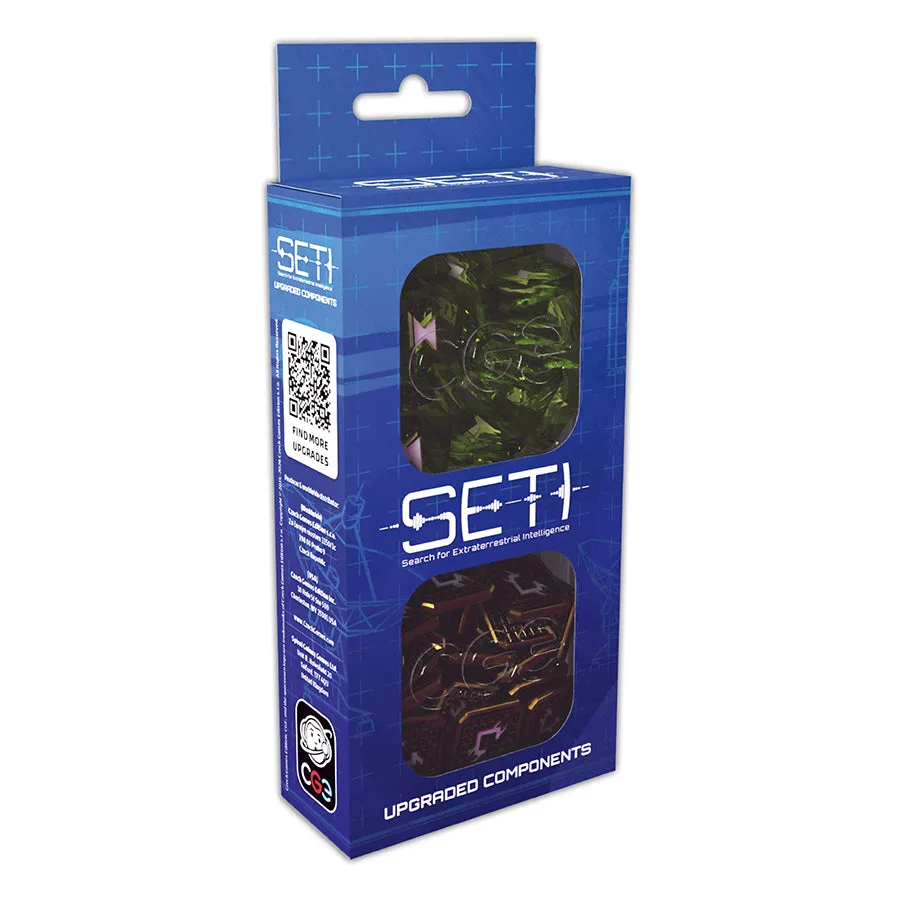
SETI: Upgraded Components
Decision rules for Last Will
- If your group loves tight time-pressure puzzles: Last Will's plan-and-time system forces you to balance how many options you take against how much time you have. Groups that enjoy planning under constraints will click with this immediately. Buy it if you want a euro that feels like a race, not a spreadsheet.
- If your group prefers low-conflict engine building: Last Will has indirect competition for spaces and events, but no direct attacks. If your table dislikes racing for the same spots, this may frustrate. Consider Lost Ruins of Arnak or Pulsar 2849 for more solitaire-style optimization.
- If you usually play with two players: Last Will is playable with two, but the tension drops because fewer players compete for the same plan options and time slots. It's best at three or more. Skip it for two-player-only tables unless you want a lighter race.
- If you want a game with lots of paths to victory: Last Will gives you a clear goal—go bankrupt first—and fewer strategic routes than Pulsar 2849. That focus is a feature for some groups and a limitation for others. Choose Pulsar 2849 if you want replayability through varied strategies.
Last Will at a glance
- Last Will: Last Will is a race to bankruptcy where each round you choose a plan that determines how many options and how much time you have. This is the game's core decision: you're not optimizing for money, you're optimizing for spending it fast enough while still having legal moves.
- Lost Ruins of Arnak: Lost Ruins of Arnak combines deck building, worker placement, and resource management on an uncharted island. If your group already likes Arnak's mix of mechanisms, Last Will offers a different flavor of worker placement with a sharper timing puzzle.
- Pulsar 2849: Pulsar 2849 is a Euro-style game where dice are used to purchase actions from a communal pool and there are many paths to victory. Pulsar 2849 gives you more strategic variety; Last Will gives you a tighter, more thematic race. Choose based on whether your group prefers breadth or focus.
Who should buy Last Will?
Best for
- Groups of 3–5 who enjoy euro games with a humorous theme and tight timing decisions
- Players who already like worker placement and want a fresh twist on the genre
- Tables that don't mind indirect competition for limited actions
Not for
- Two-player-only groups looking for a tense duel
- Players who prefer low-conflict, solitaire-style engine building
- Groups that want many distinct strategic paths to victory