Quick answer
Most loose leaf teas taste best within 6–12 months of opening, and green and herbal blends fade fastest. If your tea smells flat, looks dull, or tastes papery, it is stale—replace it rather than trying to revive it. Only mild staleness from poor storage can be corrected; once the leaf itself has oxidized or absorbed odors, no brewing tweak will bring it back.
What actually shortens loose leaf tea shelf life
The enemies are oxygen, light, heat, moisture, and strong odors. Green tea loses its fresh, grassy edge first because its leaves are minimally oxidized; herbal blends with dried fruit, citrus peel, or spices lose their aromatic oils next. Black and heavily roasted teas hold up longer, but they still fade. A sealed, opaque tin in a cool cupboard buys you months; a clear jar on a sunny shelf costs you weeks.
How to test a tea you already own
Start with your nose: open the pack and breathe in. Fresh tea smells like the thing it is—grassy, floral, citrusy, minty. Stale tea smells like hay, cardboard, or nothing at all. Next, rub a few leaves between your fingers; they should feel dry but not brittle enough to shatter into dust. Finally, brew a small cup exactly as you normally would. If the liquor is pale and the flavor disappears after one sip, the leaf is spent.
What you can fix and what you cannot
You can fix weak aroma caused by a loose lid or a humid week: move the tea to an airtight container, keep it away from the stove and spices, and use it within a month. You cannot fix tea that has gone flat from age, absorbed garlic or coffee odors, or grown visibly moldy. If you see clumps, fuzz, or a musty smell, throw the whole batch out—do not taste it to check.
Stale tea diagnosis: symptom, cause, action, stop point
- Flat aroma, no scent when you open the pack: Oxygen has oxidized the aromatic oils, usually after months in a loosely closed bag or tin. If the leaf also looks dull, replace it. If it still looks vivid, try a sealed container and finish it within two weeks.
- Papery or cardboard taste in the cup: The leaf has absorbed moisture and lost its volatile compounds; this is common in green and herbal blends kept near a kettle or window. Do not increase the amount or steep longer—that adds bitterness, not flavor. Replace the tea.
- Musty, sour, or off-smell, or visible clumps: Moisture has allowed mold or bacteria to grow, often after storage in a humid kitchen. Discard the entire pack immediately. Do not taste it, and do not try to dry it out.
Blends to check against these signs
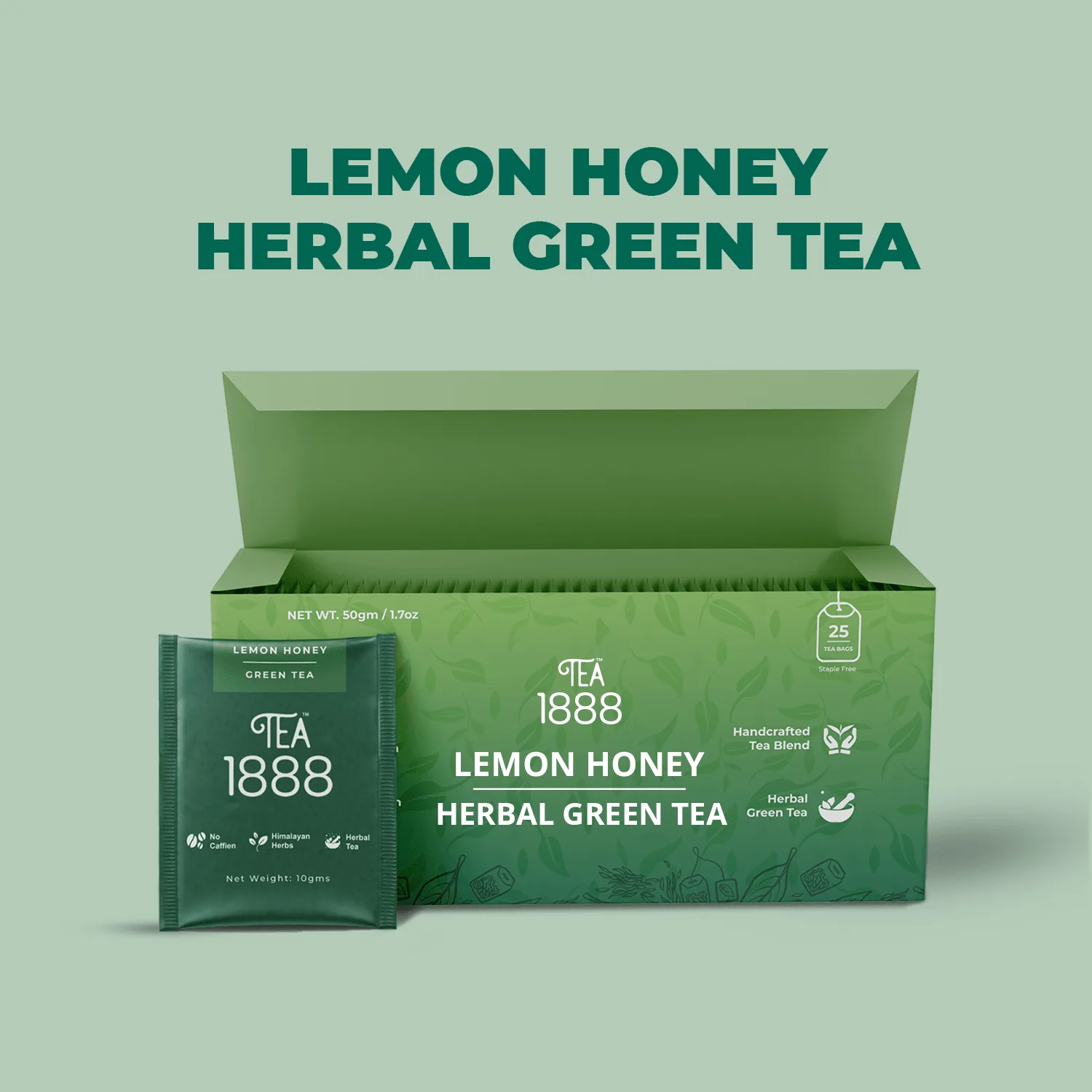
- Lemon Honey Green Tea: Lemon Honey Green Tea pairs green tea leaves with lemon peel and honey, so its bright citrus and grassy notes fade faster than a plain black tea. If the lemon smells like candy rather than fresh zest, or the green base tastes like hay, replace the pack instead of adding more leaf.
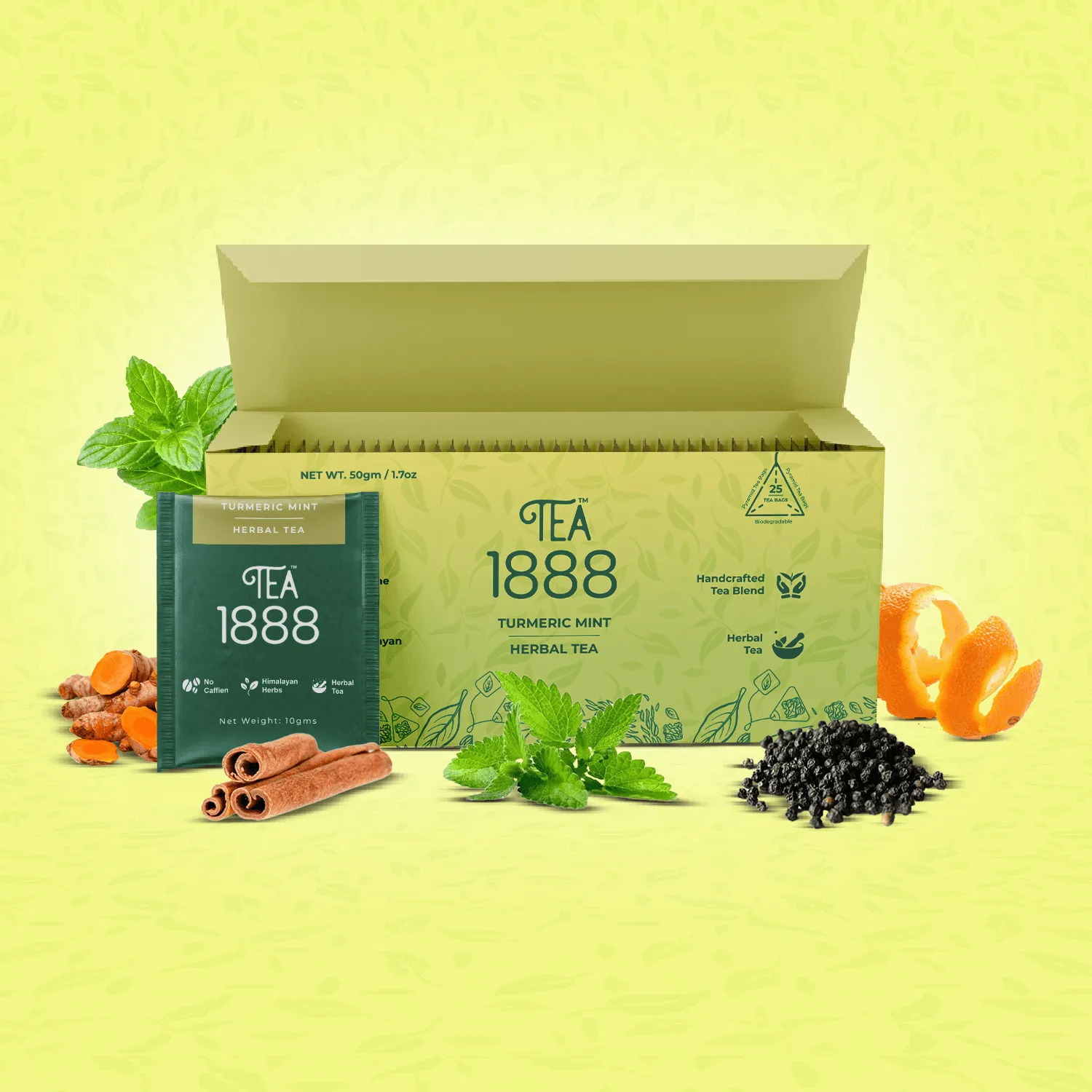
- Turmeric Mint - Herbal Tea: Turmeric Mint Herbal Tea is caffeine-free and combines turmeric, spearmint, peppermint, orange peel, lemongrass, cinnamon, and black pepper. The mint and citrus oils are the first to go flat; once the aroma turns dusty, the blend will not recover with a longer steep.
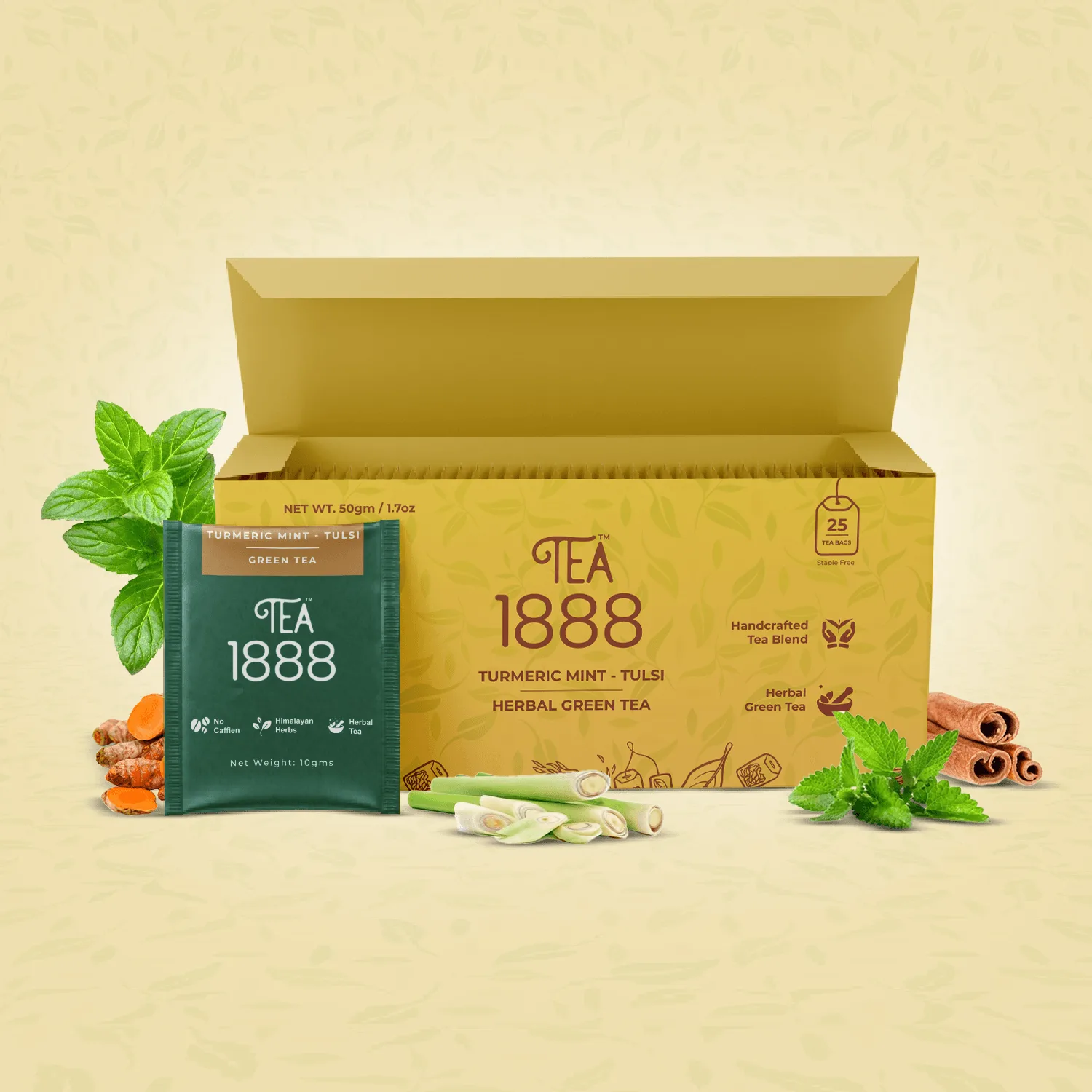
- Turmeric Mint - Tulsi Green Tea: Turmeric Mint Tulsi Green Tea blends green tea, turmeric, mint leaves, and tulsi. Because green tea and fresh mint both fade quickly, this is a blend to buy in a size you will finish within a few months, not a year.