Quick answer
Most magnetic fishing toy problems come down to three causes: dirt or corrosion on the magnet face, heat and stacking that weaken or dislodge magnets, and pieces that simply get scattered. Wipe magnets dry after every use, store the set flat in a small box with fish and poles separated, and treat a magnet that no longer grabs as a replacement decision rather than a repair project.
Start with the magnet face, not the magnet
Before you assume a magnet has failed, look at the contact point. On a set like On the Way Games Magnetic Go Fishing, the pull comes from a small magnet meeting a metal target on each fish. A film of dust, sand, or dried juice is enough to cut that contact and make the pull feel weak. Wipe both surfaces with a barely damp cloth, dry them completely, then test again on a hard flat surface where you can feel the actual grab.
Water play is fine for the plastic bodies, but standing water is not fine for the magnet itself. If the set has been in a water table or bathtub, tip the poles and fish upside down and let them air dry fully before they go back in the box. Trapped moisture is what turns a light surface film into rust, and rust is what kills the pull for good.
Store flat, store separate, store dry
The single biggest cause of premature failure is storage under pressure. A bin packed with other toys, a hot car trunk, or a stack of heavy books can push magnets out of their seats or let a pole bend until the magnet no longer lines up with the fish. Keep the set in its own small container, lay it flat, and put the poles beside the fish rather than on top of them.
Heat matters as much as weight. Adhesive and press-fit magnets soften in a hot car, so a magnetic fishing set is a poor candidate for a glovebox or a garage shelf in summer. A cool, dry drawer or a closet shelf at room temperature is the right home. If you want a single rule: if you would not store chocolate there, do not store the magnets there.
Cleaning without wrecking the finish
Painted fish and printed details do not respond well to scrubbing. Use a soft cloth with mild soap and water, rinse quickly, and dry immediately. Skip abrasive sponges, alcohol, and bleach-based sprays, which dull paint and can degrade the plastic over time. For sticky residue, a dab of cooking oil on a cloth lifts it without attacking the finish, followed by a soap-and-water wipe.
If the set lives with toddlers, clean it more often but more gently. A quick wipe after each session prevents the buildup that causes weak pulls in the first place, and it keeps the toy out of mouths in a cleaner state. Never submerge a pole in soapy water and leave it to soak; the magnet housing is not designed to sit in liquid.
When pieces go missing
Lost fish are the most common complaint with any fishing game, and they are usually a storage problem, not a play problem. A set with no dedicated home loses a piece every few weeks. Give the game one labeled container, do a piece count before it goes away, and keep a spare fish in the box if the set allows it. A missing fish rarely ruins the game, but a missing pole does, so the poles deserve the protected spot in the container.
If you are choosing a set for a child who loses small parts, favor one with fewer, larger pieces. On the Way Games Magnetic Go Fishing is built around magnetic poles and fish that catch with satisfying pulls, which keeps the part count low and the pieces chunky enough to spot under a couch. That design choice does more for longevity than any cleaning routine.
Safety checks that take ten seconds
Run a quick inspection before each play session. Press each magnet with your thumb to confirm it is seated, tug the pole tip to make sure nothing is loose, and check for cracks around the magnet housing. A magnet that can be pushed out or a pole tip that wiggles is a stop-play signal, especially around children who still mouth toys.
Small magnets are a genuine hazard if they come free, so a set that has started shedding magnets should be retired rather than glued back together at home. Household adhesive is not a reliable fix for a toy that will be pulled, dropped, and chewed. If a magnet is exposed or missing from its housing, remove the piece from play and replace the set.
Diagnose the problem before you fix it
- Weak pull, magnet still seated: Dirt, dried residue, or a thin rust film on the magnet face or the fish target. Wipe both with a barely damp cloth, dry fully, and retest on a flat surface. If the pull returns, the problem was surface contamination. If it does not, move to the next diagnosis.
- Weak pull after heat or heavy storage: The magnet has shifted, the pole has bent, or adhesive has softened from heat or pressure. Check alignment by holding the pole straight against a fish. A bent pole or shifted magnet is not a home repair. Replace the set.
- Magnet loose, exposed, or missing: The housing has cracked or the press fit has failed. This is a safety issue, not a performance issue. Stop play immediately and remove the piece from the home. Do not glue and reuse.
- Pieces keep disappearing: No dedicated container, no piece count, or too many small parts for the child's age. Fix storage first. If losses continue, choose a set with fewer, larger pieces.
Product facts worth knowing
- On the Way Games Magnetic Go Fishing: On the Way Games Magnetic Go Fishing is a portable set with magnetic poles and fish that catch with satisfying pulls, sized for road trips, tablets, and quick play breaks. The compact format is exactly what makes it easy to store flat and keep dry, which is the core of magnetic fishing toy care.
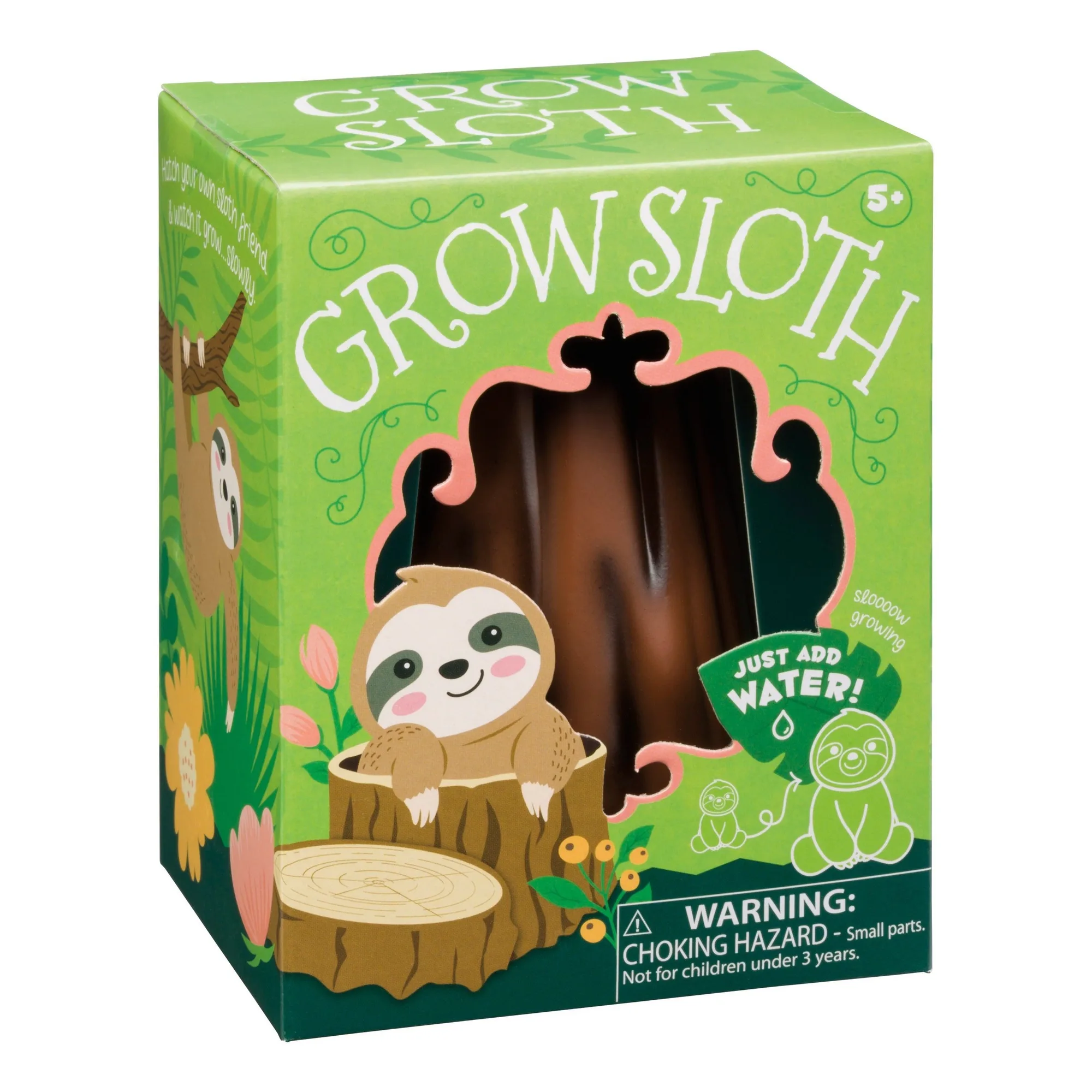
- Toysmith Grow Unicorn: Toysmith Grow Unicorn is a water-activated toy that grows over 48-72 hours and needs no batteries. If your child enjoys water play, keep grow toys and magnetic fishing sets in separate containers so the fishing magnets never sit in standing water.