Quick answer
A meal replacement shake works best when you need a fast, consistent, portion-controlled meal with a known protein and calorie profile; whole food wins when you want fiber, volume, and the micronutrients that come from varied ingredients. For most busy professionals, the smart move is not either/or: use a ready-to-drink meal replacement like Orgain 30g High Protein Shake when time is tight, and keep whole-food meals as your default. If you are choosing shakes for weight loss, the shake's low sugar and fixed calories can help, but whole food usually keeps you full longer.
Macronutrients: where shakes and whole food differ
Shakes give you a predictable macronutrient profile in seconds. For example, Orgain 30g High Protein Shake in Vanilla Bean provides 30g of dairy isolate milk protein, 5g of BCAAs, and only 1g of sugar per 11 Fl Oz serving. That is a high-protein, low-sugar option that fits keto-friendly and gluten-free diets. Whole-food meals can hit the same protein numbers, but you have to plan, cook, and portion them, and the sugar and fat content varies with how you prepare them.
The trade-off is control versus variety. Shakes win on control: you know exactly what you are getting, which matters if you are tracking protein for weight loss or muscle recovery. Whole food wins on variety: different foods bring different fibers, phytonutrients, and textures that a single shake cannot replicate. If you replace every meal with a shake, you may miss out on the chewing and satiety that whole food provides.
Fiber, fullness, and the hunger question
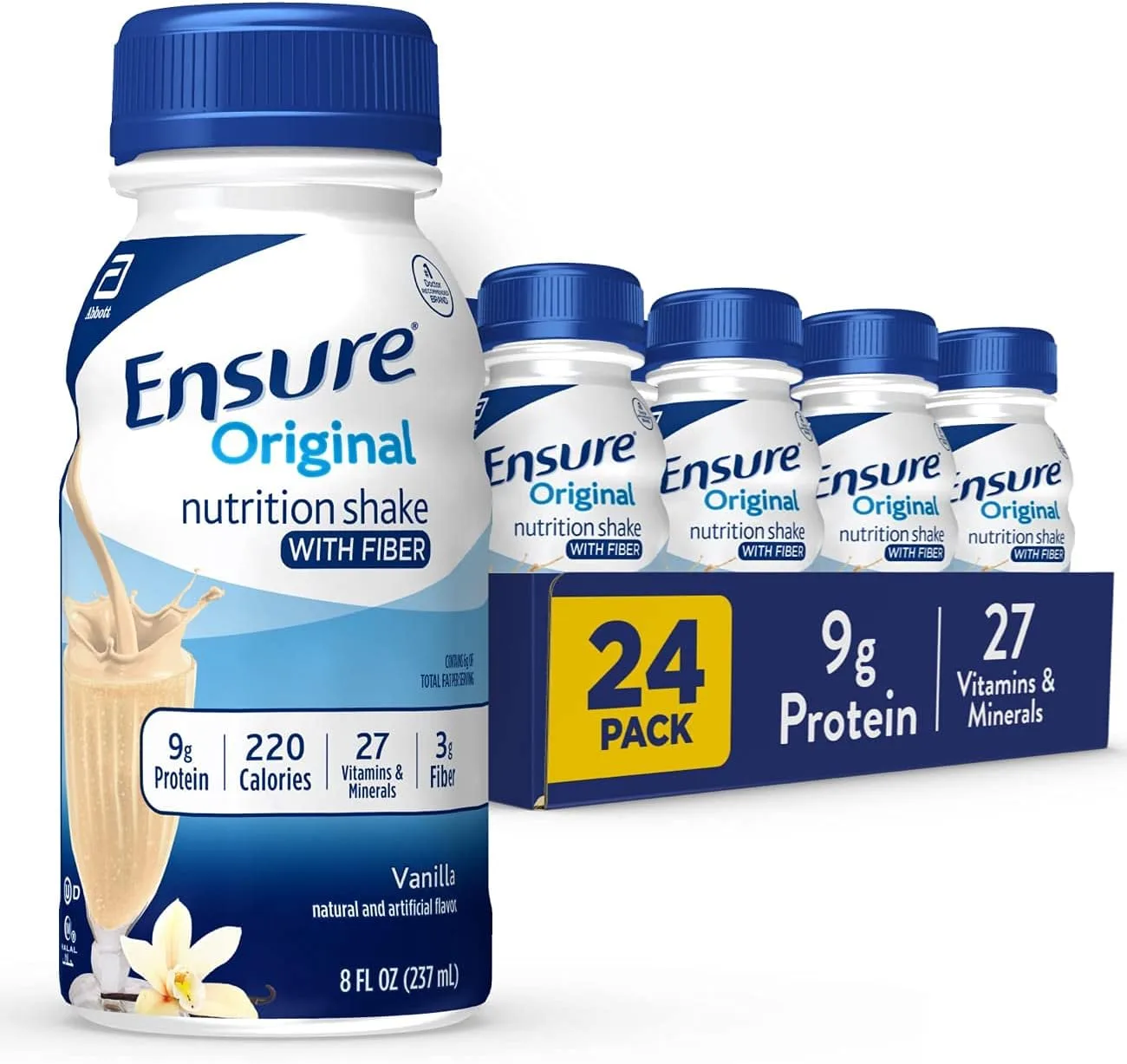
Liquid calories empty from the stomach faster than solid food, so a shake can leave you hungry sooner. That is why some ready-to-drink options add fiber: Ensure Plus Vanilla Nutrition Shake with Fiber delivers 16g of protein and 27 essential vitamins and minerals per 8 Fl Oz bottle, plus fiber to support fullness. It is a practical choice when you need a balanced mini-meal but cannot sit down to eat. Still, the fiber in a shake is not the same as the fiber matrix in beans, vegetables, or whole grains, which also add volume and chewing time.
If your goal is weight loss, the shake's fixed calories and low sugar can make it easier to stay in a deficit, but whole food often wins on satiety per calorie. A useful compromise: use a shake for the meal you most often skip or rush, and keep at least one whole-food meal with vegetables and a lean protein daily.
Convenience, cost, and real-world use
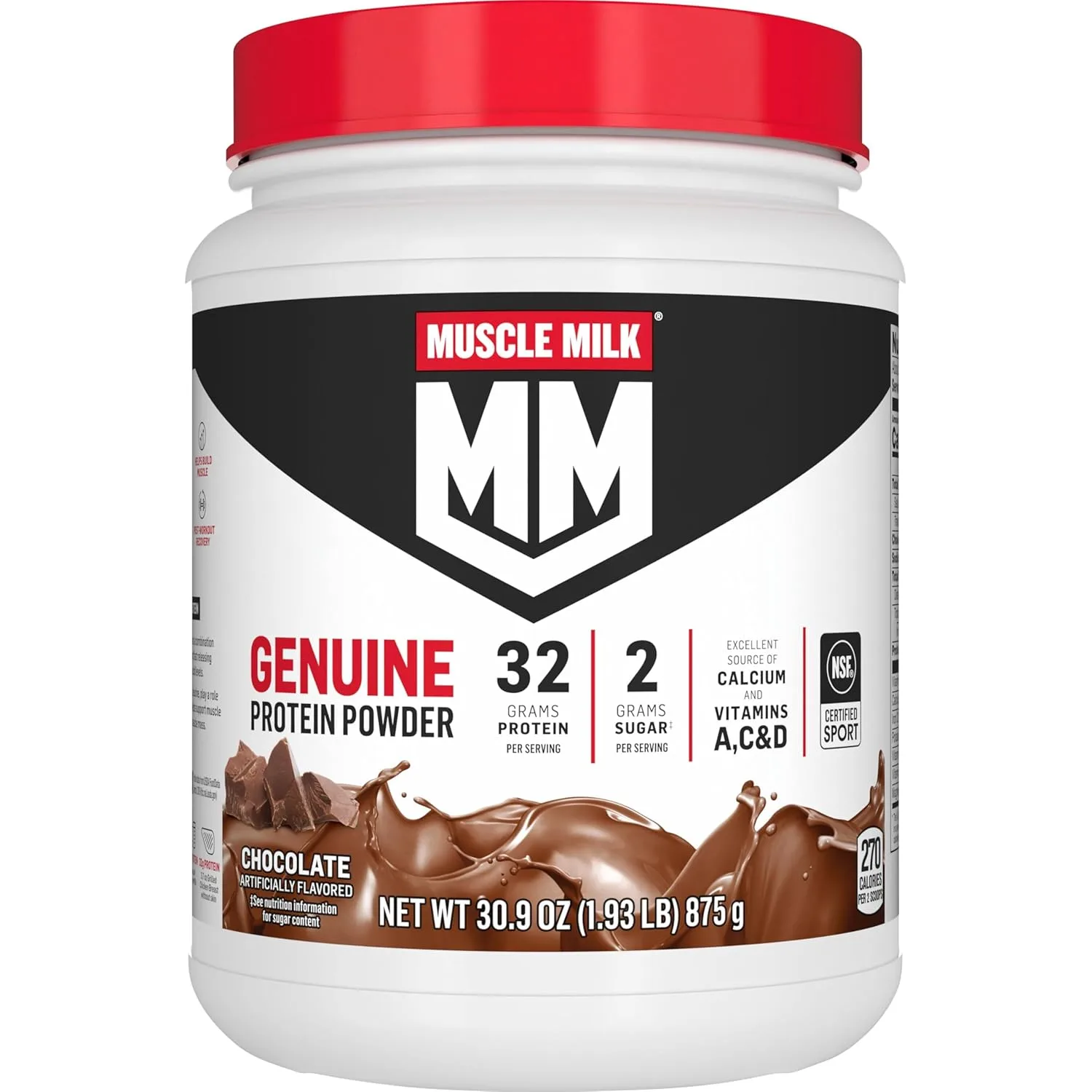
Ready-to-drink shakes are the ultimate convenience: no blender, no measuring, no cleanup. Muscle Milk Genuine Protein Shake in Cookies and Creme offers 25g of protein, zero sugar, 4g of fiber, and vitamins A, C, and D per 11.16 Fl Oz bottle, making it a strong post-workout or snack option. The trade-off is cost per serving and packaging waste compared with cooking at home, and you cannot adjust the flavor or add ingredients unless you choose a powder.
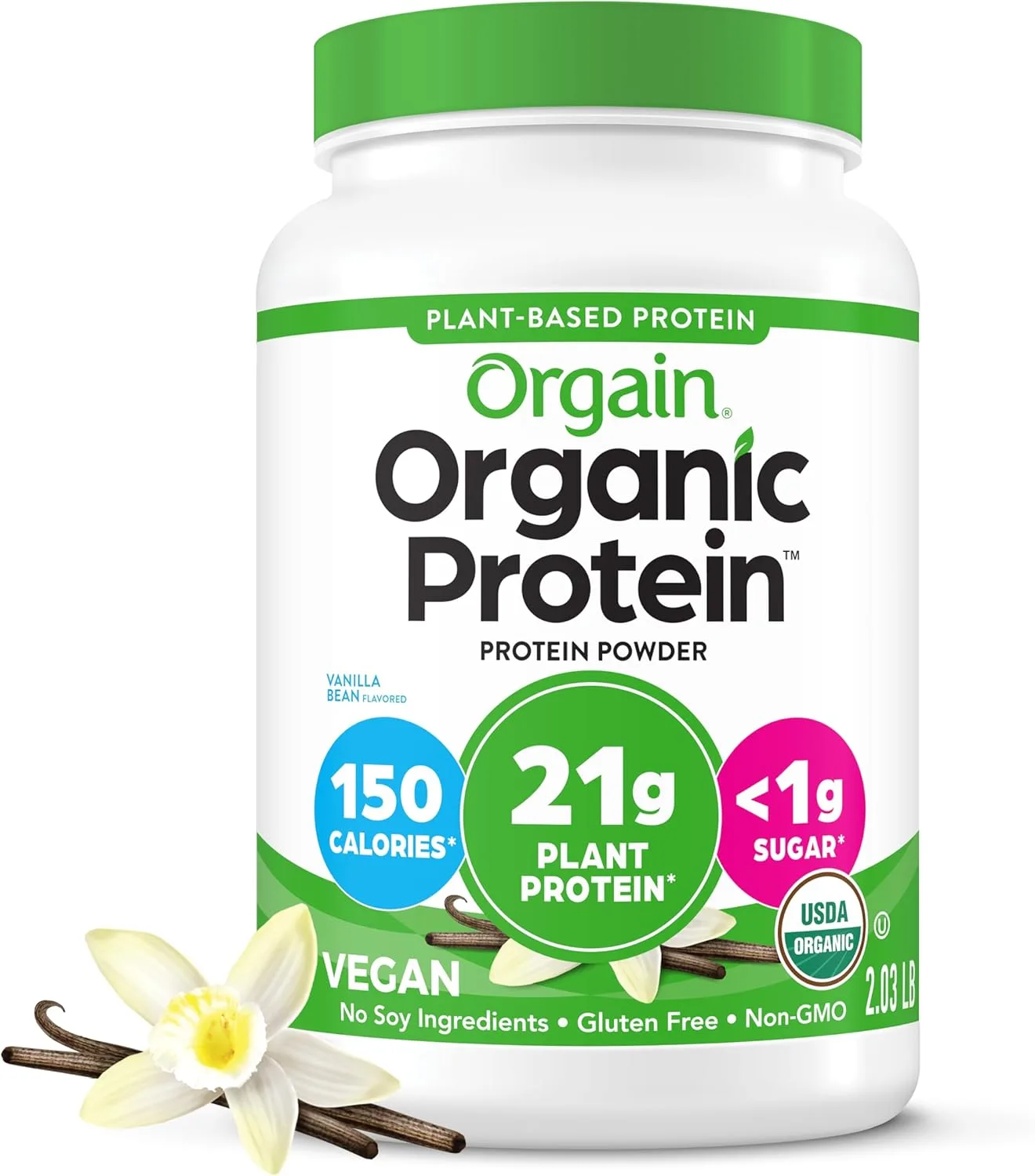
Powders give you more flexibility and usually a lower cost per serving. Protein Powder Made with 100% Grass Fed, Non Denatured Whey provides 22g of protein per serving and blends four protein sources from organic whole food ingredients. You can mix it with milk, water, fruit, or oats to move it closer to a whole-food meal. The trade-off: you need a shaker or blender, and the result depends on what you add. If you want zero prep, ready-to-drink wins; if you want to customize, powder wins.
Trade-offs: meal replacement shakes vs whole food
- Speed and consistency: A ready-to-drink shake like Orgain 30g High Protein Shake gives you a fixed 30g protein and 1g sugar in seconds, while a whole-food meal takes planning, cooking, and cleanup. Choose shakes when your schedule is the bottleneck and you need a reliable macro target.
- Satiety and fiber: Liquid meals can leave you hungry sooner; whole food provides volume and fiber that slow digestion. Ensure Plus with Fiber adds fiber to help, but it is not a substitute for vegetables, beans, or whole grains. If hunger is your main challenge, anchor at least one daily meal in whole food with fiber-rich plants.
- Customization and cost: Powders like Protein Powder Made with 100% Grass Fed Whey cost less per serving and let you blend in whole-food ingredients, but require prep. Ready-to-drink costs more per serving and offers no customization. Pick powder if you want control and lower cost; pick ready-to-drink if you want zero effort.
Product facts that matter for this comparison
- Orgain 30g High Protein Shake, Dairy Isolate Milk Protein, Vanilla Bean, 5g BCAAs, 1g Sugar per Serving, Meal Replacement, Ready to Drink, Keto Friendly, Gluten-Free, 11 Fl Oz, 12 Bottles: Orgain 30g High Protein Shake, Vanilla Bean, provides 30g of dairy isolate milk protein, 5g of BCAAs, and 1g of sugar per 11 Fl Oz serving; it is keto friendly and gluten-free. A high-protein, low-sugar ready-to-drink option that fits low-carb or gluten-free diets and helps you hit a 30g protein target without cooking.
- Ensure Plus Vanilla Nutrition Shake With Fiber | Meal Replacement Shake | Ready to Drink | 16g Protein and 27 Vitamins and Minerals | 8 fl oz - 24 Pack: Ensure Plus Vanilla Nutrition Shake with Fiber provides 16g of protein and 27 essential vitamins and minerals per 8 Fl Oz serving, in a 24-pack. A balanced, fiber-containing mini-meal that is easy to store and grab when you need vitamins and minerals, not just protein.
- Muscle Milk Genuine Protein Shake,Cookies and Creme,11.16 Fl Oz Bottle,25g Protein,Zero Sugar,Calcium,Vitamins A,C & D,4g Fiber,Energizing Snack,Workout Recovery,Packaging May Vary,(Pack of 24): Muscle Milk Genuine Protein Shake, Cookies and Creme, delivers 25g of protein, zero sugar, 4g of fiber, and vitamins A, C, and D per 11.16 Fl Oz bottle. A zero-sugar, higher-protein shake with fiber and vitamins that works well for post-workout recovery or an energizing snack.
- Protein Powder Made with 100% Grass Fed, Non Denatured Whey | Four Different Protein Sources from Organic Whole Food Ingredients | 12 Servings | 22g Protein (12 Servings, Sample Variety Pack): Protein Powder Made with 100% Grass Fed, Non Denatured Whey provides 22g of protein per serving and blends four protein sources from organic whole food ingredients, available in a 12-serving sample pack. A customizable powder option that lets you add whole-food ingredients like fruit or oats, bridging the gap between a shake and a whole-food meal.
Which should you choose?
Meal replacement shakes are best for
- Busy professionals who skip meals and need a fast, portion-controlled option
- People tracking protein for weight loss or muscle recovery who want a known macro profile
- Travelers, shift workers, or anyone without access to a kitchen
Whole food is better for
- People who want maximum fiber, volume, and micronutrient variety from meals
- Anyone who finds liquid meals unsatisfying or gets hungry soon after
- Long-term daily meal replacement without a plan to include whole foods