Quick answer
For most players, a zinc alloy set in the 20-30 gram per die range hits the sweet spot between satisfying heft and table safety. Choose aluminum when you want a lighter, faster feel that is easier on surfaces, and reserve dense gemstone or TruStone sets for special sessions where the weight is part of the experience.
Metal dice weight changes how a set feels in your hand, how it sounds on the table, and how much damage it can do to a wooden surface. That makes heft a practical buying decision, not just a preference.
This guide breaks down the trade-offs between heavy and light metal dice, explains why zinc alloy and aluminum behave differently, and gives you decision rules you can apply before you add a set to your cart.
Why metal dice weight matters more than you think
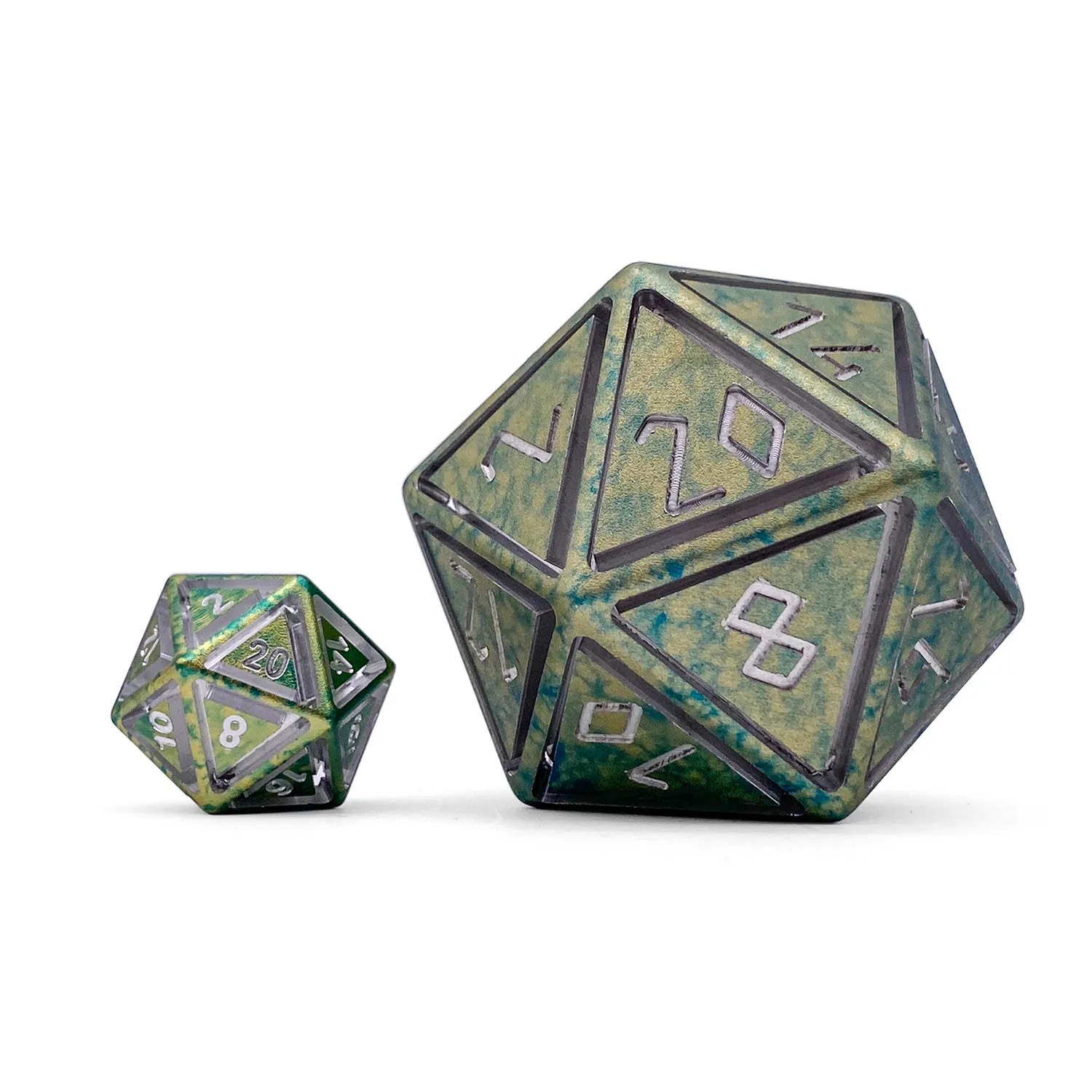
Weight affects three things: the feel in your palm, the roll itself, and what happens when the dice land. Heavier dice tend to feel more substantial and produce a deeper clack, which many players find satisfying. Lighter dice are easier to carry and less likely to dent a table.
Weight also influences how a die tumbles. A heavier die may settle faster, while a lighter one can bounce farther if you roll with force. Neither is objectively better, but the difference is noticeable once you have rolled both for a full session.
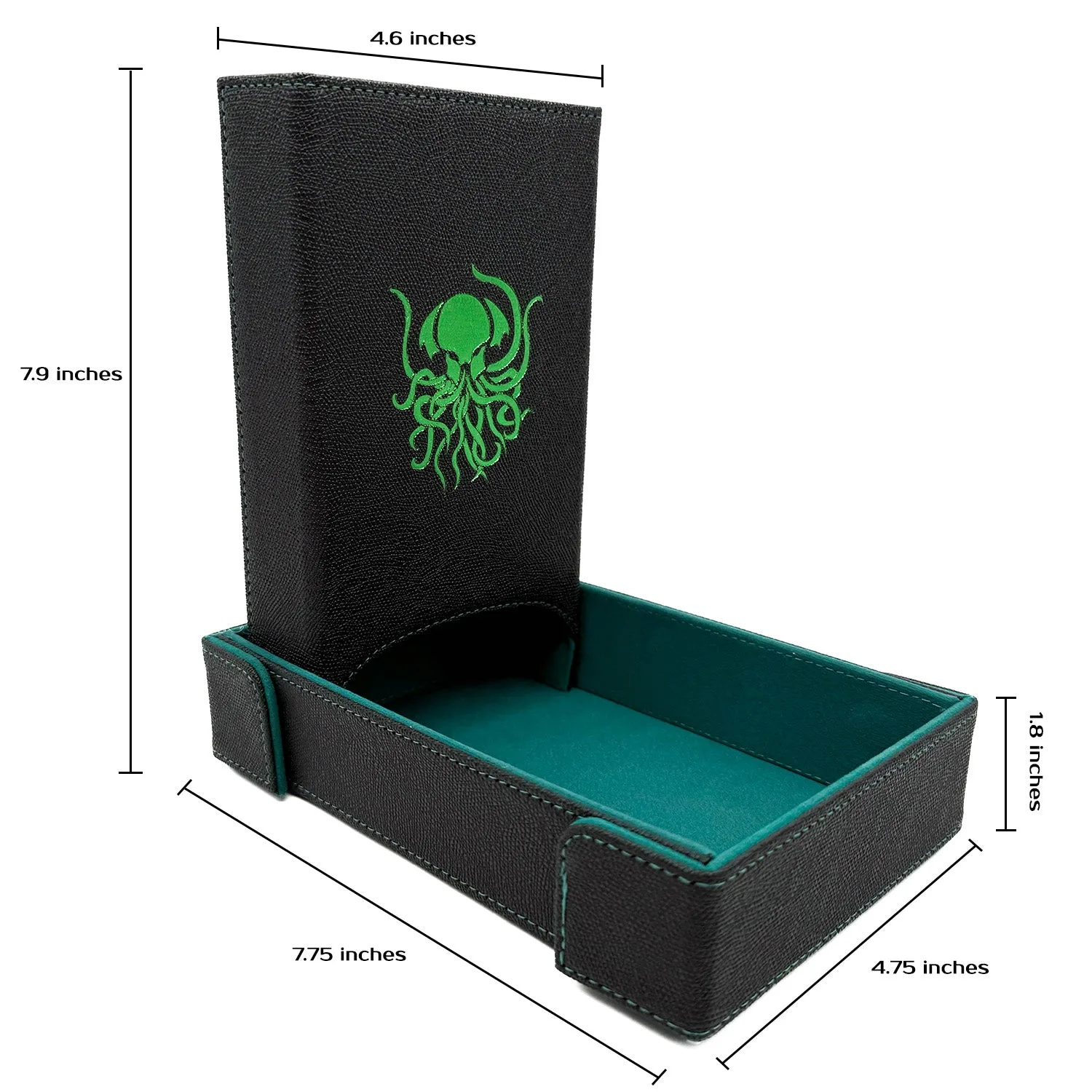
- Roll on a padded dice tray if you use heavy metal dice regularly.
- If you often play on glass or a bare wooden table, lighter metal dice reduce the risk of scratches.
Heavy dice vs light dice: matching weight to your table
Heavy dice are best for players who want a tactile, weighty roll and do not mind carrying a bit more in their bag. They also stay put on a character sheet better than light dice, which can be a small quality-of-life win during long sessions.
Light dice suit travel, convention play, and anyone who rolls on a hard surface. They are easier to scoop up and less tiring to roll repeatedly. If you share a table with players who use delicate mats, lighter metal is the considerate choice.
- Weigh a single die on a kitchen scale if you want a concrete number before buying a full set.
- A dice tray with a soft lining is the simplest way to protect both your dice and the table.
Zinc alloy dice weight vs aluminum dice weight
Zinc alloy dice are the traditional heavy option. They feel dense and solid, and they are the reason many players describe metal dice as having heft. If you want that classic weight, zinc alloy is the material to look for.
Aluminum dice are noticeably lighter than zinc alloy. They still have a metal feel and a crisp sound, but they are easier to carry and gentler on surfaces. The trade-off is that they may feel less substantial if you are used to zinc.
- Choose zinc alloy if heft and a deep sound are priorities.
- Choose aluminum if portability and surface safety matter more than weight.
How to judge weight before you buy online
Product listings rarely state a gram weight, so use material and price as signals. Zinc alloy sets are generally heavier than aluminum sets of the same size. Dense stone composites like TruStone also add weight, though they are not metal.
If a listing does not mention weight, treat that as a limitation and look for the material instead. Aluminum, zinc alloy, and TruStone each have a predictable feel range, and the product name usually tells you which one you are getting.
- Search the product name plus 'weight' to see if the maker publishes specs elsewhere.
- When in doubt, buy a single die or a small set first to test the feel.
Decision rules for choosing metal dice weight
- If you play on a hard or glass table: Choose aluminum or another lighter metal, and always roll in a tray. Surface protection beats heft when the table is not yours.
- If you want the classic heavy metal feel: Choose zinc alloy dice and accept the extra carry weight. Heft is the point, so do not compromise on material.
- If you travel to conventions or game stores: Choose aluminum or a smaller set to keep your bag light. Portability matters more than a deep clack on the road.
- If you are unsure: Buy a single die or a mixed metal set first, then commit to a full set. Test the weight before you invest in seven dice.
Sets that show the weight range in practice
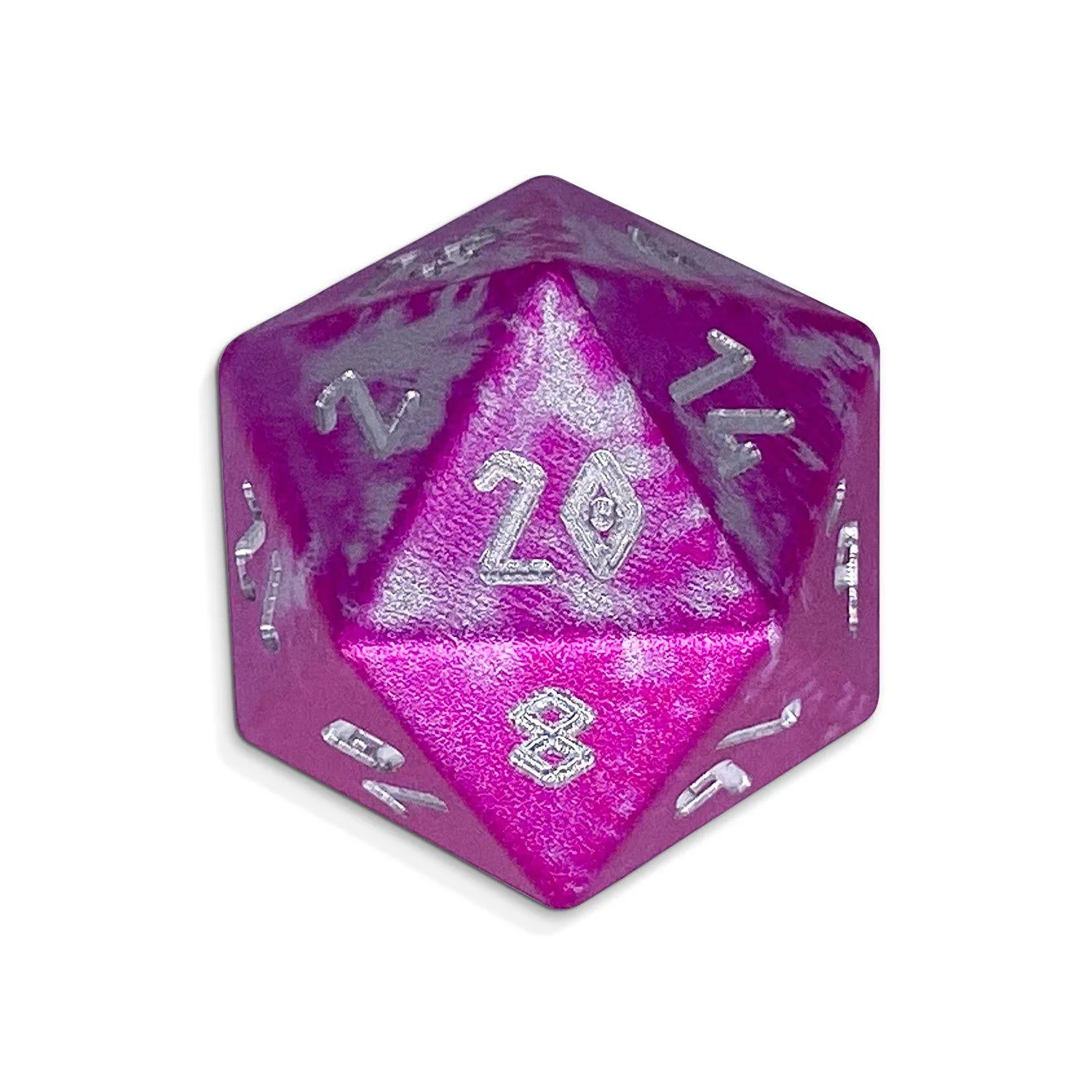
- Infernal Pact - 7 Piece RPG Set 6063 Aluminum Wondrous Dice: Made from 6063 aluminum, this seven-piece set is a lighter metal option than zinc alloy. A good choice if you want metal dice that are easier to carry and less likely to damage a table.
- Oddball Dice - 7 Piece Metal D&D & RPGs Dice Set: A seven-piece metal set that mixes handpicked dice for a surprise assortment. Useful if you want to try metal dice without committing to a matching set, and a low-cost way to test whether you like the weight.
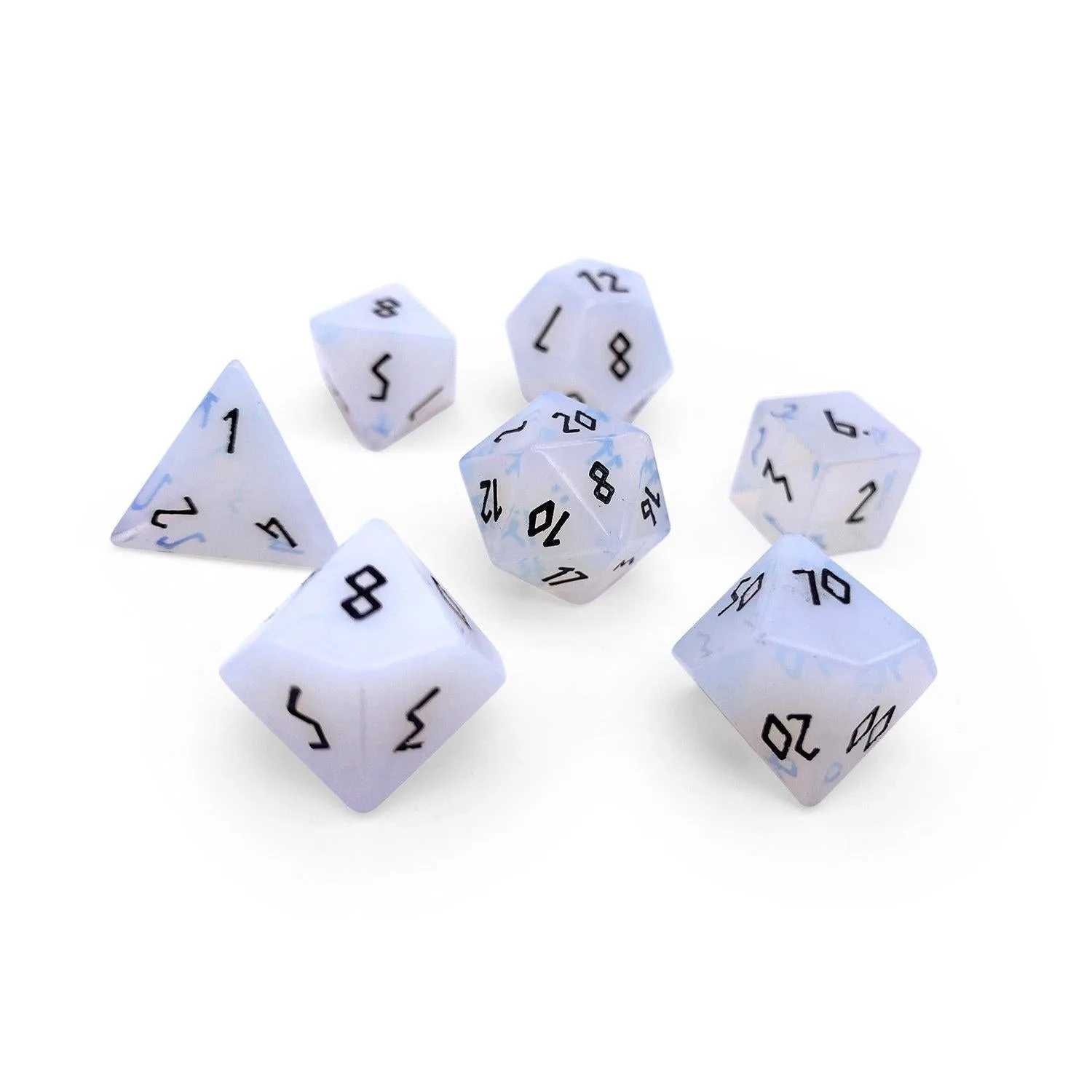
- Silver Blue Imperial Jasper - 7 Piece RPG Set TruStone Dice: Made from Blue Silver Imperial Jasper TruStone, a composite of crushed jasper gemstones and resin. These are dense, stone-based dice rather than metal, so they offer a different kind of heft for players who want weight without a metal clack.
- Picture Jasper - 7 Piece RPG Set Gemstone Dice: A seven-piece jasper gemstone set described as giving a feeling of tranquility and focus. A lighter alternative to metal if you want a natural stone look and a softer roll.
Who should choose which weight
Best for
- Players who want a substantial, heavy feel and roll on a padded tray
- Collectors who enjoy the sound and presence of zinc alloy dice
- Gamers who want a lighter metal option for travel and shared tables
Not for
- Players who roll directly on glass or bare wood without a tray
- Anyone who wants the lightest possible dice for a long convention day
- Buyers who need an exact gram weight before purchasing
Metal dice weight is a personal call, but the rules are simple: heavier for feel, lighter for travel and surface safety. Pick the material that matches how and where you play, and use a tray to protect your table.