Quick answer
If a piece is missing or damaged, stop and check the full contents list before you assume the worst. Separate cosmetic damage from gameplay-blocking damage, then decide whether to request a board game replacement part, substitute a stand-in, or return the game. Never guess at a fix that could make the problem worse.
You punch out a new board game, start sorting, and then it hits you: one token is missing, a card is creased, or a mini arrived bent. Missing board game pieces and damaged board game components are common enough that every hobbyist runs into them eventually, and the right response depends on what is actually wrong.
This guide walks through a simple diagnosis: what to check first, what usually causes each type of problem, what you can do about it, and the point where you should stop trying to fix it and choose another option.
Start with a full contents check
Before you contact anyone, do a complete check board game contents pass. Lay out every punchboard, deck, bag, and tray, then compare what you have against the printed component list in the rulebook or on the box. Count cards by type, not just by stack, and check whether punchboard tokens are still attached to a frame you overlooked. Many 'missing' pieces are simply stuck in a punchboard, tucked under an insert, or packed inside a different bag.
If the list is unclear or the game ships without a manifest, note what you can verify and what you cannot. That gap matters later: a missing pawn is easy to confirm, but a missing card from a large deck may be impossible to prove without a card list. Write down exactly what you found so your next step is based on facts, not a vague sense that something is off.
- Count cards by deck or type, not by total stack height.
- Check every punchboard frame before assuming a token is gone.
- Photograph the layout so you have a record of what arrived.
Separate cosmetic damage from gameplay damage
Damaged board game components fall into two rough groups. Cosmetic damage, like a scuffed box corner, a slightly warped card, or a print misalignment on a token, usually does not affect how the game plays. Gameplay damage does: a torn card that can be identified from the back, a cracked board that will not lie flat, or a missing piece that a scenario requires. Treat these differently because the fix and the urgency are different.
For cosmetic issues, decide whether you can live with it. For gameplay issues, ask one question: can the game still be played correctly and fairly? If the answer is no, you are dealing with a functional problem, and that is where replacement parts, substitutions, or a return become worth the effort.
- Cosmetic: box scuffs, minor warp, print variance.
- Gameplay: torn cards, cracked boards, missing required pieces.
- If a card can be identified from its back, it is a gameplay problem.
Likely causes and what they tell you
Missing pieces often come from packing errors, a punchboard that was not fully separated, or a piece that slipped out of an insert during shipping. Damaged pieces more often come from transit pressure, a punch that was not clean, or storage conditions after the fact. Knowing the likely cause helps you pick the right corrective action: a packing error points to a replacement request, while transit damage may point to the retailer or carrier.
Quality control issues do happen, and they are not always the same as user error. If you bought a used copy, the cause is often incomplete sorting by the previous owner. If you bought new and multiple pieces are affected, that pattern suggests a production problem rather than a one-off accident.
- One missing token: often a punchboard or packing slip.
- Multiple missing pieces: likely a production or packing issue.
- Used copy: assume incomplete sorting until proven otherwise.
Corrective actions that actually work
For a confirmed missing or damaged part, the cleanest path is a replacement request through the retailer or publisher, using your proof of purchase and the exact component name. If the game is in print and the part is standard, this is usually straightforward. If the game is out of print or the part is exclusive, replacement may not be possible, and you should move to substitution or return rather than waiting indefinitely.
Substitution works well for generic pieces: a spare die, a plain token, or a card you can proxy with a note. It works poorly for hidden-information cards, unique miniatures, or anything a scenario references by name. For those, a substitution can quietly break the game, so treat it as a temporary fix, not a permanent one.
- Request replacement parts with proof of purchase and exact part names.
- Use stand-ins only for open-information, generic components.
- Do not proxy hidden-role or unique-named cards long term.
When to stop and choose another option
Set a limit before you start chasing a fix. If the publisher cannot supply the part, if the game is out of print, or if the missing piece is central to play, stop. At that point your realistic options are a return or exchange through the seller, buying a replacement copy, or accepting the game as a parts source. Chasing an unavailable part for weeks rarely ends well.
The same logic applies to damage. If a board will not lie flat after gentle flattening, or a card is torn through the play area, stop trying home repairs. A clean return or a replacement copy is usually less frustrating than a game that fights you every session.
- Stop if the part is unavailable or the game is out of print.
- Stop if the damage affects play and cannot be safely repaired.
- Return, exchange, or replace rather than forcing a broken copy.
Prevent the next problem
Once you have sorted the current issue, a few habits reduce future headaches. Do a contents check the day a game arrives, while returns are still easy. Bag small components by type so a missing piece is obvious next time. Store punchboards flat until you are sure you have separated every token, and keep the rulebook's component list with the game.
If you regularly buy expansions, keep their contents separate from the base game until you have verified both. That way, a missing piece in an expansion does not get blamed on the base box, and you can isolate the problem quickly.
- Check contents on arrival, not months later.
- Bag components by type to make gaps obvious.
- Verify expansion contents separately from the base game.
Component problem diagnosis
- Symptom: one token or card missing: Likely cause is a punchboard that was not fully separated or a packing slip. Check every frame and bag before assuming it is gone. If confirmed missing, request a replacement part with proof of purchase.
- Symptom: multiple pieces missing or wrong: Likely cause is a production or packing error rather than a one-off accident. Document what is missing and contact the seller or publisher. Stop if the game is out of print; return or exchange instead.
- Symptom: cosmetic damage only: Scuffs, minor warp, and print variance usually do not affect play. Decide whether you can live with it before starting a claim. Stop if it does not affect play; a return may not be worth the effort.
- Symptom: gameplay-blocking damage: Torn cards, cracked boards, or missing required pieces affect fairness and function. Home repairs rarely fix these safely. Stop repairing; return, exchange, or replace the copy.
Catalog notes that help with component checks
- https://rockmanorgamesdz.com/products/set-a-watch-upgrade-pack-470172540c15a2a170135fe2-1730791Set a Watch: Upgrade Pack: The upgrade pack is only for players who discovered Set a Watch and bought the retail version; it provides the extra content in the deluxe version that was not included at retail. If you are missing deluxe-only components after buying retail, this pack is the intended path rather than a replacement request for parts that were never in your box.
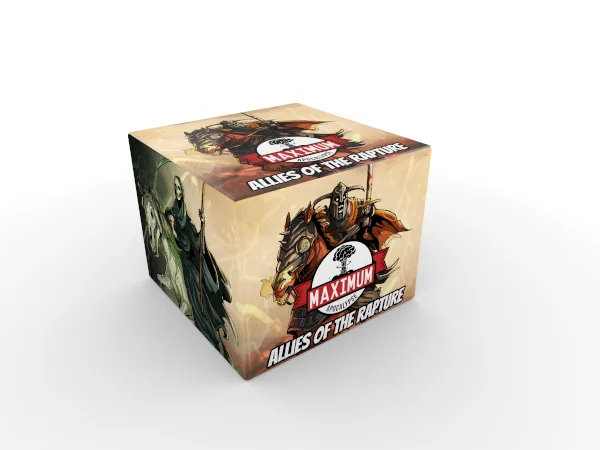
- Maximum Apocalypse: Allies of the Rapture: This expansion compiles extra Kickstarter-exclusive content from previous campaigns, including the solo-focused Allies expansion, the Rapture apocalypse, murder clowns, and gremlin monsters; the content is already included in the Legendary Edition. Check which edition you own before hunting for missing pieces, because Legendary Edition owners already have this content and should not expect a separate copy.
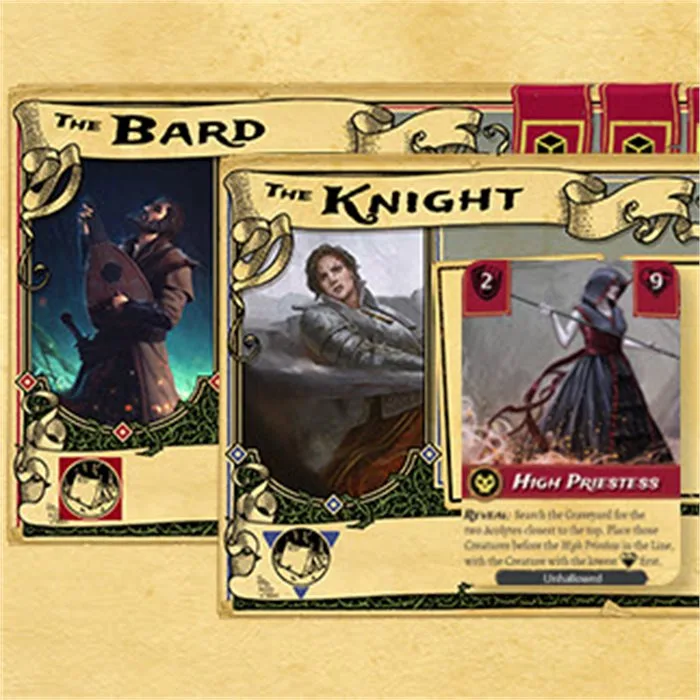
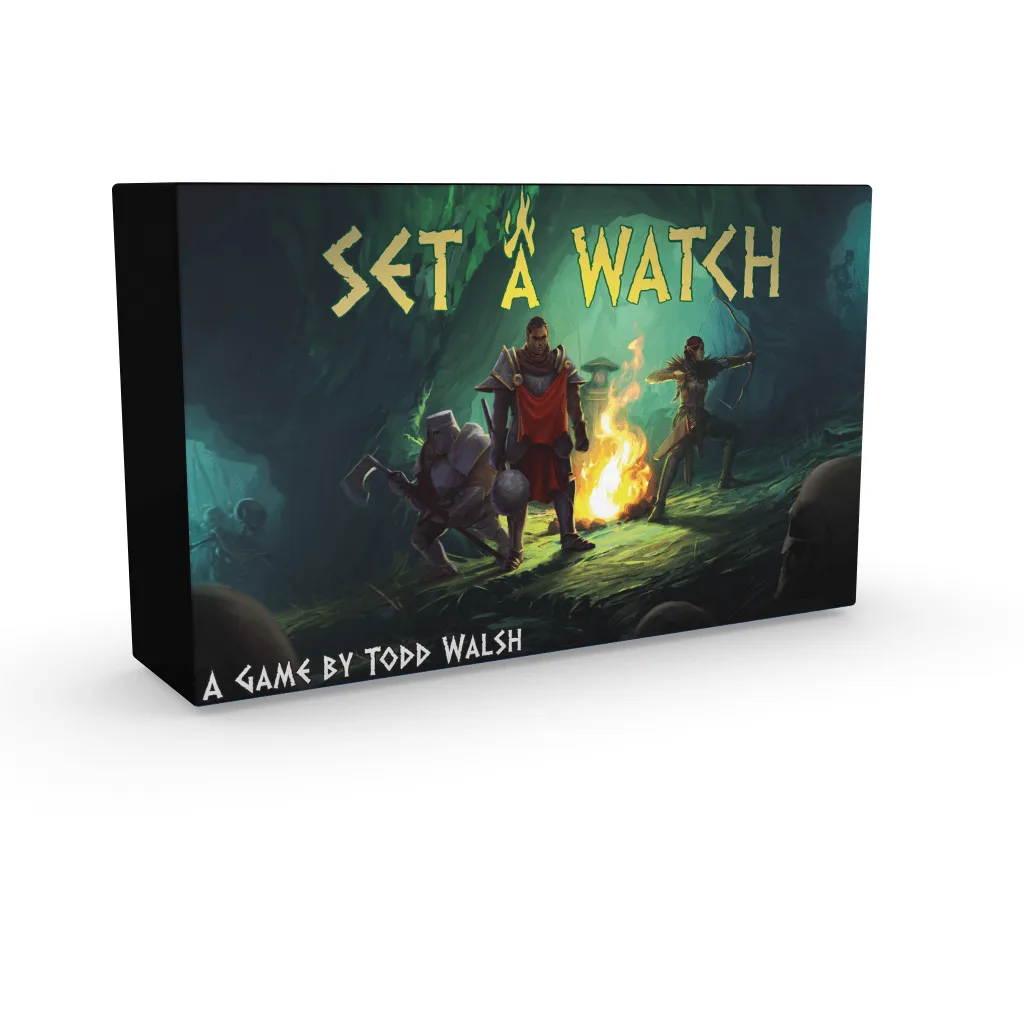
- Set a Watch: A 1-4 player cooperative puzzle adventure game about fighting the evil Unhallowed before they consume the world in darkness. Co-op games like this depend on exact component counts, so a missing token or card can block a scenario rather than just slow it down.
Missing or damaged board game pieces are frustrating, but they are usually solvable with a calm contents check, an honest look at whether the problem affects play, and a clear decision about when to stop fixing and start returning. Do the check early, keep your proof of purchase, and you will spend less time chasing parts and more time playing.