Quick answer
Open and check your board game as soon as it arrives, before you store it or play. Compare every card, token, tile, and miniature against the contents list in the rulebook. If something is missing or broken, contact the retailer or publisher right away with photos and your order number. Most missing pieces or damaged components can be replaced without returning the whole game, but severe damage or a pattern of defects may mean a full return is the better move.
A new board game should feel complete the moment you open the box. But missing pieces and damaged components are more common than most players expect, especially with games that include many small tokens, cards, or painted miniatures. The good news is that most issues are easy to fix if you catch them early.
This guide walks you through what to check before and after a game arrives, how to tell the difference between a minor defect and a real problem, and when to ask for board game parts replacement instead of sending the whole game back.
Before you open the box: what to inspect
Before you tear into the shrink wrap, look at the outside of the box. Check for crushed corners, punctures, water stains, or a broken seal. These signs can hint at damage inside, especially to cardboard tiles or paper components. If the shipping box itself is heavily damaged, take photos before opening anything.
Once the box looks fine, open it carefully and keep the packaging until you have verified the contents. Set aside the rulebook or contents list first, because that is your checklist. A quick visual scan of the trays and bags will tell you whether anything has shifted or spilled during shipping.
- Photograph the shipping box and game box before opening if you see external damage.
- Keep the shrink wrap, bags, and any inserts until you finish checking the contents.
After opening: how to check game contents
Checking game contents means comparing what is in the box to the printed contents list. Count cards, tokens, tiles, dice, miniatures, and any special pieces. Do this on a clean, well-lit table so you can see small items clearly. For card games, fan the deck to check for bent or misprinted cards. For board games with tiles, stack them and look for delamination or torn corners.
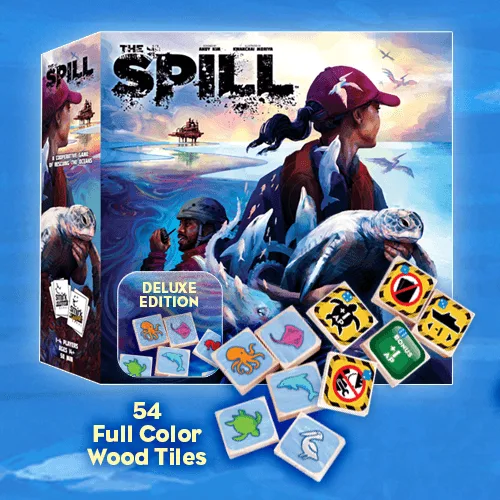
If the game includes miniatures or wooden pieces, check for broken parts, missing paint, or rough edges. Some games, like The SPILL DELUXE edition, use full-color wood tiles, which are sturdy but can still chip if they rattle around during shipping. Run your fingers along the edges to feel for splinters or cracks.
- Count everything against the contents list, not just the big pieces.
- Check cards for bent corners, misprints, or uneven backs.
- Inspect tiles and wooden pieces for chips, cracks, or missing color.
Common causes of missing or damaged components
Most missing pieces happen at the factory, where a token or card can stick to another component or fall out of a tray during packing. Damage usually comes from shipping: boxes get dropped, crushed, or exposed to moisture. Sometimes a game sits in a hot warehouse or delivery truck, which can warp cards or cause glue to fail on tiles.
Less often, a game is missing pieces because it was returned by another customer and not fully checked before being resold. That is rare with reputable retailers, but it is one reason to inspect immediately rather than months later. If you buy from a third-party marketplace, the risk of a previously opened game goes up.
- Factory packing errors are the most common cause of missing pieces.
- Shipping damage often shows up as crushed corners or cracked tiles.
- Heat and humidity can warp cards and loosen glued components.
What to do if something is missing or broken
If you find a missing piece or a damaged component, stop and document it. Take clear photos of the box, the contents list, and the specific problem. Then contact the retailer or publisher with your order number and a short description. Many publishers offer free replacement parts for missing or defective pieces, and some retailers will send a replacement game or a partial refund.
For board game parts replacement, you usually need the game name, the exact piece name or number, and proof of purchase. If the game is out of print or the publisher does not offer replacements, the retailer may be your only option. In that case, ask about a return or exchange before you try to fix it yourself.
- Photograph the issue before you throw away any packaging.
- Contact the seller first; they often handle replacements faster than the publisher.
- Have your order number and a photo of the contents list ready.
When to ask for replacement parts vs. return the game
A single missing token or one bent card is usually a replacement-parts situation. Publishers and retailers prefer this because it is cheaper and faster than a full return. But if the game is missing multiple components, has a damaged board, or shows signs of water damage, a return or exchange is the better choice. You paid for a complete game, and you should not have to settle for a partial one.
If the game is a gift or you need it for a specific game night, ask about the replacement timeline. Some publishers ship parts quickly, while others take weeks. If you cannot wait, a return may be the only way to get a playable copy in time. Always check the retailer's return window before you start a parts request.
- One or two small missing pieces: request replacement parts.
- Multiple missing pieces or a damaged board: ask for a return or exchange.
- If you need the game soon, ask about turnaround time before choosing.
Diagnosis: match the symptom to the right fix
- Symptom: one or two small pieces missing: A token, card, or miniature is not in the box, but everything else is intact. Likely cause: factory packing error. Action: request replacement parts from the retailer or publisher. Stop here if they can ship the missing piece.
- Symptom: cards are warped or tiles are delaminated: Cards are curved, tiles are separating, or components feel damp. Likely cause: heat or humidity during shipping. Action: photograph the damage and ask for a replacement game. Do not try to flatten cards yourself if you plan to return it.
- Symptom: box arrived crushed and multiple components are damaged: The game box has major dents, and several pieces are broken or bent. Likely cause: shipping damage. Action: return the game for a refund or exchange. Replacement parts will not fix a crushed box or a damaged board.
Component checks for games in our catalog
- The SPILL DELUXE edition: with full color wood tiles: The SPILL DELUXE edition comes with 56, 2-sided, full color wood tiles for a more tactile experience. 36 Sea Life tiles and 20 Weather Effect tiles are included. Because the game uses wood tiles instead of cardboard, check for chipped edges or missing color on the faces. Count the tiles against the contents list to make sure you have all 56.
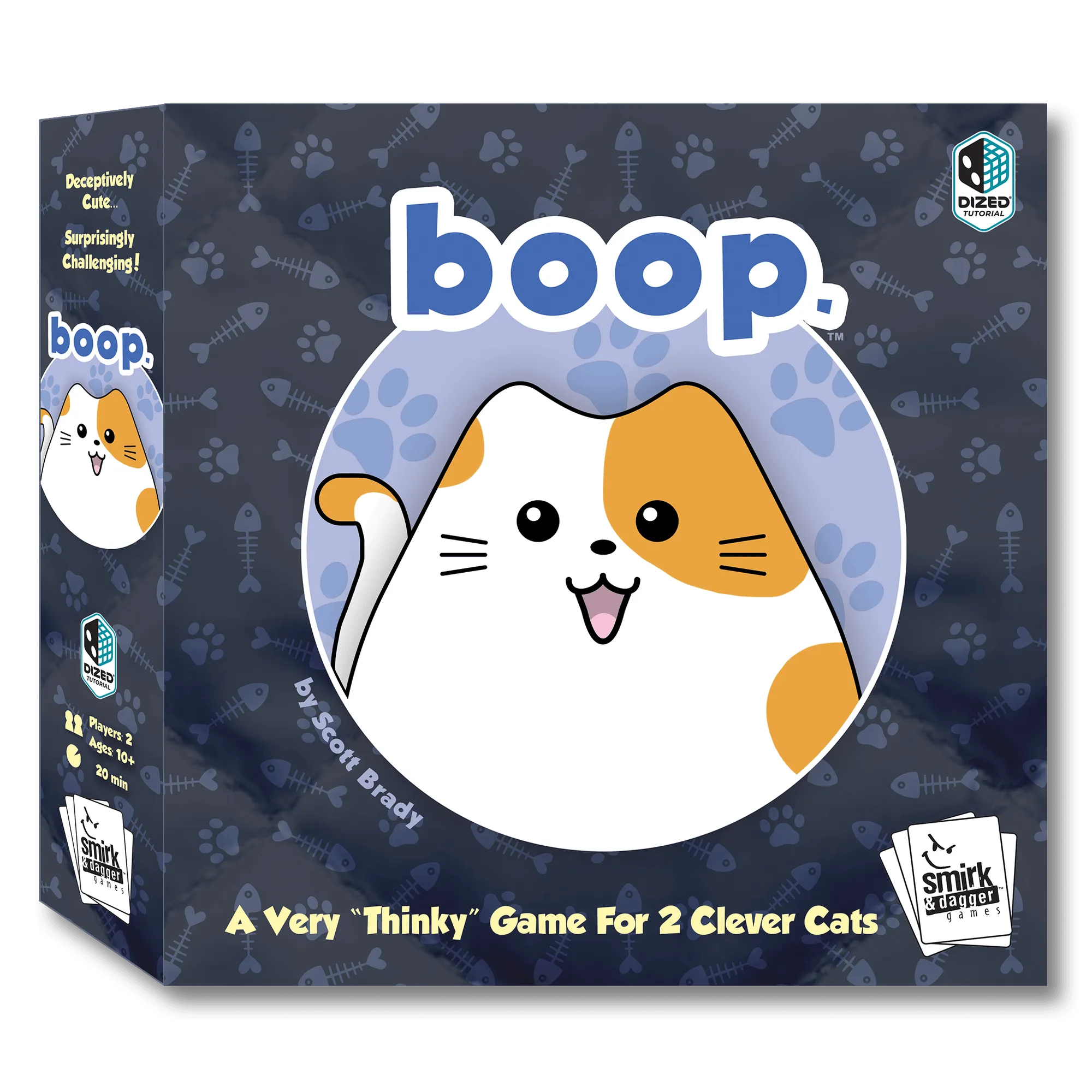
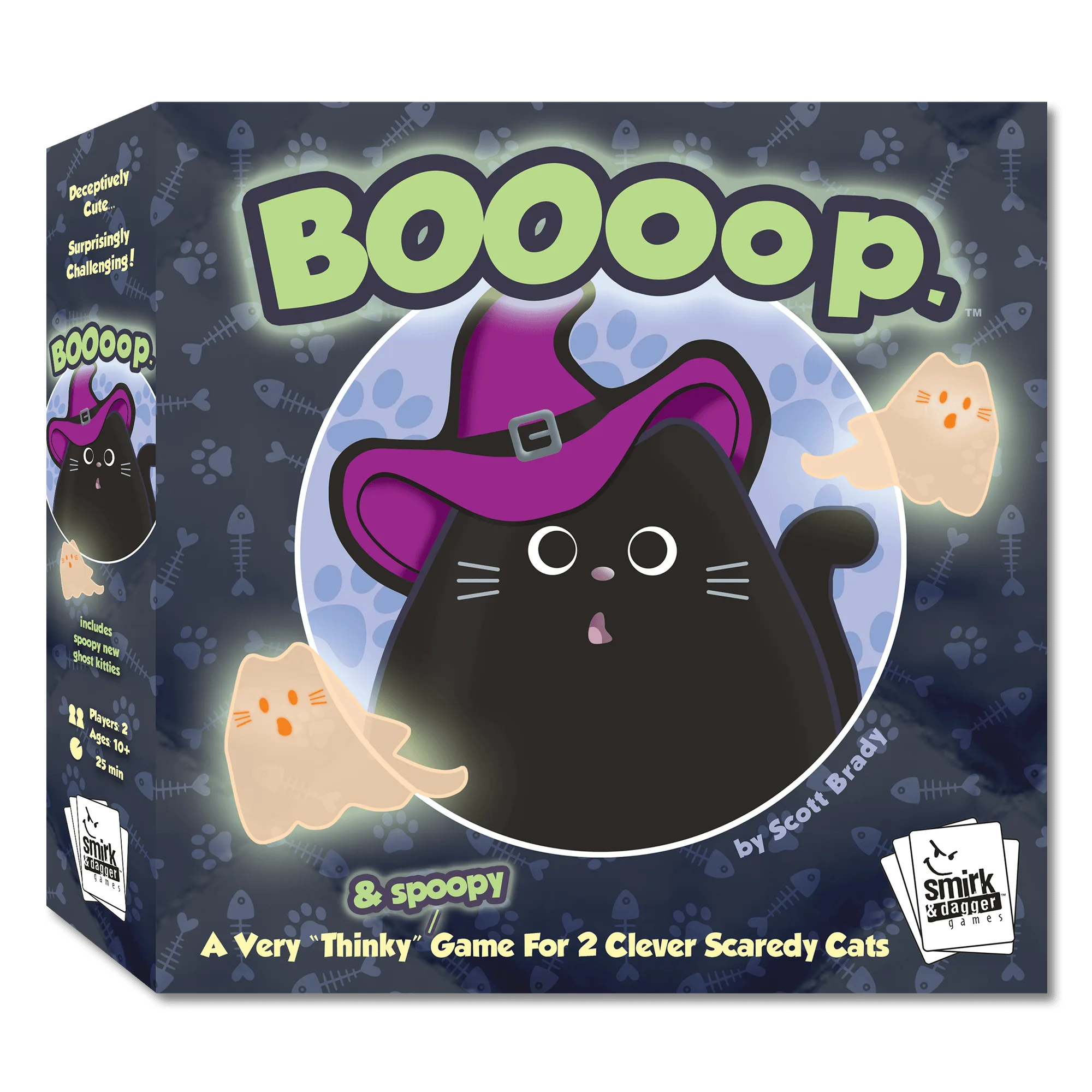
- BOOoop: a deceptively cute but thinky strategy game - now with Ghost Cats!: A spooky, fun Halloween edition of boop. Every time you place a kitten on the bed, it goes “boop.” Line up 3 kittens in a row to graduate them into cats... and then, get 3 cats in a row to win. But that isn’t easy with both you AND your opponent constantly “booping” kittens around. It’s like... herding cats! And now, things just got boopier and spoopier - with NEW Ghost Cats that float between... Small kitten and cat pieces are easy to lose, so count them right away. The Ghost Cats are a new component, so make sure they are included and not stuck to the tray.
Checking your game as soon as it arrives is the simplest way to avoid disappointment later. Count the pieces, inspect for damage, and speak up quickly if something is wrong. Whether you need a single replacement token or a whole new copy, acting early gives you the most options and gets you back to the table faster.