Quick answer
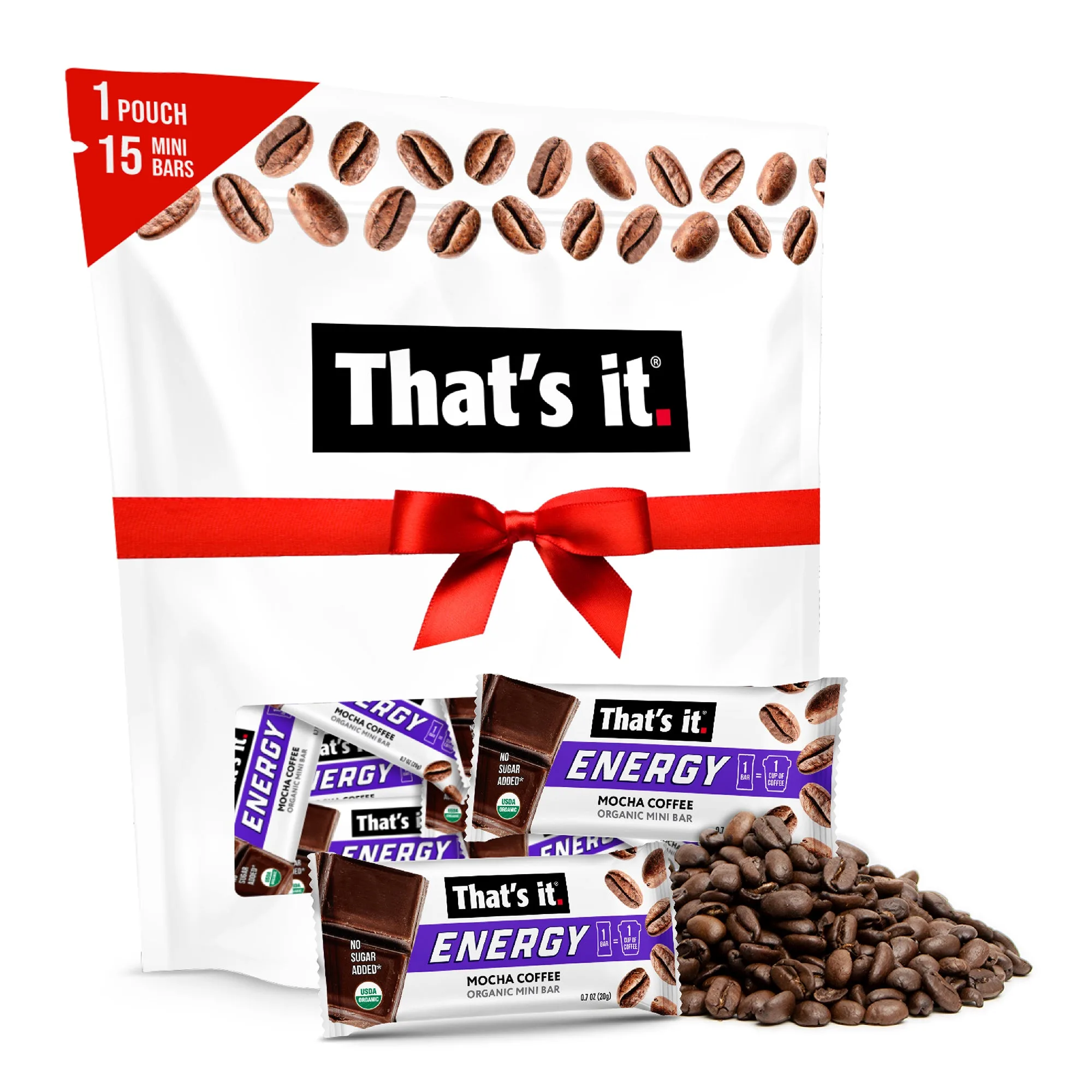
Choose Mocha Coffee Organic Energy Mini Bars if you want a low-calorie, 5-ingredient coffee-flavored snack with no added sugar. Choose Piña Colada Blends Organic Energy Mini Bars 100mg if you need a precise 100mg caffeine dose and prefer a fruit-forward flavor. Both are clean-label options, but they serve different timing and taste needs.
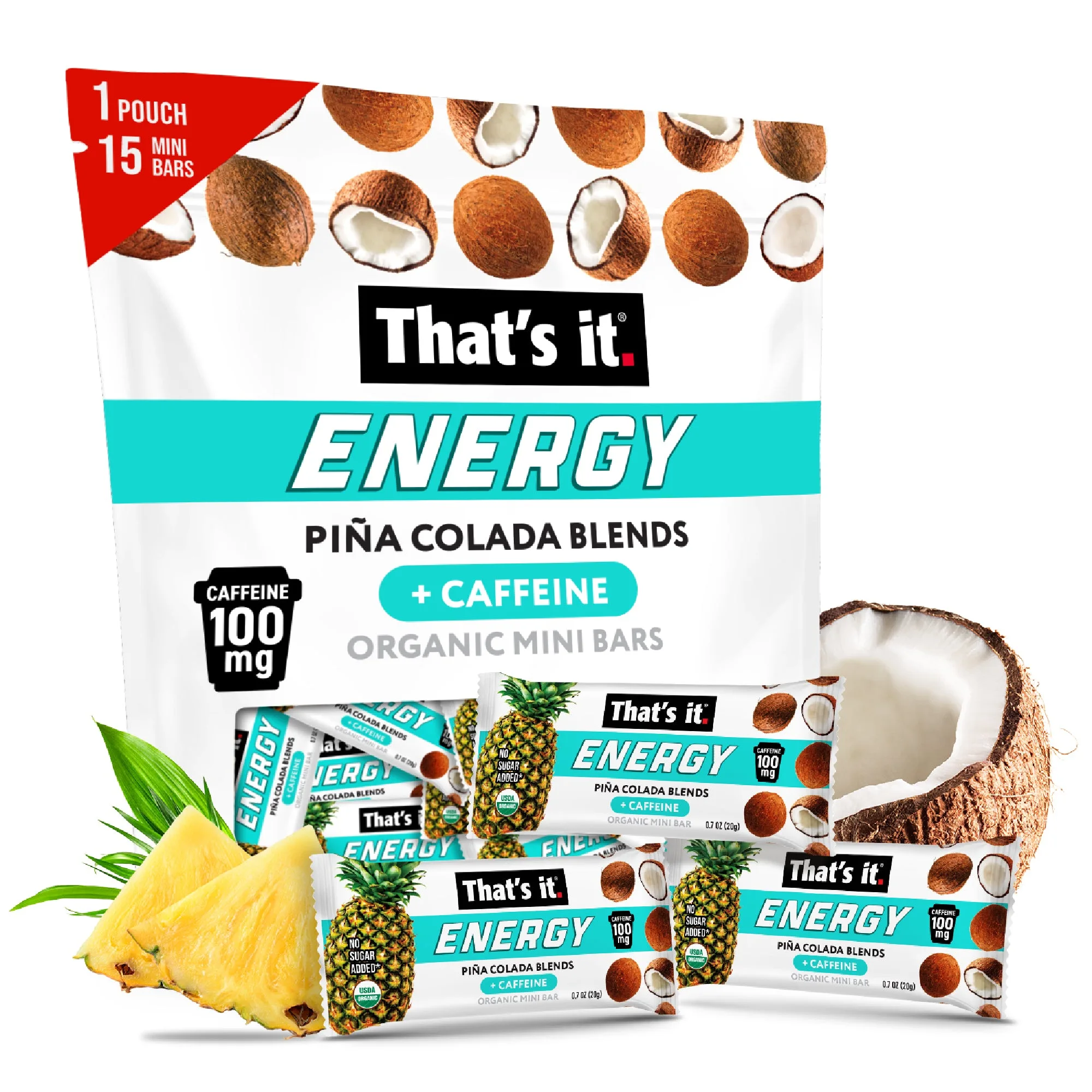
Piña Colada Blends Organic Energy Mini Bars 100mg
Caffeine content: what you actually get per bar
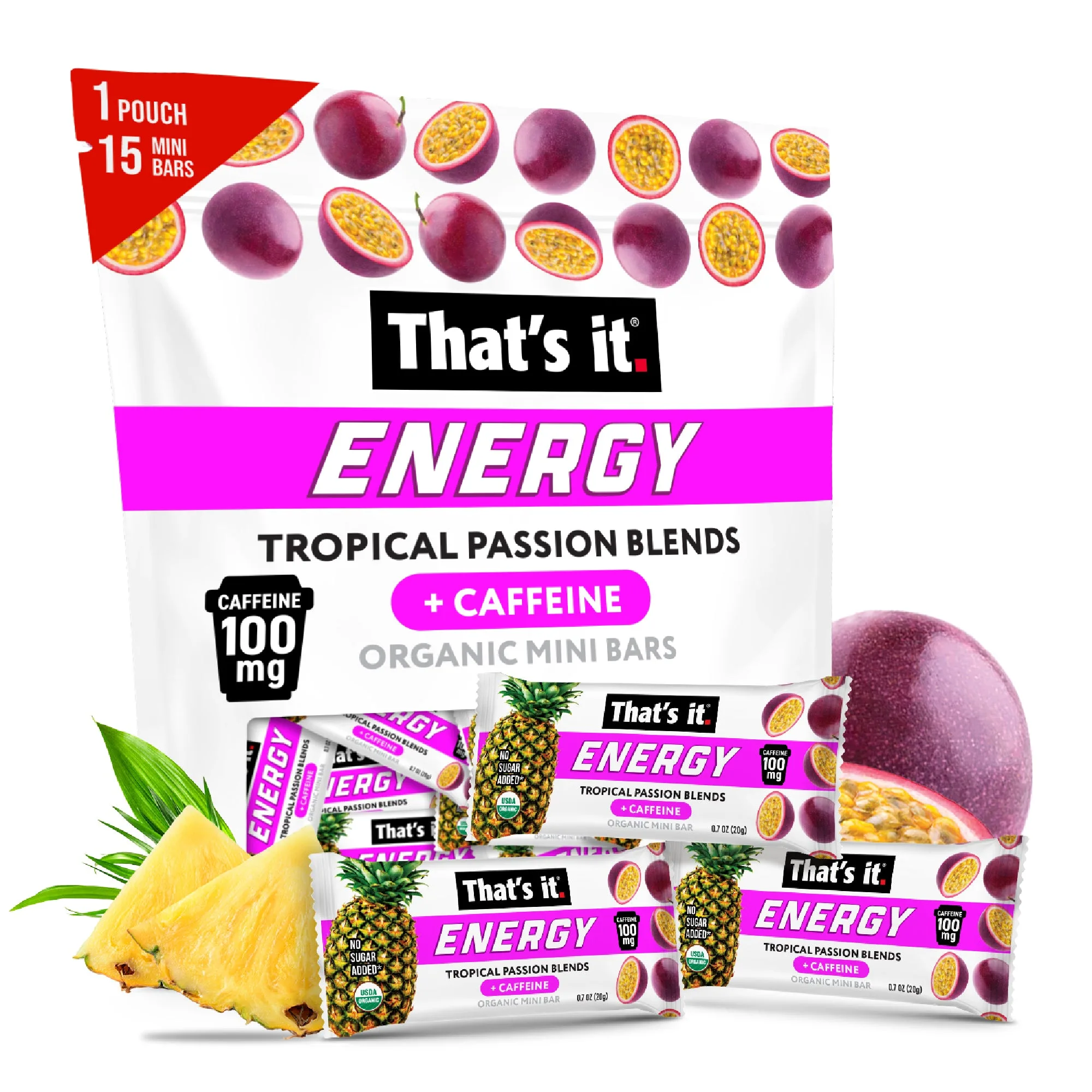
The clearest difference between these two energy mini bars is how caffeine is delivered. Piña Colada Blends Organic Energy Mini Bars 100mg state 100mg of natural caffeine from coffee per bar. Mocha Coffee Organic Energy Mini Bars do not list a specific caffeine milligram amount in the available catalog facts; instead, they are described as offering a clean energy boost that's as satisfying as a cup of coffee, with 50 calories per bar and 5 organic ingredients including premium coffee. If you track caffeine precisely for pre-workout timing or afternoon cutoff, the 100mg figure on the Piña Colada bar gives you a measurable number to plan around. If you prefer a gentler, coffee-like lift without a stated dose, the Mocha Coffee bar is the more flexible choice.
Ingredients and calories: 4 vs. 5 organic components
Piña Colada Blends uses four organic ingredients: organic pineapples, organic coconuts, organic caffeine from coffee, and sea salt. Mocha Coffee uses five organic ingredients and includes premium coffee among them, with no added sugars and 50 calories per bar. That single-ingredient difference matters if you have sensitivities or want the shortest possible label. Both avoid added sugars, so neither will spike your blood sugar the way a sugary energy drink can. The trade-off is texture and flavor: Piña Colada is fruit-forward and tropical, while Mocha Coffee leans into a roasted coffee profile. Pick based on whether you want your caffeine to taste like fruit or like coffee.
How to time these bars before a workout
For pre-workout use, caffeine timing is more important than flavor. If you want a measurable 100mg dose, eat a Piña Colada bar about 30 to 45 minutes before training. If you are using Mocha Coffee bars, treat them as a lighter coffee substitute and test your own response, since the caffeine amount is not specified. Both are mini bars, so they are easy to eat on the way to the gym or between warm-up sets. Avoid eating either bar within six hours of bedtime if you are caffeine-sensitive. Because the Mocha bar has only 50 calories, it works well as a pre-workout snack that won't sit heavy in your stomach.
Flavor and format trade-offs you should know
Mocha Coffee bars come in a 15-bar pouch, while Piña Colada bars are sold in a 15-bar pouch as well. Both are mini-sized, which means you can adjust portions without committing to a full-size bar. The Mocha Coffee bar is positioned as a healthier alternative to sugary energy drinks, with no added sugars and a coffee taste. The Piña Colada bar is positioned for workouts, studying, travel, and busy days, with real pineapple and coconut. Neither product lists protein or fiber content in the supplied facts, so if those macros are critical for your training, you will need to get them from other snacks. Choose based on whether you prioritize a coffee flavor or a fruit flavor, and whether you need a stated caffeine number.
Decision rules for choosing your caffeinated mini bar
- You track caffeine in milligrams: Choose Piña Colada Blends Organic Energy Mini Bars 100mg because each bar states 100mg of natural caffeine from coffee. Use one bar 30–45 minutes before a workout or study session.
- You want the shortest ingredient list: Piña Colada has 4 organic ingredients; Mocha Coffee has 5 organic ingredients including premium coffee. Fewer ingredients can mean fewer potential sensitivities, but both are clean-label.
- You want a coffee taste without a stated dose: Mocha Coffee Organic Energy Mini Bars offer a coffee flavor with 50 calories and no added sugars, but no caffeine milligram amount is listed. Treat it as a gentler coffee alternative and test your own tolerance.
- You need a pre-workout snack that won't feel heavy: Both are mini bars, but Mocha Coffee is 50 calories per bar, making it a light option before training. If you need more fuel, pair with a banana or another carb source.
Product facts
- Mocha Coffee Organic Energy Mini Bars: Mocha Coffee Organic Energy Mini Bars contain 5 organic ingredients including premium coffee, 50 calories per bar, no added sugars, and 15 bars per pouch. A low-calorie, coffee-flavored option for people who want a clean snack without a specified caffeine dose.
- Piña Colada Blends Organic Energy Mini Bars 100mg: Piña Colada Blends Organic Energy Mini Bars 100mg contain 4 organic ingredients (organic pineapples, organic coconuts, organic caffeine from coffee, sea salt) and 100mg of natural caffeine per bar. A fruit-forward bar with a precise caffeine amount, useful for pre-workout timing or studying when you want a measurable boost.
Who these bars are for
Best for
- Coffee drinkers who want a portable, no-added-sugar snack with a coffee flavor
- Pre-workout users who want a measurable 100mg caffeine dose from Piña Colada bars
- Travelers or students who need a small, clean energy boost without sugary drinks
Not for
- Anyone who needs a precise caffeine amount from a Mocha Coffee bar, since the milligram content is not listed
- People looking for a high-protein or high-fiber snack, as those macros are not specified
- Caffeine-sensitive individuals who need to avoid caffeine in the afternoon or evening