Quick answer
Neither fabric wins outright. Modal sleepwear benefits show up as a cool, fluid drape that suits warm rooms and sleepers who hate heavy fabric. Cotton feels crisper, breathes well, and handles frequent washing without fuss, so it suits hot sleepers and anyone who wants a low-maintenance pajama. Choose modal for softness and movement, cotton for structure and easy care.
Most people shop for pajamas by look, then wonder why one set feels perfect and another gets kicked off by 2 a.m. The fabric is usually the reason. Modal and cotton are the two most common choices, and they behave very differently against your skin.
This comparison sticks to what each fabric actually does in bed: how it feels, how it handles heat and moisture, how it wears over time, and which sleepers end up happier in each. It also flags the trade-offs honestly, because the best pajama fabric depends on your body and your bedroom, not on a label.
How modal and cotton actually feel
Modal is a regenerated cellulose fiber, usually made from beech wood, and it is spun to be smooth and fine. That gives it a soft, slightly cool handfeel and a fluid drape that skims the body instead of sitting on top of it. If you dislike stiff or scratchy sleepwear, modal is often the fabric that finally feels right.
Cotton is a natural plant fiber with a crisper, more structured handfeel. It starts a little firmer and softens with washing. Woven cotton, like the lightweight 100% cotton used in the KILO BRAVA PAINTED STRIPE - CAMI & FLUTTER PANTY SET, feels airy and dry rather than slick, which many sleepers find more refreshing in a warm room.
- Run the fabric across your inner wrist before buying: modal glides, cotton grips slightly.
- If you overheat easily, a woven cotton set often feels cooler than a smooth, drapey modal blend.
Breathability, moisture, and temperature
Breathable pajamas move air and moisture away from your skin so you do not wake up clammy. Cotton is the classic answer here because its fibers absorb moisture and let air pass through, especially in a lightweight woven. It is a strong pick for hot sleepers and humid bedrooms.
Modal is also breathable, but its smoother surface and heavier drape can feel warmer against the skin in still air. In an air-conditioned room or a cooler climate, that softness feels cozy rather than hot. The honest trade-off: cotton wins for pure heat management, modal wins for cool-to-neutral rooms and skin sensitivity.
- Hot sleeper in a warm room: start with lightweight cotton.
- Cool bedroom or air conditioning: modal's soft drape feels comfortable without bulk.
Care, durability, and how each fabric ages
Cotton is the easier fabric to live with. It tolerates regular machine washing, holds its shape, and generally gets softer over time rather than thinner. If you wash pajamas every few days and want them to survive it, cotton is the lower-risk choice.
Modal tends to pill and lose shape faster with rough washing, and it can stretch out at the straps and waistbands. It stays beautifully soft, but it asks for gentler handling: cold water, low heat, and no heavy loads. Neither fabric is fragile, but modal rewards a little more attention.
- Wash modal inside out on cold and air-dry when you can.
- Cotton can handle a normal warm wash, which matters if pajamas get worn nightly.
Style, fit, and what each fabric does well
Cotton holds structure, so it suits relaxed shapes like a crop cami with a high-waisted flutter panty, where the fabric keeps its line instead of clinging. That structure also means less stretch, so check the size chart and expect a closer fit through the waistband until the fabric relaxes.
Modal and stretch lace drape and move, which makes them ideal for pieces that are meant to feel light and body-skimming, like a babydoll or a longline bralette. If you want a coordinated set that feels barely there, modal and lace are the more natural match. If you want a set that looks crisp and stays put, cotton is the better partner.
- Choose cotton for structured sets with defined waistbands.
- Choose modal or stretch lace for drapey, second-skin silhouettes.
The trade-offs, side by side
- Feel and drape: Modal feels cooler and smoother and moves with you; cotton feels crisper and more structured and holds its shape. Pick modal for softness, cotton for structure.
- Heat and moisture: Cotton absorbs moisture and breathes well in warm rooms; modal is breathable but its smooth drape can feel warmer in still air. Hot sleepers lean cotton; cool rooms lean modal.
- Durability and care: Cotton handles frequent machine washing and softens over time; modal needs cold, gentle washing to avoid pilling and stretching. Choose cotton for low-maintenance, modal for gentle care.
- Fit and silhouette: Cotton holds a defined waistband and relaxed shapes; modal and stretch lace skim the body and suit drapey, second-skin styles. Match the fabric to the shape you want.
Fabric facts from the KILO BRAVA catalog
- KILO BRAVA PAINTED STRIPE - CAMI & FLUTTER PANTY SET: Crop cami and flutter panty set made with lightweight new woven 100% cotton fabric, digitally printed painted stripes; the cami has adjustable straps and a relaxed fit, and the high-waisted flutter panty flares over the hips and is cheeky at the back. A concrete example of woven cotton sleepwear: airy, structured, and adjustable, which suits hot sleepers and anyone who wants a relaxed but defined fit.
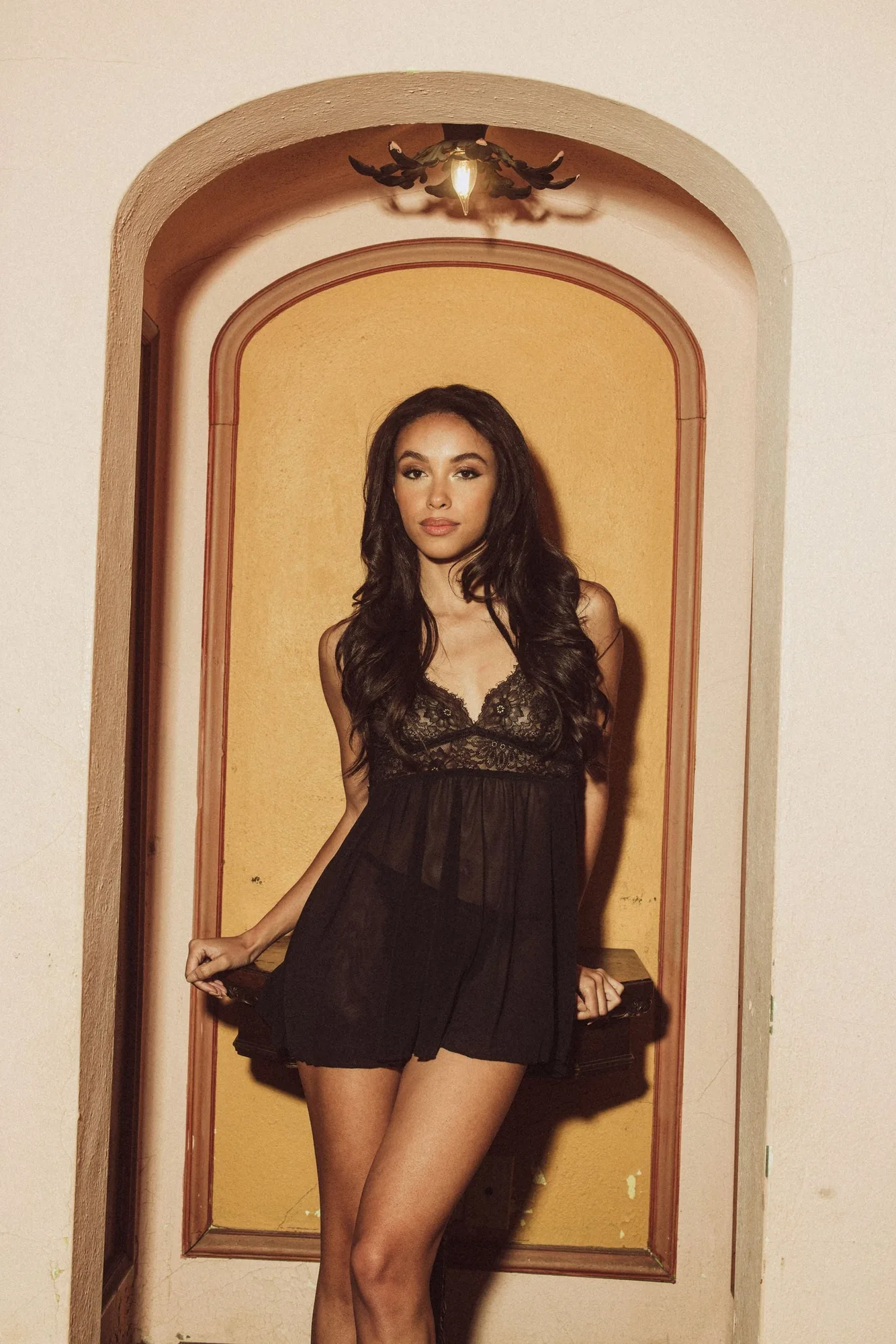
- KILO BRAVA LACE COLLECTION- BLACK- BABYDOLL: Crafted from luxurious stretch eyelash lace with delicately detailed triangle cups, an airy mesh skirt that moves with you, and adjustable straps for a personalized fit. Shows the modal-and-lace side of the comparison: drapey, soft, and adjustable, better for cool rooms and sleepers who want a light, body-skimming feel.
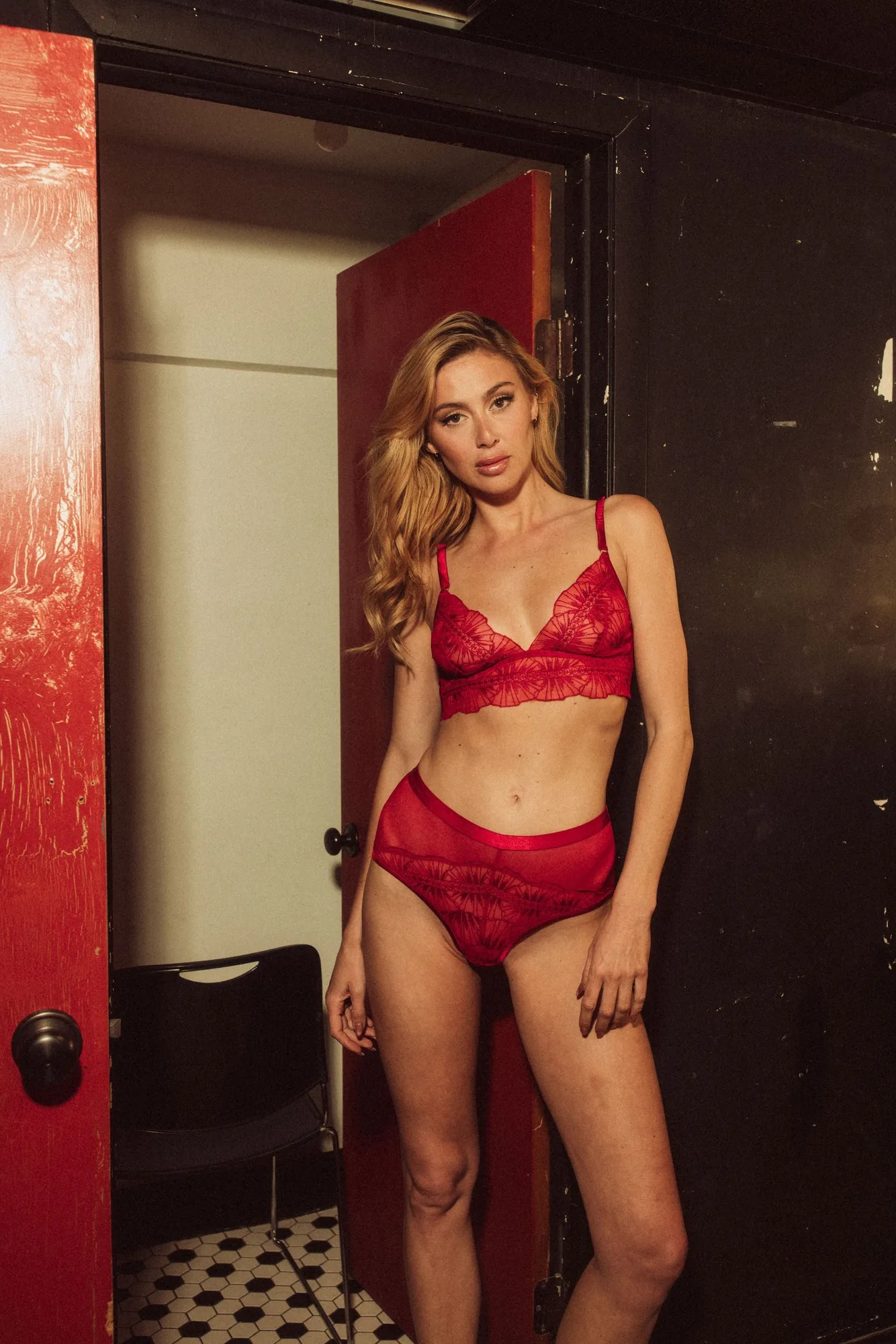
- KILO BRAVA EMBROIDERY COLLECTION- SCARLETT- LONGLINE BRALETTE: Scarlett red longline bralette with custom embroidery, adjustable straps, and a secure hook-and-eye back closure; designed to mix and match with a matching g-string. Illustrates how structured, adjustable pieces work for sleep and lounge when you want support and a coordinated look rather than pure drape.
Which should you buy?
Best for
- Hot sleepers and humid bedrooms where moisture management matters most
- Anyone who wants low-maintenance pajamas that survive frequent washing
- Sleepers who prefer a crisp, structured feel and defined waistbands
Not for
- Sleepers who want a cool, fluid, barely-there drape
- Anyone unwilling to wash delicates gently
- People who dislike the slightly firmer handfeel of new cotton
There is no single best pajama fabric, only the one that matches how you sleep. If you run hot or want easy care, cotton is the safer bet; if you want softness and movement in a cool room, modal is worth it. Start with the fabric that fits your body and your bedroom, then build your set around it.