Quick answer
Start by rinsing your dog's paws and coat with lukewarm water to loosen mud, then use a mild dog-specific shampoo and a rubber curry brush to work it out. Dry thoroughly, paying special attention to paw pads and skin folds. For quick cleanups between full baths, dog paw wipes or a damp towel can handle light mud.
Why Mud Removal Matters After Field Work
Mud isn't just an aesthetic problem. It traps moisture against the skin, which can lead to irritation, hot spots, and bacterial growth. Mud also hides cuts, thorns, or abrasions your dog may have picked up in the field. Regular mud removal for dogs after training or hunting sessions lets you inspect for injuries and keeps your K9 comfortable and healthy.
Field work exposes dogs to varied terrain—dirt, clay, sand, and organic matter. Each type of mud dries differently and can mat the coat, especially in double-coated breeds. Removing it promptly prevents deeper tangles and makes future grooming easier.
Tools and Setup for Efficient Cleaning
Gather everything before you bring your dog inside. You'll need lukewarm water, a mild dog shampoo, a rubber curry brush or grooming mitt, several towels, and a hose or pitcher for rinsing. If you're outdoors, a kiddie pool or a large tub works well. Indoors, use a bathroom or utility sink with a non-slip mat.
For light mud, dog paw wipes or a damp microfiber towel can be enough. Keep a dedicated dog towel and a water-resistant mat near your entryway to contain mess. A treat pouch with high-value rewards helps keep your dog cooperative during handling.
Step-by-Step Mud Removal Process
Follow these steps in order to remove mud safely and thoroughly without stressing your dog.
1. Rinse from the top down: Start at the neck and work downward with lukewarm water. This prevents mud from running into eyes or ears. Checkpoint: If your dog has thick mud on the belly, rinse that area last to avoid spreading it to cleaner parts.
2. Apply shampoo and lather: Use a dog-specific shampoo and massage it into the coat, focusing on muddy areas. Avoid the eyes and inside the ears. Common mistake: Using human shampoo, which can strip natural oils and irritate skin.
3. Work out stubborn mud with a brush: Use a rubber curry brush in circular motions to break up dried or embedded mud. For paws, gently massage each pad and between toes. Checkpoint: If you hit a mat, don't pull—apply a little conditioner and work it loose with your fingers.
4. Rinse thoroughly: Rinse until the water runs clear. Residual shampoo can cause itching and dull the coat. Common mistake: Rushing the rinse, especially in dense undercoats.
5. Dry with towels and check paws: Towel-dry your dog, then inspect each paw for cuts, debris, or redness. Pay attention to the spaces between toes and the paw pads. Checkpoint: If you find a cut, clean it with a dog-safe antiseptic and monitor for swelling.
6. Finish with a final once-over: Once dry, brush the coat to remove any remaining loose dirt and to distribute natural oils. For long-haired dogs, a quick comb-through prevents tangles.
Cleaning Paws Without a Full Bath
Not every muddy outing requires a full bath. For dogs with mud only on their paws, a focused paw cleaning saves time and reduces skin dryness. Fill a shallow basin with lukewarm water and dip each paw, gently rubbing the pads and between the toes. Dry thoroughly with a towel.
Dog paw wipes are convenient for quick cleanups, especially when you're away from home. Look for wipes that are alcohol-free and safe for frequent use. After wiping, dry the paws to prevent moisture from lingering. This is also a good time to check for cracks or foreign objects.
Mud Removal Steps at a Glance
- Rinse from top down: Use lukewarm water to wet the coat from neck to tail, avoiding eyes and ears. Checkpoint: If mud is thick on the belly, rinse it last to avoid spreading.
- Shampoo and lather: Apply dog-specific shampoo and massage into muddy areas. Common mistake: Using human shampoo, which can irritate skin.
- Brush out stubborn mud: Use a rubber curry brush in circular motions, especially on paws and legs. Checkpoint: Don't pull mats—work them loose with conditioner.
- Rinse thoroughly: Rinse until water runs clear to remove all shampoo residue. Common mistake: Rushing the rinse, leading to itching.
- Dry and inspect paws: Towel-dry and check each paw for cuts, debris, or redness. Checkpoint: Treat any cuts with dog-safe antiseptic.
- Final brush-through: Once dry, brush the coat to remove loose dirt and prevent tangles. Next step: Reward your dog and store gear for next time.
Products That Help With Mud Removal
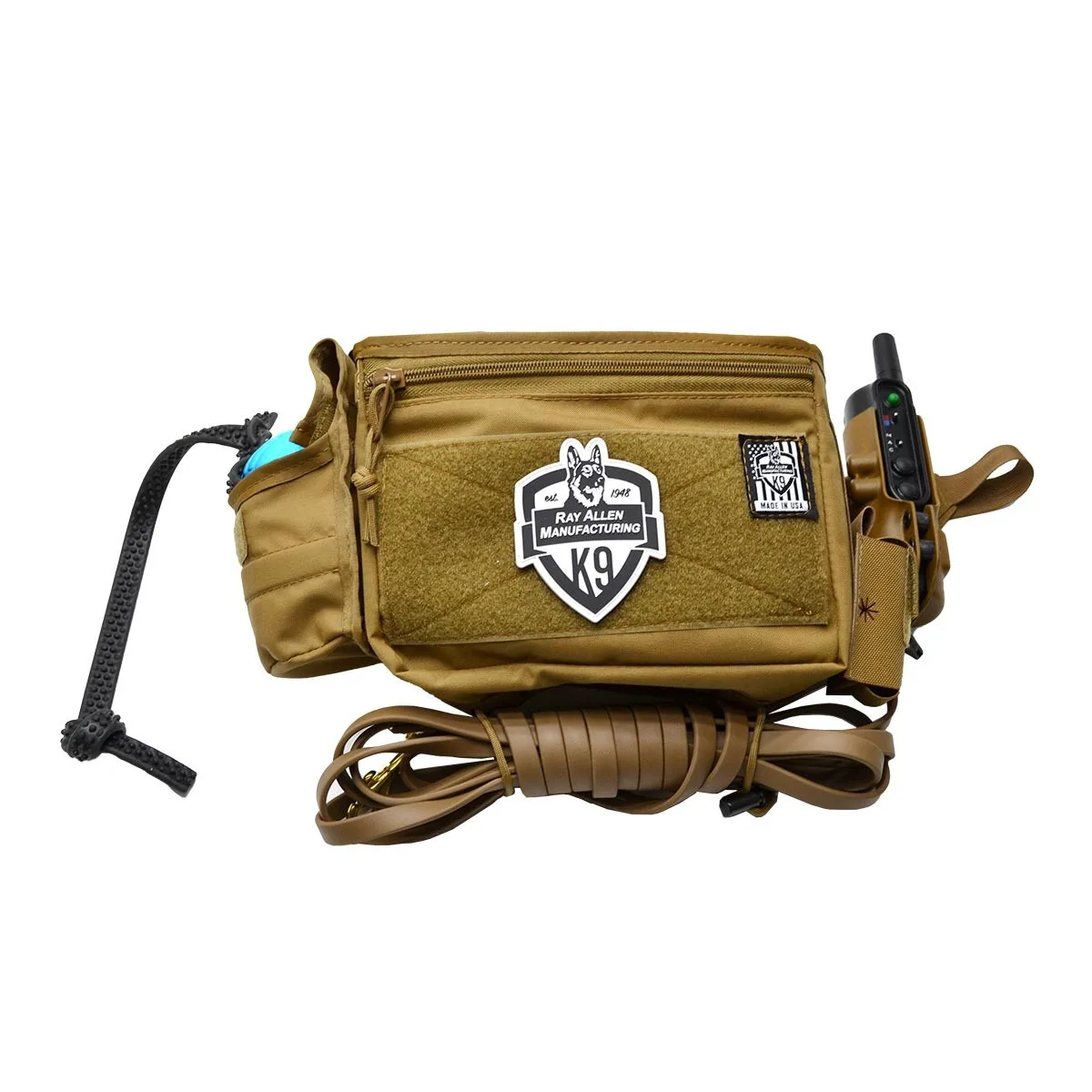
- Dog Trainer Tool Belt: The Dog Trainer Tool Belt is MOLLE compatible and easy to clean, with a design built from real-world experience working with thousands of dogs. Keep treats, wipes, or small tools accessible during outdoor cleanup or training sessions, so you can reward your dog for standing still.
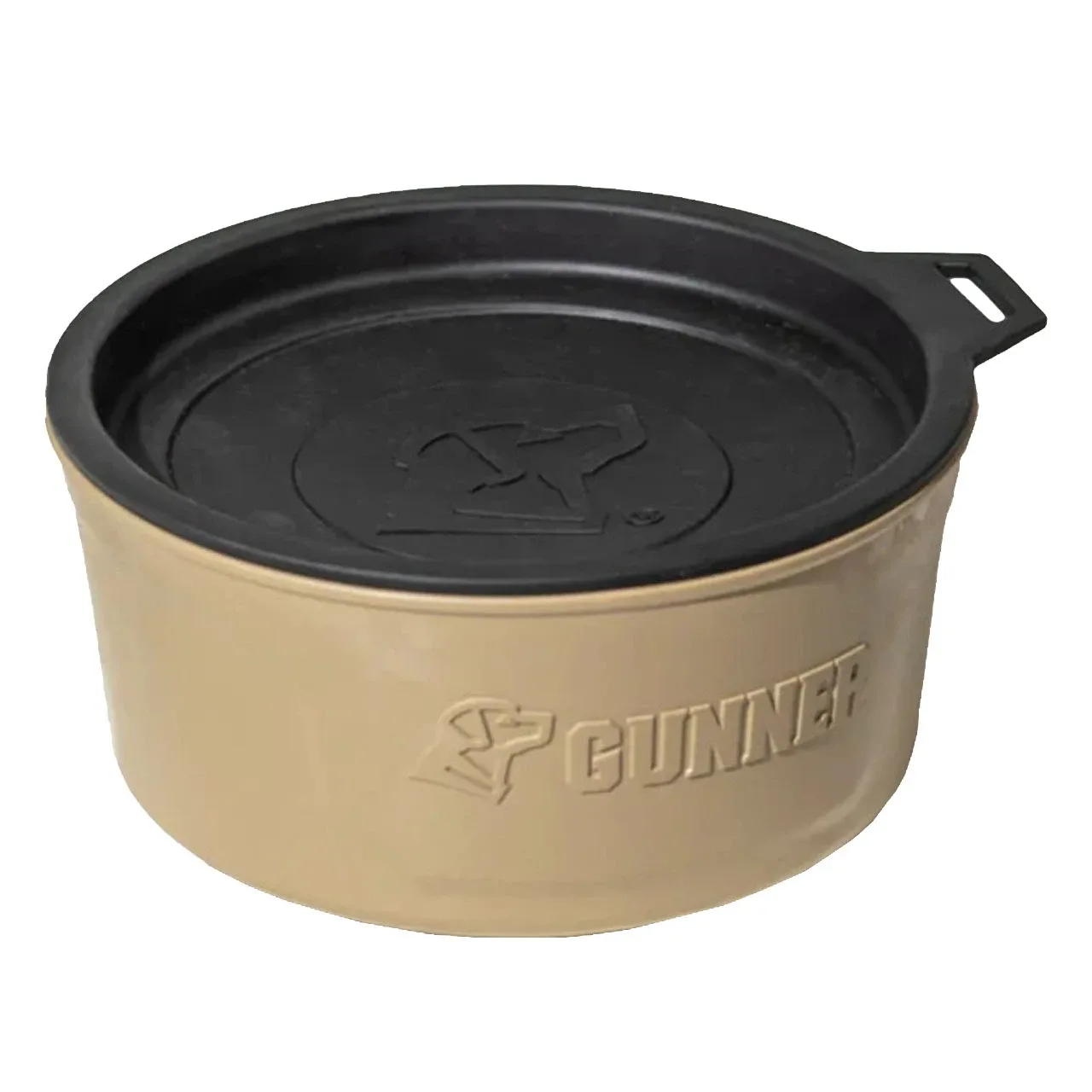
- GUNNER® Dog Bowl: The GUNNER® Dog Bowl is made from ultra-strong nylon, BPA-free and food-grade compliant, and will not rust. Use it to carry water for rinsing paws or for a post-cleanup drink. Its durable, rust-proof material stands up to outdoor use.