Quick answer
If you already wear prescription glasses, adding anti-glare coating is often the first step. But for serious night glare from oncoming headlights, dedicated night driving glasses with yellow tint lenses usually help more.
How they attack glare differently
Anti-glare coating on your regular prescription lenses reduces reflections that bounce off the lens surfaces, which cuts down on the halo effect around lights and makes your lenses more transparent. It works with your existing prescription and doesn't change how you see colors.
Night driving glasses, by contrast, use a yellow tint that filters out shorter blue wavelengths from headlights, streetlights, and LED signs. That tint increases contrast and makes objects appear sharper in low light, but it also shifts color perception and can make some traffic lights look different.
The key trade-off: anti-glare coating is subtle and works only on reflections, while a yellow tint actively changes the light reaching your eyes. For many drivers, the tint provides more noticeable glare reduction than coating alone.
Cost and convenience
Adding anti-glare coating to your existing lenses is usually a modest add-on cost, and you don't need a second pair of glasses. But it only helps if you're already wearing prescription lenses or are willing to get them.
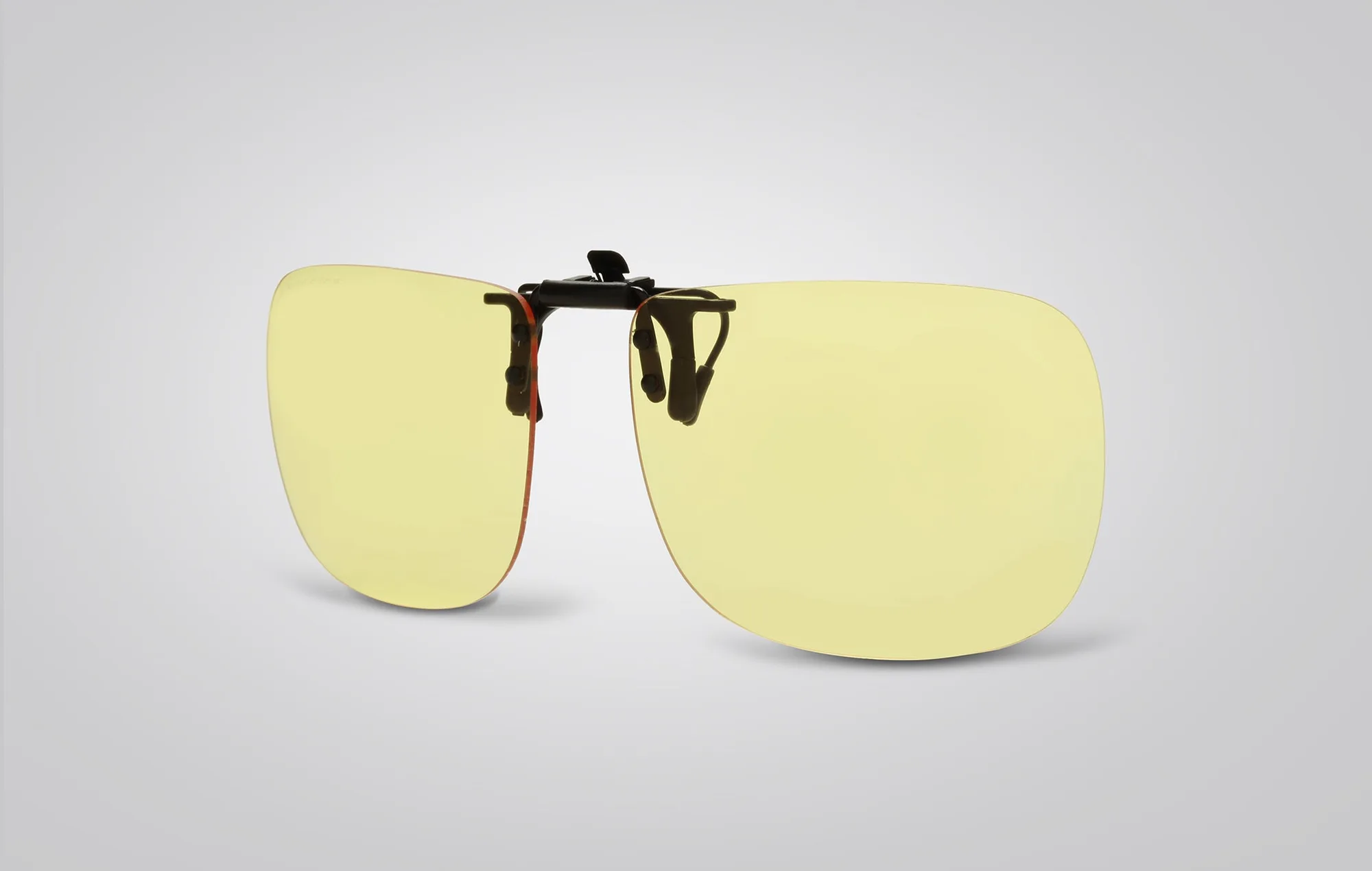
Night driving glasses are a separate purchase. Options like the ClipOn Universal Night clip onto your existing prescription frames, so you get the tint without buying a whole new pair. Or you can choose a dedicated frame like the Freedom Night, which comes with the tint built in.
If you don't wear prescription glasses, dedicated night driving glasses are the simpler route because anti-glare coating isn't available to you unless you buy non-prescription lenses.
Trade-offs at a glance
- Anti-glare coating: Best for reducing internal reflections and halos on your current prescription lenses. It doesn't change color perception and works with your existing prescription. If you're happy with your prescription glasses, try coating first—it's the lower-cost upgrade.
- Yellow tint night driving glasses: Best for cutting glare from oncoming headlights and improving contrast in low light. The tint changes color perception, so be aware of that while driving. If coating isn't enough, or you don't wear prescription glasses, a dedicated night pair is the next step.
- Both together: You can combine anti-glare coating on your prescription lenses with a clip-on tinted lens like the ClipOn Universal Night. This gives you both reflection control and tint benefits. For maximum glare reduction, use both—coating on your base lenses and a clip-on tint when needed.
Product facts
-
ClipOn Universal Night: The ClipOn Universal Night clips onto your existing prescription lenses, adding specialized night and low light technology without replacing your glasses. If you already wear prescription glasses, this gives you the yellow tint benefit without the cost of a second prescription pair.
ClipOn Universal Night
-
Freedom Night: The Freedom Night uses Eagle Eyes' exclusive Night-Lite lens technology to filter high-intensity glare and soften harsh lights from oncoming cars, streetlights, and LED signage. This dedicated frame is designed specifically for night driving, so you get the tint and glare reduction in one purpose-built product.
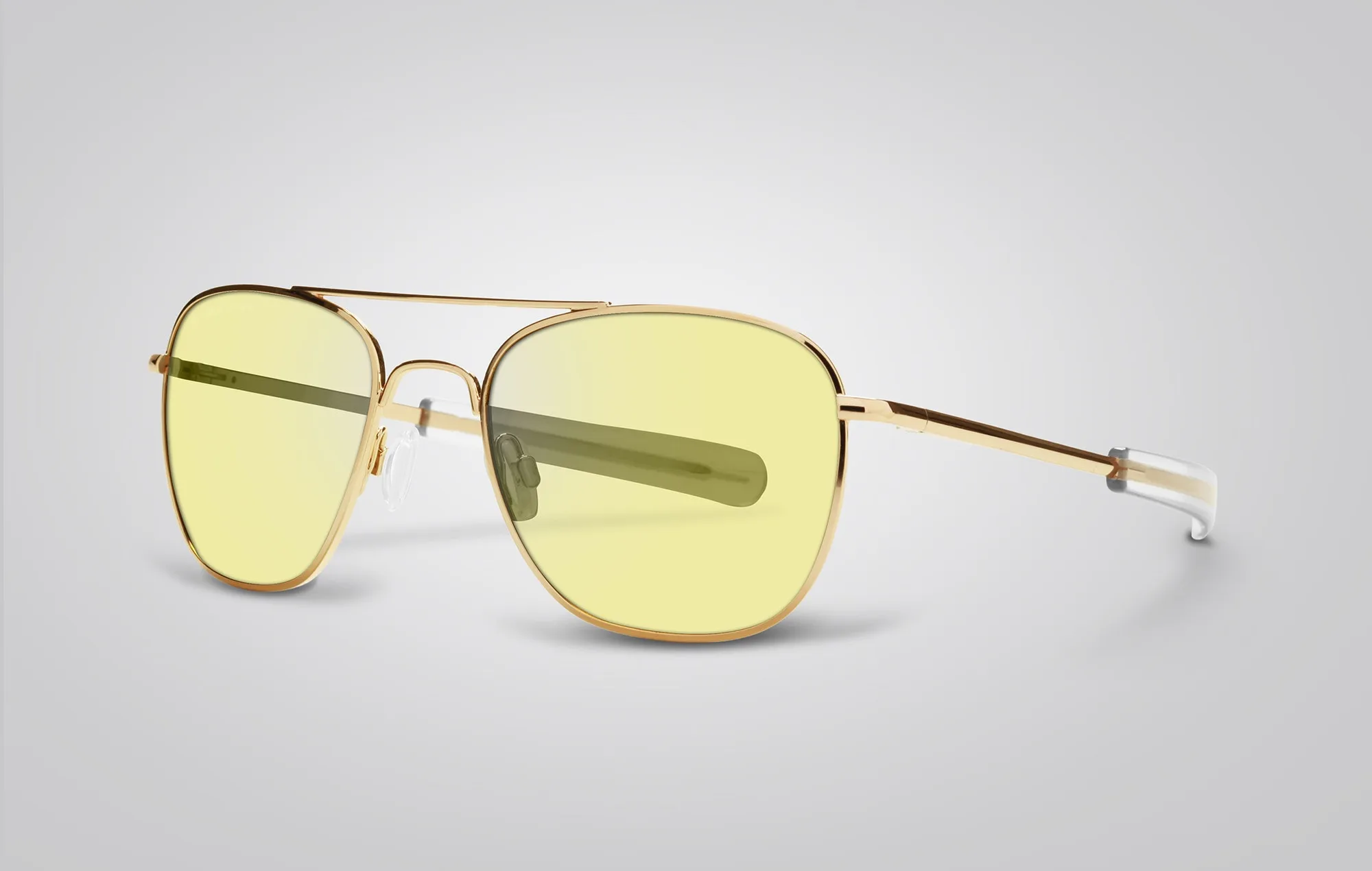
Freedom Night
Which should you choose?
Best for
- Drivers who already wear prescription glasses and want a low-cost upgrade
- Drivers who find oncoming headlights and LED streetlights harsh at night
Not for
- Drivers who don't want any color shift in their vision, since yellow tints alter color perception
- Drivers who need vision correction and don't want to wear a clip-on or dedicated frame