Quick answer
The core difference is alcohol content: regular beer typically contains 4–6% ABV, while non-alcoholic beer is either brewed to avoid alcohol or has it removed, usually landing under 0.5% ABV. That single change affects calories, body, and how the beer pairs with food. For a fest-style option without alcohol, Athletic Non-Alcoholic Oktoberfest is a solid pick; if you want a full-strength Cabernet instead, Red Sled Cabernet Sauvignon 2021 is a different drink entirely.
How non-alcoholic beer is made (and why it matters)
Brewers make non-alcoholic beer two main ways: limited fermentation (so yeast produces little alcohol) or dealcoholization (brewing normally, then removing alcohol via heat, vacuum, or reverse osmosis). Limited fermentation often preserves more malt character but can taste wort-like if not handled well. Dealcoholization can strip some aroma, so brewers may add back hops or adjust the blend. The method influences body and sweetness—key when you compare non-alcoholic beer vs regular beer. If a label doesn't state the method, treat that as a decision limitation: you'll need to taste it to judge.
Calories in non-alcoholic beer vs regular beer
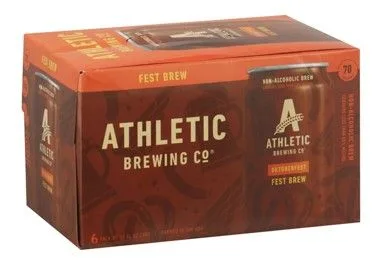
Alcohol itself contributes about 7 calories per gram, so removing it usually lowers the total calorie count. But residual sugars and added ingredients can narrow the gap. A 12oz regular beer might range from 140–200 calories, while a non-alcoholic version often falls between 60–120 calories—though this varies by style and brand. The U.S. labeling rules don't always require calorie counts on beer, so check the packaging or brand website if calories drive your choice. For a lower-calorie alternative that still feels festive, Athletic Non-Alcoholic Oktoberfest is a 12oz can option in a 6-pack.
Non-alcoholic beer taste comparison: what to expect
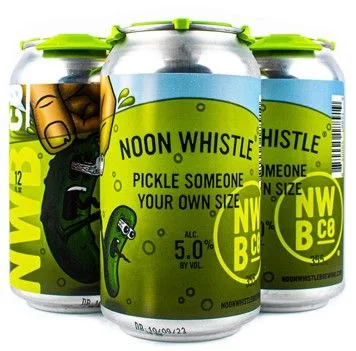
Regular beer gets much of its warmth and body from alcohol, so non-alcoholic versions can taste thinner or finish sweeter. Hoppy styles like IPA often translate better because bold hops mask missing alcohol. Malt-forward styles like Oktoberfest or stout can work too, but expect a lighter mouthfeel. Sour and fruited beers are a smart entry point: Noon Whistle Pickle Someone Your Own Size Pickle Beer is a sour ale with Simcoe hops adding a citrus note at 5% ABV—this is a regular-strength beer, not non-alcoholic, so it shows how much flavor alcohol can carry. If you want zero alcohol, look for the non-alcoholic label.
Is non-alcoholic beer gluten free?
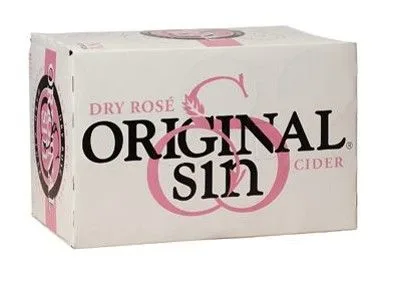
Usually not. Most non-alcoholic beer is made from barley, wheat, or rye, so it contains gluten unless the label explicitly says gluten-free. Some brands use gluten-free grains or enzymatic treatment, but that's not the norm. If you need gluten-free, cider is a safer bet: Original Sin Dry Rosé Cider is made with a proprietary blend of freshly pressed New York apples and is naturally gluten-free. It's a different drink from beer, but it fills the same social slot.
Best non-alcoholic beer styles for different occasions
For a cookout or game day, a crisp lager or fest-style non-alcoholic beer works because it's refreshing and won't weigh you down. For a dinner with roasted meats, a non-alcoholic dark beer or amber can echo the maltiness of a regular beer. If you're mixing drinks, non-alcoholic beer can stand in for soda in a shandy. And if you're the only one not drinking, having a recognizable style—like a non-alcoholic Oktoberfest—makes it feel less like a compromise. Athletic Non-Alcoholic Oktoberfest is a 12oz can 6-pack that fits that role.
Trade-offs at a glance
- Alcohol content: Regular beer typically has 4–6% ABV; non-alcoholic beer usually stays under 0.5% ABV. That difference affects how many you can drink and whether you can drive afterward. Choose non-alcoholic when alcohol isn't an option; choose regular when you want the full effect.
- Calories and body: Removing alcohol often lowers calories, but residual sugars can keep them close to regular beer. Non-alcoholic versions often taste thinner because alcohol adds body. Check labels for calorie counts if that's your priority; expect a lighter mouthfeel in most non-alcoholic styles.
- Flavor intensity: Hoppy or sour styles translate better to non-alcoholic because bold flavors mask missing alcohol. Malt-forward styles can taste sweeter or flatter. Start with non-alcoholic IPA or sour if you want the closest taste comparison to regular beer.
- Gluten: Most non-alcoholic beer contains gluten from barley or wheat. Cider, like Original Sin Dry Rosé, is naturally gluten-free but is a different beverage. If you need gluten-free, verify the label or switch to cider.
Product facts to ground your choice
- ATHLETIC NON-ALCOHOLOKTOBERFEST 12oz 6PK CANS: Athletic Non-Alcoholic Oktoberfest is offered here in a 12oz can, sold as a 6-pack, and listed under the non-alcoholic category. A fest-style option without alcohol; the 6-pack format suits gatherings where you want a sessionable, shareable choice.
- ORIGINAL SIN DRY ROSE CIDER 12oz 6PK CANS: Original Sin Dry Rosé Cider is made with a proprietary blend of freshly pressed New York apples and features a light pink color with a delicate nose. A gluten-free alternative when non-alcoholic beer isn't an option; the dry rosé profile pairs well with light dishes and social sipping.
- NOON WHISTLE PICKLE SOMEONE YOUR OWN SIZE PICKLE BEER 12oz 4PK CANS: Noon Whistle Pickle Someone Your Own Size Pickle Beer is a sour beer lightly hopped with Simcoe hops, adding a slight citrus note, at 5% ABV. Shows how regular-strength beer can carry bold, sour flavors that non-alcoholic versions struggle to replicate; useful as a contrast when comparing taste.
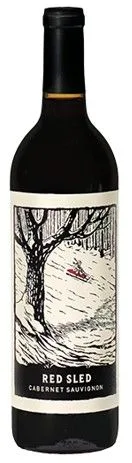
- RED SLED CABERNET SAUVIGNON 2021: Red Sled Cabernet Sauvignon 2021 is a Lodi Cab with ripe black cherry, rich dark chocolate, ground coffee, and hints of freshly picked herbs on the palate. A full-strength wine alternative for occasions when you want alcohol and rich flavor, not a beer substitute.
Who should choose which
Best for non-alcoholic beer
- Designated drivers or anyone avoiding alcohol
- People watching calories who still want a beer-like drink
- Social drinkers who want to participate without drinking alcohol
Not for
- Anyone seeking the full body and warmth of regular beer
- Gluten-sensitive drinkers unless the label says gluten-free
- Those who want the exact taste of a favorite regular beer