Quick answer
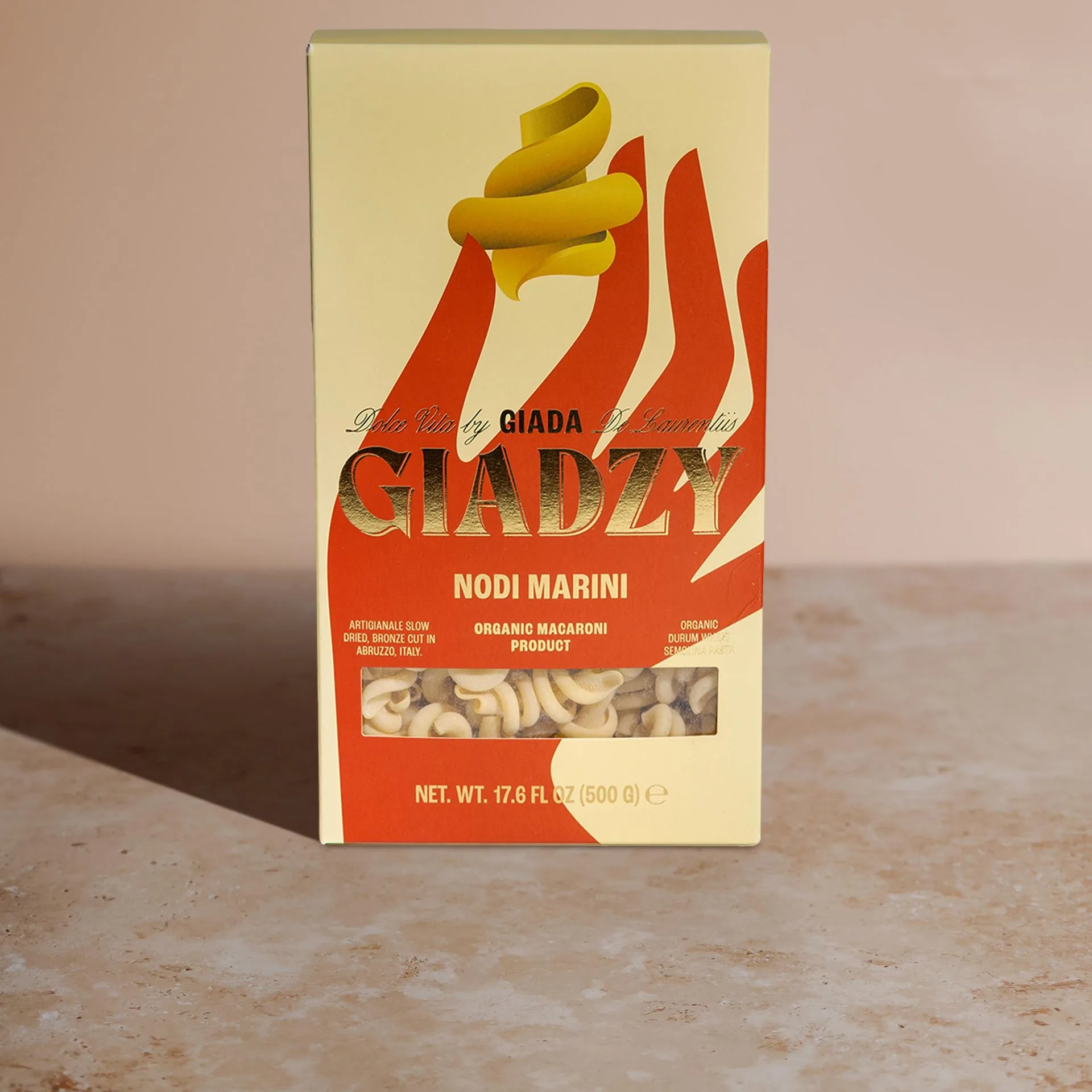
Choose organic bucatini when you want a hollow, straw-like strand that traps thick sauces inside and out, and choose organic nodi marini when you want loosely twisted coils that hold chunky sauces in their folds and feel fun to twirl. If you're stocking one shape, bucatini is the safer everyday pick for hearty ragùs and creamy sauces, while nodi marini shines with vegetable-forward or oil-based sauces that cling to its twists.
How the shapes differ in the pot
Bucatini looks like a thicker spaghetti but is actually hollow, a detail that changes both cooking and eating. The hole in the center helps the thick strand cook evenly from the inside out, and it also gives sauce a place to hide, so every forkful carries more than just surface coating. Nodi marini, by contrast, are loosely twisted coils that resemble complicated sailor's knots. Those twists create ridges and crevices where sauce collects, but the shape is more open, so it relies on surface texture rather than an internal channel to hold onto what you're serving.
Sauce pairing: when to reach for which
For thick, meaty sauces like ragù or a slow-simmered tomato sauce, bucatini's hollow center is a real advantage because the sauce fills the tube and coats the outside. That same structure works well with creamy sauces that would otherwise slide off a smooth strand. Nodi marini is better suited to sauces with texture, such as chunky vegetable sauces, oil-based mixtures with garlic and herbs, or lighter tomato sauces where the twists can catch bits of ingredient. Because the coils are irregular, they also create a pleasant chew that stands up to bold, rustic flavors without getting lost.
Cooking and timing notes
Both shapes are organic and made for traditional Italian cooking, but they behave differently in the water. Bucatini's thickness means it needs a few extra minutes compared to thin pasta, and the hollow center is your doneness cue: when the inside is tender but still firm, it's ready. Nodi marini's twisted coils can vary in thickness, so start tasting a minute or two before the package time and pull them when they're al dente. Because the coils are compact, they can clump if you don't stir in the first minute, so give them a good swirl right after adding to boiling water.
Buying formats and pantry value
Giadzy offers organic bucatini in a single box and in a 2-pack, plus a longer bucatini lunghi version. If you cook pasta often, the 2-pack is a straightforward way to keep the shape on hand without reordering. Nodi marini comes in a single size option, so it's a simpler choice if you just want to try the shape. Both are organic, and the catalog prices show a comparison value, which can make the multi-pack more economical per box if you already know you like the shape.
Trade-offs at a glance
- Sauce delivery: Bucatini's hollow center holds sauce inside and out, which is ideal for thick ragùs and creamy sauces. Nodi marini relies on twisted crevices to catch sauce, so it performs better with chunky or oil-based sauces than with thin, runny ones. Pick bucatini for maximum sauce pickup; pick nodi marini for texture-driven sauces.
- Cooking window: Bucatini's thickness means it needs a few extra minutes and can overcook outside before the inside is done if you don't watch it. Nodi marini's irregular coils can cook unevenly, so tasting early is key. Set a timer and taste both shapes a minute or two before the package time.
- Pantry format: Bucatini is available in a single box, a 2-pack, and a lunghi version, giving you flexibility for how often you cook it. Nodi marini comes in a single size, which is simpler if you're trying it for the first time. Choose the 2-pack if bucatini will become a staple; start with one box of nodi marini to test the shape.
Product facts
- Organic Bucatini Pasta: Giadzy organic bucatini is hollow, derived from the Italian word buco (hole), and the hollow center helps the thick pasta cook evenly inside and out while soaking up sauce. This makes bucatini a strong match for thick sauces that benefit from being trapped inside the strand, giving you more sauce in every bite.
- Organic Nodi Marini Pasta: Organic nodi marini are loosely twisted coils named for sailor's knots; in Puglia they're sometimes called molloni (springs) and in parts of Naples vesuvio. The twisted shape creates crevices that catch chunky or oil-based sauces, and the coil structure gives a distinct chew that works well in rustic dishes.
- 2-Pack Organic Bucatini Lunghi Pasta: The 2-pack of organic bucatini lunghi offers more of the same hollow, straw-like shape in a convenient multi-pack. If bucatini is your go-to for hearty sauces, the 2-pack reduces how often you need to reorder and can be more economical per box.
Which shape should you buy?
Best for
- Cooks who make thick meat sauces, ragù, or creamy pasta and want sauce trapped inside the noodle
- Pantry stockers who want a versatile shape that works for both weeknight and weekend cooking
- Anyone who prefers a sturdy, chewy strand that holds up to bold flavors
Not for
- Those who mainly make light, brothy, or delicate oil-based sauces where a hollow shape can feel too heavy
- Cooks who want a fun, twisted shape for vegetable-forward dishes and don't need the sauce-holding tunnel
- Anyone looking for a quick-cooking thin pasta; both shapes are on the thicker side