Quick answer
Organize your game night kit by grouping components into four roles: tokens and counters, dice, cards, and tools. Use a convertible dice tray organizer for rolling and holding dice, a token box with removable trays for counters, and card dividers for tokens that need to stay sorted by type. Check your kit after every session so nothing migrates to the wrong compartment.
Start by separating components by role, not by game
Before you buy anything, empty every token bag, dice pouch, and loose counter pile onto a table. Sort items into four groups: tokens and counters, dice, cards, and tools such as life counters or dials. This role-based grouping works better than sorting by game because most game night accessories overlap between titles. A set of generic +1/+1 counters, for example, may serve three different card games. Once you see the real volume of each group, you can choose storage that matches actual needs instead of guessing.
Choose a token storage solution with removable trays
Token storage solutions work best when the internal trays come out. Removable trays let you lift one category of tokens to the table while the rest stay packed. Look for a system where you can swap or add trays later, because token collections grow. If you already own a convertible token silo, a cards add-on can expand card capacity without replacing the whole unit. Avoid fixed-compartment token boxes unless your token types never change.
Set up a dice tray organizer that doubles as storage
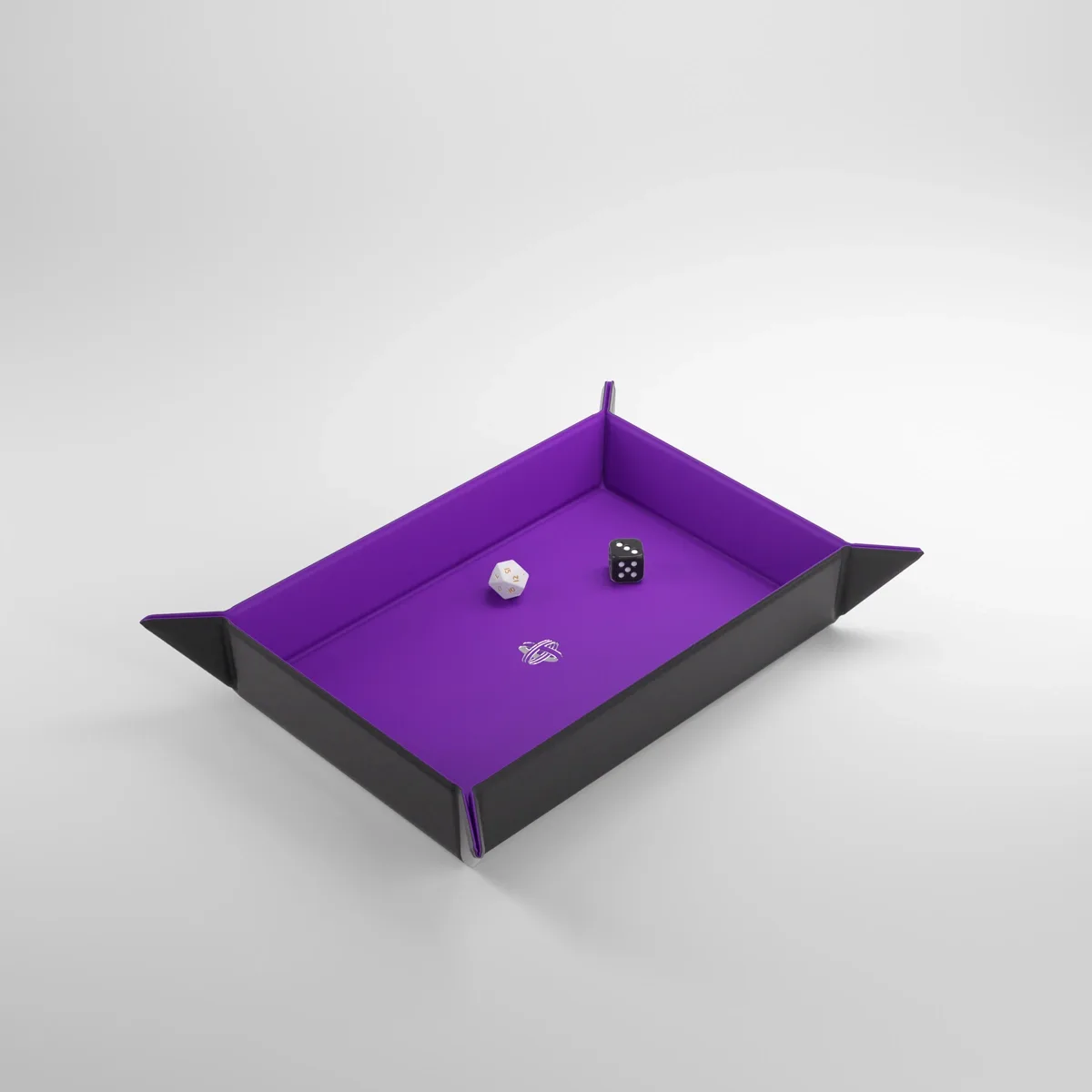
A dice tray organizer should do two jobs: give you a defined rolling area and hold dice between turns. Convertible designs that turn a lid into a magnetic dice tray save space in your bag and reduce setup time. Test the tray with your largest dice set before a game night. If dice jump out of the tray during a normal roll, the walls are too low or the surface is too hard. A tray with slightly raised edges and a soft interior keeps dice contained and quieter.
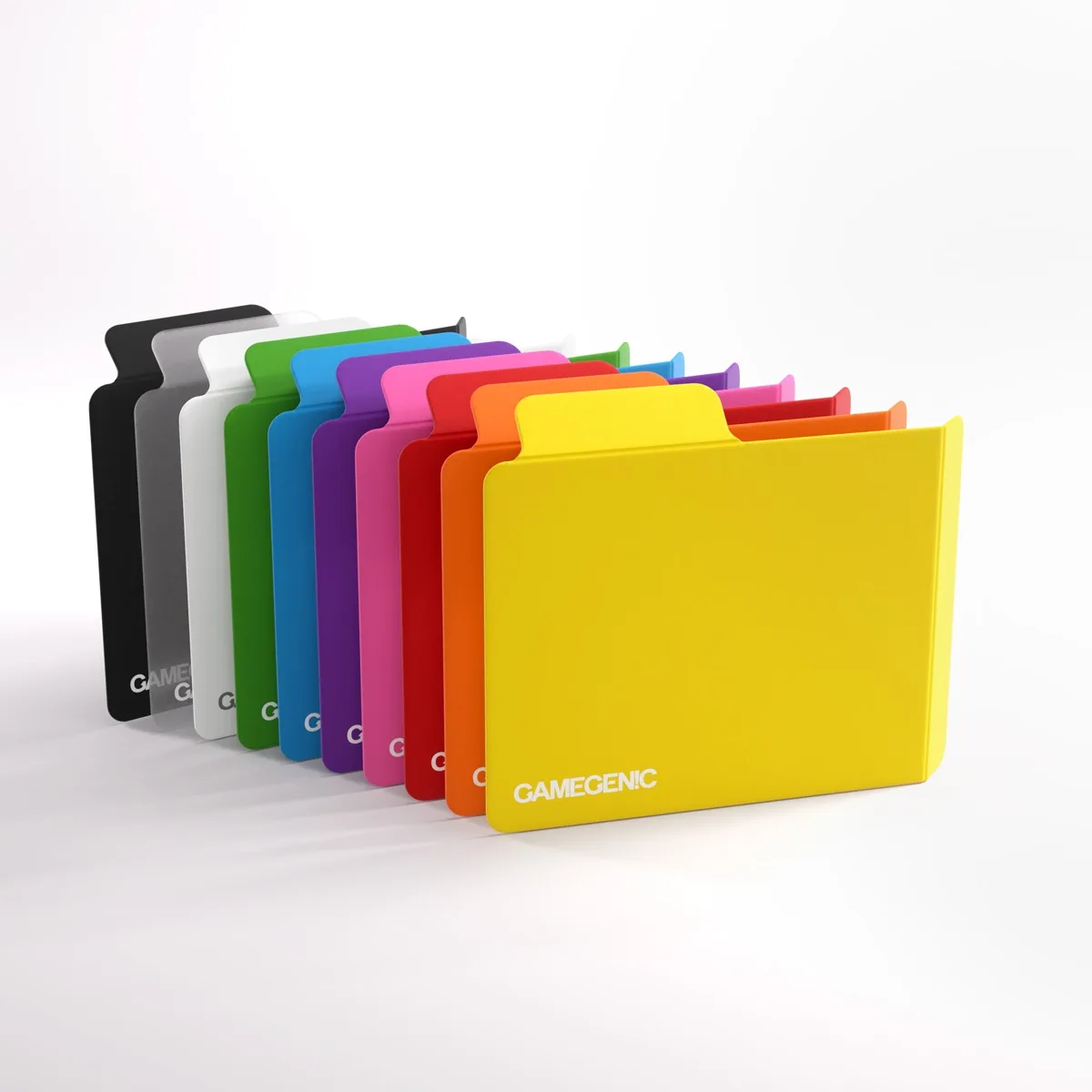
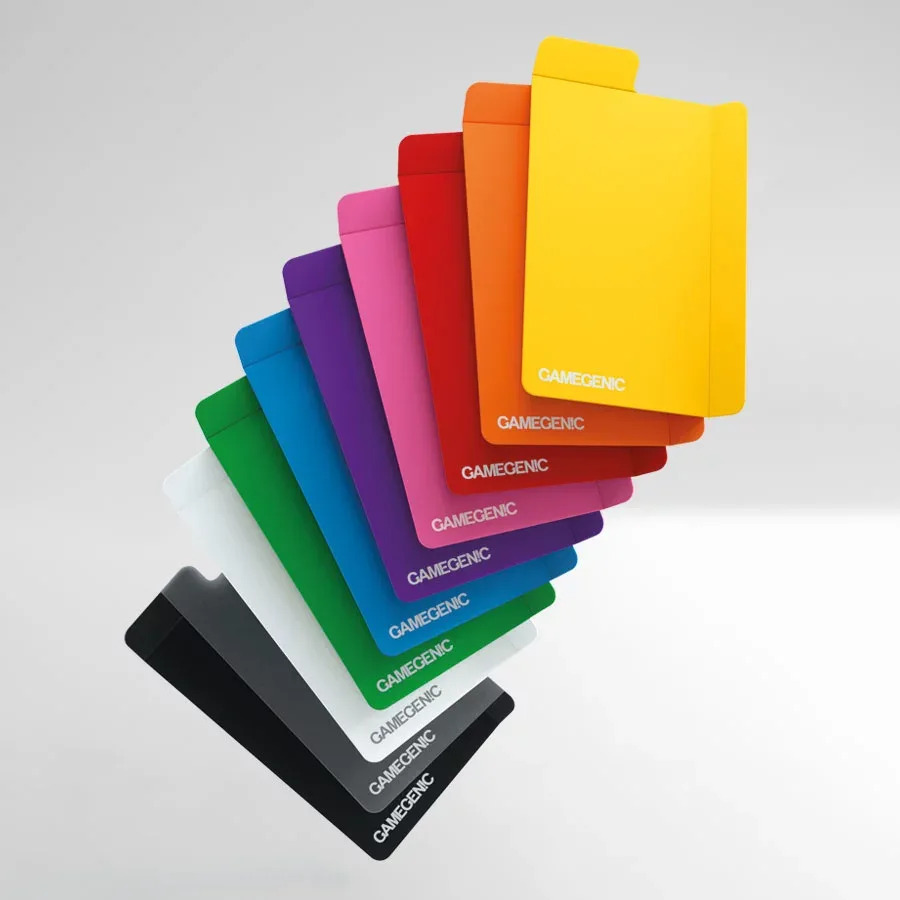
Use card dividers for tokens and small cards
Card dividers for tokens keep small cards, dials, and punchboard tokens from mixing. Label dividers by token type, not by game, so you can pull the same divider for any session. If your token cards are double-sleeved, check the internal height of your storage before filling it. A box rated for a certain number of double-sleeved cards will hold fewer if you add dividers, so leave a little slack. Dividers also make it obvious when a token type is running low.
Build a life counter setup that stays visible
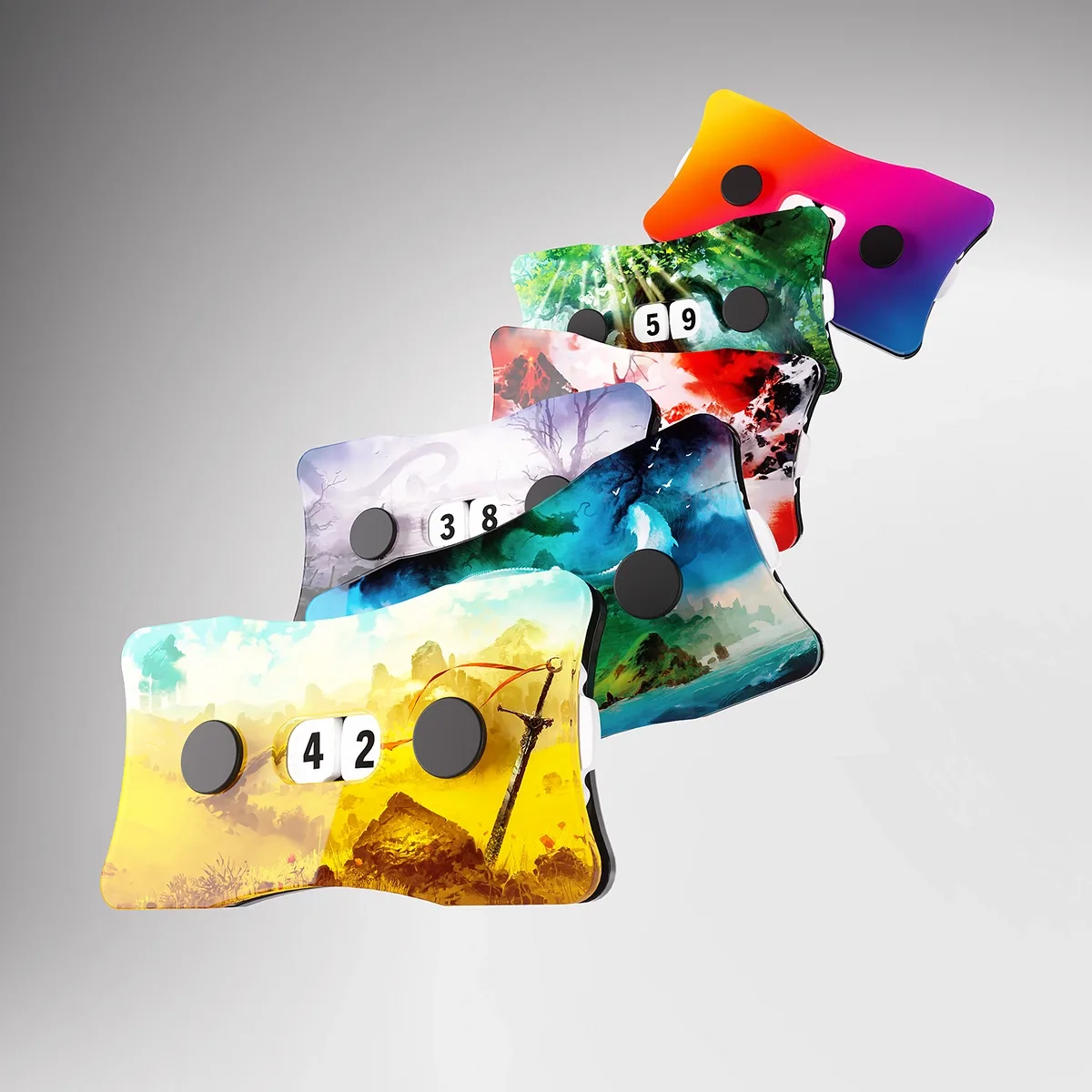
A life counter setup fails when it is buried under tokens or dice. Keep life counters, dials, and any tracking cards in the top layer of your kit or in a dedicated side pocket. If your counter uses small cards, store them with the same card dividers for tokens so they do not bend. Before each session, set every counter to its starting value and confirm the mechanism moves freely. A sticky dial mid-game is harder to fix than a two-second check beforehand.
Pack the kit so the heaviest items sit at the bottom
Board game component storage fails when heavy items crush lighter ones. Place dice and metal counters at the bottom, token trays in the middle, and cards or dials on top. If your bag has a dedicated deck box slot, use it for the deck you are playing rather than loose tokens. Keep a small empty compartment for tokens that come out during play, so the table does not become the storage area. This one habit prevents most end-of-night sorting.
Your step-by-step game night kit routine
- Empty and sort every component by role: Spread all tokens, dice, cards, and tools on a table. Group them into tokens and counters, dice, cards, and tools. Count each group so you know the real volume. Checkpoint: if one group fills more than half your current storage, that group needs its own container.
- Match storage to each group: Use a token storage solution with removable trays for counters, a dice tray organizer for dice, and card dividers for tokens or small cards. Keep life counters in a visible top layer. Common mistake: buying one large box for everything and then digging through it every turn.
- Test the dice tray with your largest dice: Roll your biggest and heaviest dice in the tray. If they escape or bounce hard, add a liner or choose a tray with higher walls. Checkpoint: dice should stay inside after a normal roll without you chasing them.
- Label dividers by token type, not by game: Write generic labels such as damage, +1/+1, shield, or resource. This lets you reuse the same divider across multiple games. Common mistake: labeling by game name, which forces you to reorganize when you switch titles.
- Pack heavy items low and light items high: Put dice and metal counters at the bottom, token trays in the middle, and cards or dials on top. Leave one empty compartment for tokens that come out during play. Checkpoint: close the kit and shake it gently. If you hear sliding, repack before you leave.
- Reset the kit after every session: Return tokens to their labeled dividers, set life counters back to their starting value, and put dice back in the tray. This takes two minutes and prevents the next session from starting with a sorting job. Next step: keep a small spare pouch for tokens that do not fit a category yet, then sort it monthly.
Products that support this routine
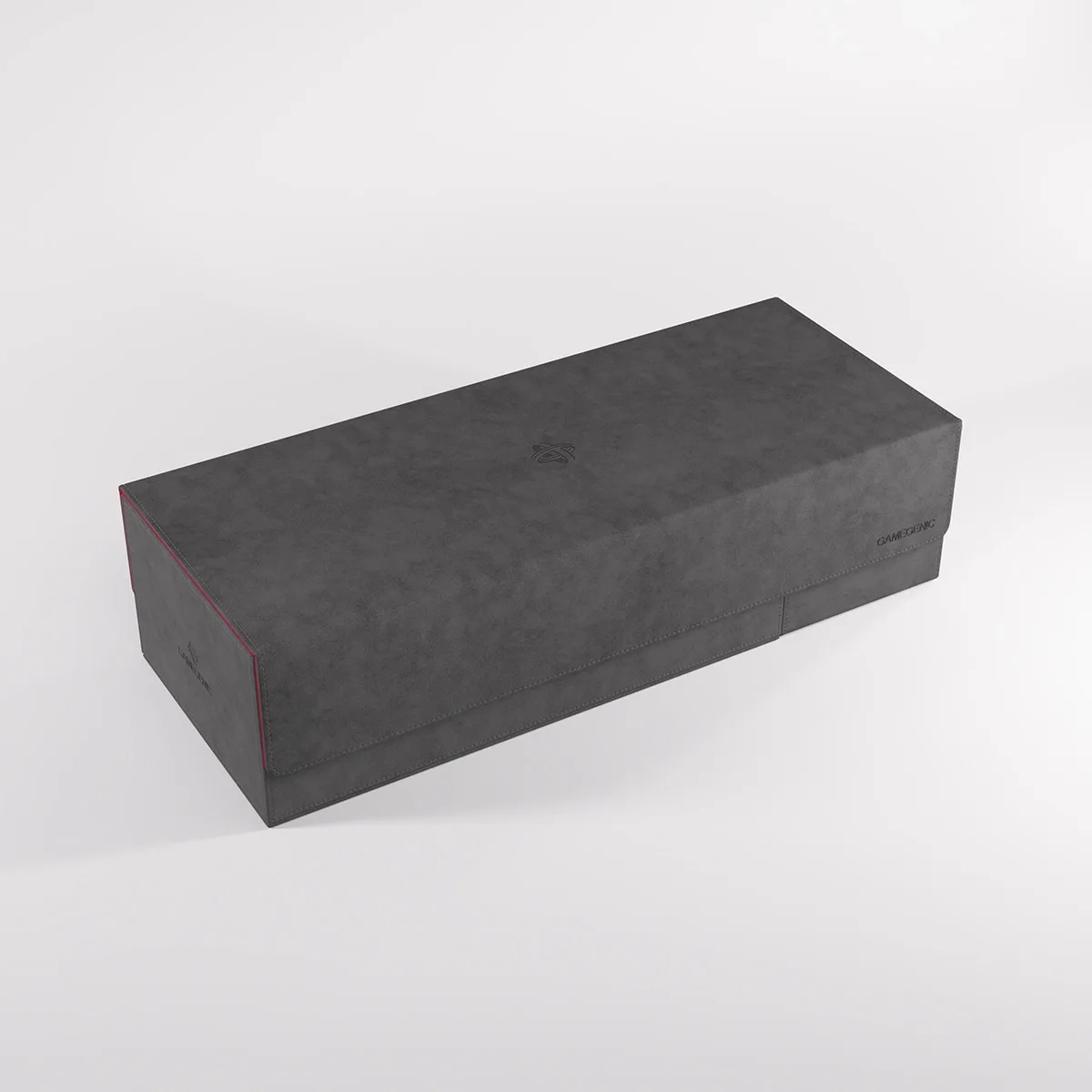
- GAMES’ LAIR600+ CONVERTIBLE: The Games’ Lair 600+ Convertible has a fully removable cover that converts into a magnetic dice tray and can hold 600 double-sleeved or 800 unsleeved cards plus accessories and miniatures. This gives you a single case that covers token storage, card storage, and a dice tray organizer without packing three separate containers.
- TOKEN SILOCARDS ADD-ON: The Token Silo Cards Add-on is a 3-piece set that exchanges trays from the original Token Silo; the big tray holds 40 single-sleeved cards. If your token storage needs more card capacity, this add-on expands the system you already own instead of forcing a new purchase.
- STAR WARS™: UNLIMITEDSOFT CRATE: The Star Wars: Unlimited Soft Crate is a full-color printed deck box that protects a full double-sleeved deck of 60 cards and includes a token box with a click-lock mechanism. For Star Wars: Unlimited players, this keeps the deck and its tokens together in one budget-friendly box, which simplifies the packing step.