Quick answer
To use packing cubes effectively, group items by category and pack each group into its own cube, then place the cubes into your suitcase in order of weight and access frequency. Start with the heaviest, least-used items at the bottom, and keep the lightest, most-used items near the top or front. This simple system keeps your suitcase organized and makes repacking fast.
Packing cubes turn a pile of clothes into a tidy, modular system. Instead of digging through a disorganized suitcase, you open a cube and find exactly what you need. The method works for any trip length, but it pays off most on multi-stop journeys where you unpack and repack repeatedly.
This guide walks you through a repeatable process, from choosing the right cubes to loading your suitcase for easy access. Along the way, you'll see how specific bags in our catalog put these principles into practice.
Why packing cubes work
Packing cubes create boundaries inside your suitcase. By grouping similar items, you compress them slightly and keep them from spreading out. That means less wasted space and far less time spent searching for a missing sock or charger.
They also make it easy to lift one cube out without disturbing the rest. If you're staying in multiple places, you can treat each cube like a drawer. When you return home, unpacking is just as fast because everything is already sorted.
- Use cubes to separate clean clothes from laundry or shoes.
- Choose cubes with mesh tops if you want to see contents without opening them.
Step 1: Choose the right cubes for your trip
Start by matching cube sizes to your suitcase and trip length. A carry-on usually fits two to three medium cubes plus a small one for accessories. For checked luggage, you can add a large cube for bulky items like sweaters or jackets. If you're packing for two people, use different colors per person to avoid mix-ups.
Look for cubes with durable zippers and a lightweight fabric that won't add bulk. Compression cubes with a second zipper can save extra space, but they also add a bit of weight. Decide what matters more for your trip.
- Measure your suitcase interior before buying a set to avoid cubes that are too large.
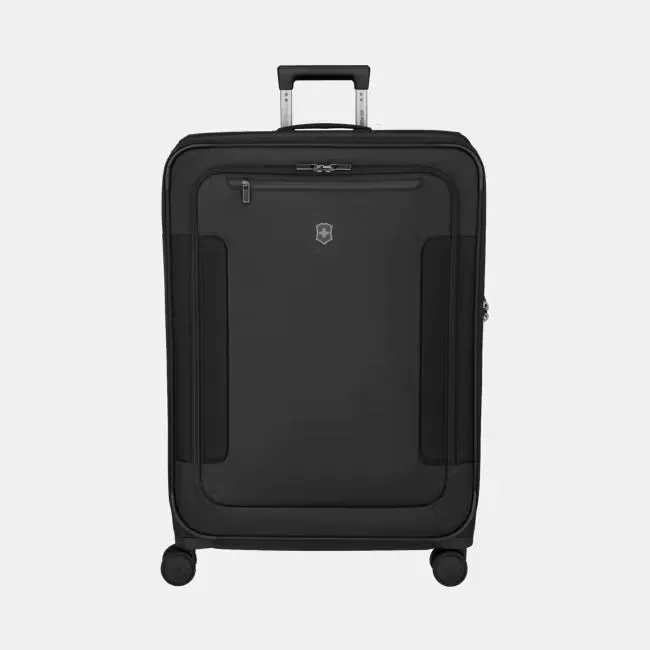
- A removable packing cube organizer, like the one in the VersaPack®+ Carry-On Spinner, can double as a standalone bag at your destination.
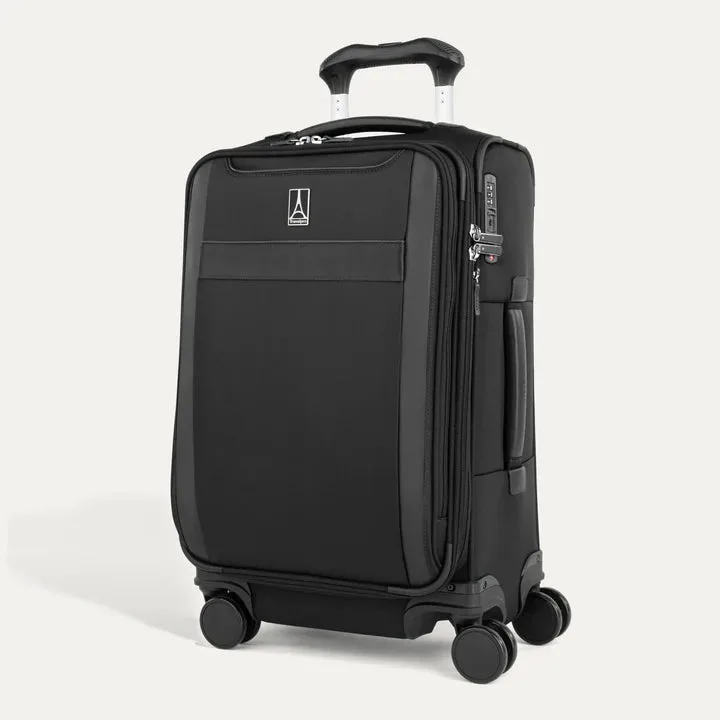
VersaPack®+ Carry-On Spinner
Step 2: Sort your items by category
Before you pack anything, lay everything out and sort it into groups: tops, bottoms, underwear, socks, toiletries, electronics, and shoes. This step prevents overpacking because you see exactly what you have. It also makes it obvious if you're bringing five pairs of jeans for a three-day trip.
Once sorted, assign each group to a cube. Keep small items like socks and underwear in a small cube, and use medium cubes for shirts and pants. If you're bringing a suit or dress, consider a garment bag or a dedicated garment folder instead of a cube.
- Roll or fold clothes depending on the fabric; rolling works well for casual knits, while folding is better for wrinkle-prone shirts.
- Place a dryer sheet or cedar block in each cube to keep clothes smelling fresh.
Step 3: Pack each cube efficiently
Fill each cube to about 80% capacity. Overstuffing strains zippers and creates lumps that waste space. For clothes, roll them tightly and line them up side by side, or use the bundle method for wrinkle-prone items. Use the cube's internal compression strap if it has one.
For shoes, use a separate shoe bag or a dedicated cube to keep dirt away from clothes. The VersaPack®+ Carry-On Spinner includes two shoe bags that isolate footwear, which is a simple but effective way to protect the rest of your packing.
- Pack heavier items at the bottom of the cube and lighter items on top.
- Leave a little slack in the zipper before closing to avoid catching fabric.
Step 4: Load cubes into your suitcase
Place the heaviest cubes closest to the wheels or the bottom of the suitcase, where weight is easiest to manage. Lighter cubes go on top or toward the front. If you're using a spinner, keep the center of gravity low to prevent tipping when the bag is upright.
Think about access frequency. Items you'll need during travel—like a jacket, snack, or charger—should go in an outer pocket or a top-layer cube. Items you won't touch until you reach your hotel can go at the bottom.
- Use the suitcase's own compression straps or lid pocket to secure cubes and prevent shifting.
- If your suitcase has a removable packing cube organizer, use it as the top layer for easy access.
Step 5: Adjust and repack as you go
After the first leg of your trip, you'll learn what you actually use. Repack used items into a dedicated laundry cube or bag, and move the cubes you need most to the top. This keeps the system working even on longer journeys.
If you're traveling with a backpack, the same principles apply. The Travelon: Anti-Theft Metro Backpack has a water-resistant exterior and built-in security, so you can carry your cubes confidently in urban environments. Its clean lines and lightweight materials make it a practical choice for city travel.
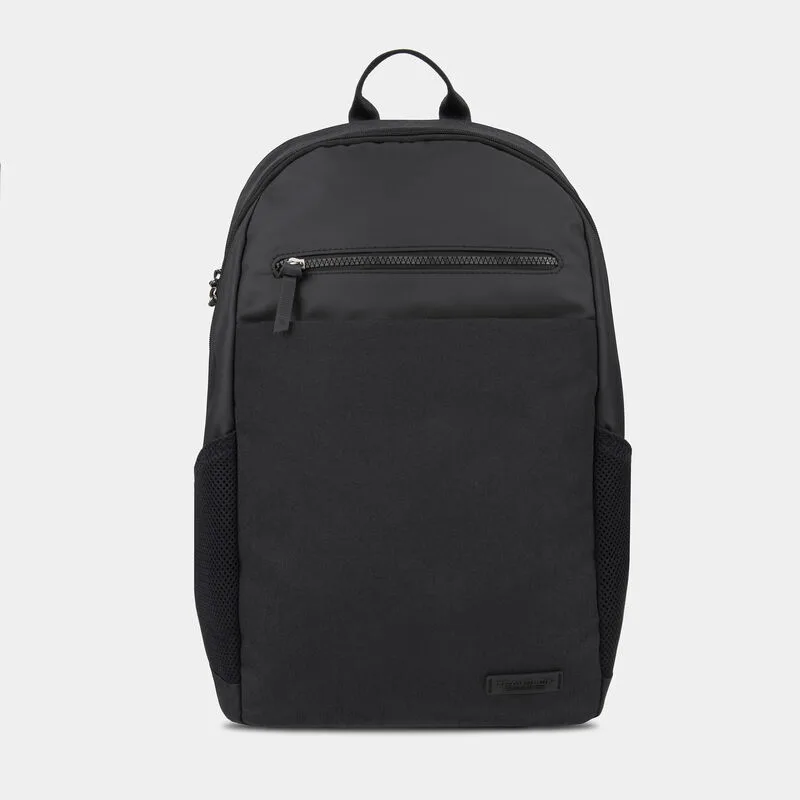
Travelon: Anti-Theft Metro Backpack
- Keep a small cube for dirty laundry separate from clean clothes.
- At the end of the trip, unpack cubes directly into drawers to save time.
Your packing cube checklist
- Sort by category: Lay out all items and group them into tops, bottoms, small items, toiletries, and electronics. Checkpoint: if a category has more than five items, reconsider what you really need.
- Match cubes to groups: Assign a cube size to each group based on volume and trip length. Checkpoint: cubes should fit your suitcase with room to spare for shoes or a jacket.
- Pack cubes to 80%: Roll or fold clothes and fill each cube without overstuffing. Checkpoint: zippers should close easily without force.
- Load by weight and access: Place heavy cubes at the bottom and frequently used cubes near the top or front. Checkpoint: the suitcase should stand upright without tipping when packed.
- Repack as you travel: Use a dedicated laundry cube and move used items out of the way. Checkpoint: at each stop, take two minutes to reset your cubes for the next leg.
Products that support this system
- VersaPack®+ Carry-On Spinner: Includes a removable packing cube organizer and compression system, plus two shoe bags. You get built-in organization without buying separate cubes, and the shoe bags keep footwear isolated.
- Travelon: Anti-Theft Metro Backpack: Water-resistant with built-in security and a minimalist design. A good option if you prefer a backpack for city travel and want to carry packing cubes securely.
- Werks Traveler 7.0 Large Case: Designed for business travel with dedicated storage features and premium construction. The large capacity gives you room for multiple cubes on longer trips, and the business features keep work items separate.
Packing cubes are a simple upgrade that makes any suitcase easier to live out of. Start with a small set, follow the steps above, and adjust based on what you actually use. Once you pack this way, you won't want to go back.