Quick Answer
A papaya enzyme cleanser uses natural proteases—specifically papain—to gently digest dead skin cells on the surface, offering non-abrasive exfoliation that brightens skin without the irritation of physical scrubs.
Why Enzyme Cleansers Are Different from Scrubs
Physical exfoliants rely on gritty particles to manually slough off dead skin, which can cause micro-tears and irritation for sensitive skin types. Enzyme cleansers, on the other hand, work chemically. The papain in papaya enzyme cleanser targets the keratin protein in dead skin cells, breaking them down so they rinse away naturally. This makes enzymatic facial cleansers a preferred choice for those with reactive or acne-prone skin who still want regular exfoliation.
Because enzymes are active biological compounds, they are most effective at the right pH and temperature. A gentle exfoliating cleanser like the Papaya Enzyme Cleanser is formulated to maintain enzyme stability, so you get consistent results without needing to adjust your water temperature drastically.
Who Benefits Most from Non-Abrasive Exfoliation
Anyone with dull, uneven texture or clogged pores can see improvement, but enzyme cleansers shine for specific skin concerns. If you have rosacea, eczema, or frequent breakouts, a papaya enzyme face wash reduces the risk of inflammation that comes with manual scrubbing. It also works well as a pre-treatment for serums and moisturizers, since removing the outer layer of dead cells allows active ingredients to penetrate more effectively.
That said, enzyme exfoliation is gentler and slower than chemical peels or retinoids. You won't see dramatic peeling overnight—instead, expect a gradual brightening over several weeks of consistent use. For deep hyperpigmentation or advanced photoaging, you may need to pair it with other treatments.
How to Use Papaya Enzyme Cleanser for Gentle Exfoliation
- 1. Start with Damp Skin: Wet your face with lukewarm water. Avoid hot water, which can denature the enzymes and reduce their effectiveness. Checkpoint: Water that feels warm but not steaming is ideal—test on your wrist first.
- 2. Dispense and Massage Gently: Squeeze a pea-sized amount of the papaya enzyme cleanser onto your fingertips. Massage onto damp skin using light circular motions for 30–60 seconds. Focus on areas with rough texture, like the nose and chin. Common mistake: Pressing too hard or scrubbing vigorously. Let the enzymes do the work—light pressure is all you need.
- 3. Let It Sit Briefly (Optional): For extra exfoliation, leave the cleanser on your skin for 1–2 minutes before rinsing. This gives the papain more time to break down dead cells. Do not exceed 2 minutes, as over-exposure may cause mild tingling. Checkpoint: If you feel stinging or burning, rinse immediately and reduce the leave-on time next use.
- 4. Rinse Thoroughly with Lukewarm Water: Splash your face several times to remove all traces of the cleanser. Pat dry with a clean towel—do not rub. Common mistake: Leaving residue behind can lead to clogged pores. Double-check along the jawline and hairline.
- 5. Follow with Moisturizer: Apply a hydrating moisturizer or serum immediately after drying. Enzyme exfoliation can temporarily increase skin sensitivity, so locking in moisture is essential. Checkpoint: If you use active ingredients like retinol or AHAs, apply them after your moisturizer on exfoliation days to reduce irritation.
Product Spotlight
-
Papaya Enzyme Cleanser: Protease enzymes such as Papain are used in skincare to break down old, dead skin cells on the surface of the skin to help the skin appear brighter. This means the Papaya Enzyme Cleanser actively dissolves the protein bonds holding dead cells together, so you get gentle exfoliation without scrubbing or harsh chemicals.
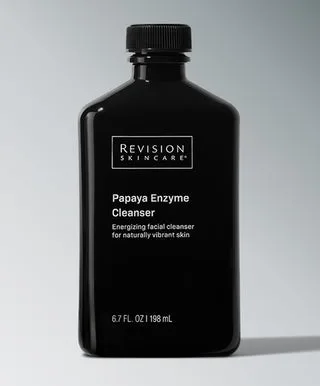
Papaya Enzyme Cleanser