Quick answer
Freeze scones and pastries the day you get them, wrapped tight and separated, then reheat in a 300-325°F oven until warm, not hot. Serve scones split, warmed briefly, with butter, jam, or cream on the side. For same-day eating, keep them at room temperature in a paper bag or loose foil, never in the fridge.
Pastries and scones are simple to keep, but the wrong wrap or a cold fridge can turn them dry or soggy fast. Most of the questions below come up because the answer depends on whether you plan to eat them today or weeks from now.
Here are direct answers to the pastry storage questions we hear most, with specific temperatures, wraps, and timing so you can decide quickly.
Can you freeze scones, and how long do they keep?
Yes, scones freeze well. Cool them completely, wrap each one tightly in plastic wrap or foil, then place them in a freezer bag with the air pressed out. They keep about 2 to 3 months without noticeable quality loss. If you bought a boxed set such as Raspberry Meringues 18 pk, keep in mind that meringues are a different case: they need a dry, airtight container at room temperature, not the freezer, because moisture turns them sticky.
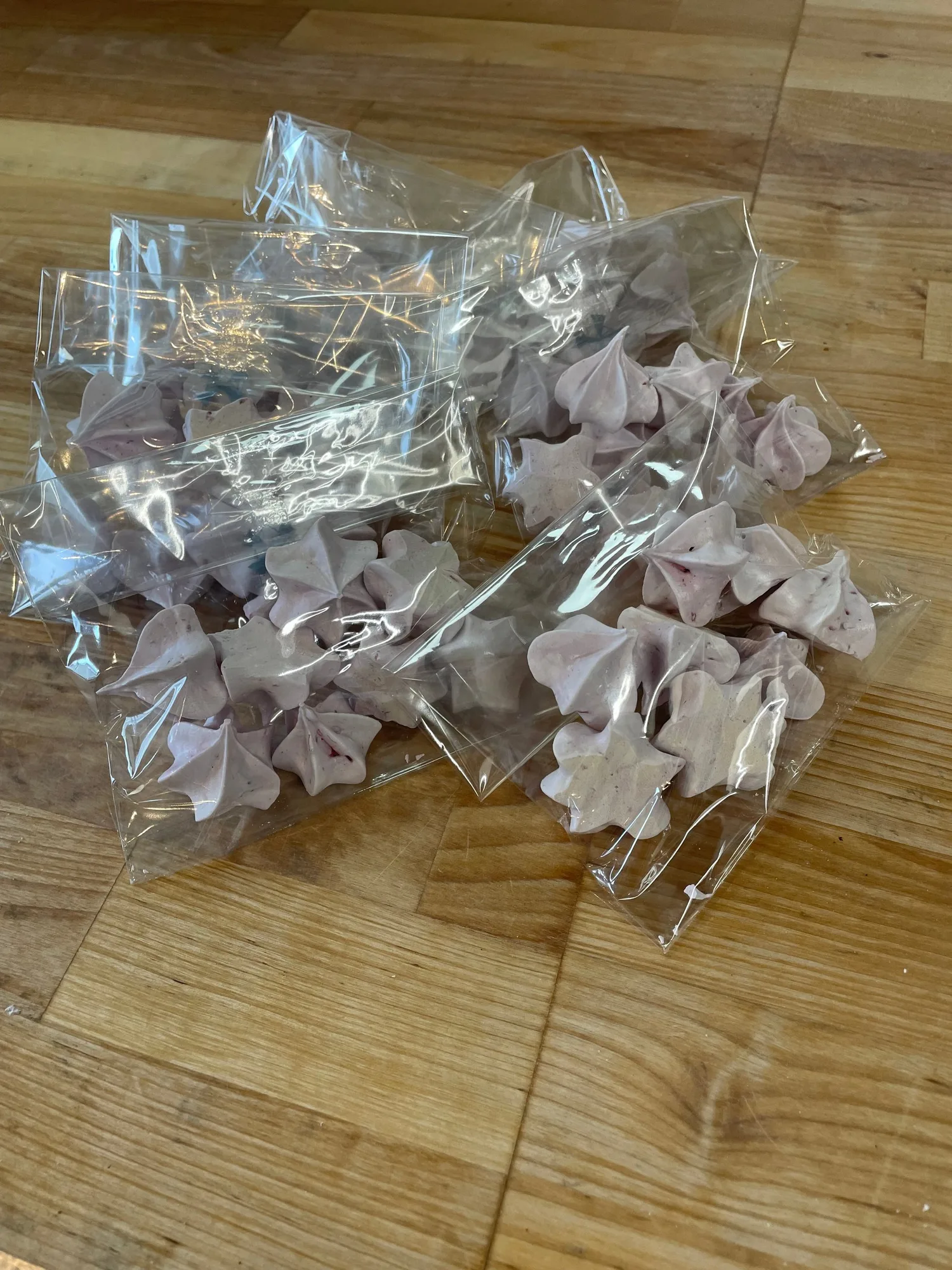
Raspberry Meringues 18 pk
- Freeze the same day you buy for the best texture.
- Label the bag with the date so you can rotate older scones first.
- Thaw overnight in the fridge only if you plan to reheat; otherwise thaw at room temperature for 30-60 minutes.
How do you reheat pastries without drying them out?
The oven is the safest way to bring back a crisp edge. Set it to 300-325°F, put pastries on a sheet pan, and warm for 5-8 minutes for small items or 10-12 minutes for larger ones. A quick spritz of water on the crust before heating helps if the pastry is already a bit dry. The microwave works in a pinch but makes scones and laminated pastries rubbery, so use short 10-15 second bursts and eat immediately.
- Skip the microwave for anything with a flaky or crisp crust.
- For glazed or frosted items, lower the oven to 275°F to avoid melting the topping.
- Reheat only what you will eat; repeated warming dries pastries out.
How should you serve scones?
Warm scones for 5 minutes in a 300°F oven, then split them horizontally with a fork or serrated knife rather than pulling them apart, which crushes the crumb. Serve with butter, jam, clotted cream, or lemon curd on the side so each person can add their own. If you are serving a crowd, arrange them in a basket lined with a clean towel and keep the basket near the oven so they stay warm through the first round.
- Offer both a sweet and a savory spread when serving a mixed group.
- For a larger spread, pair scones with a simple fruit salad or yogurt.
- Set out small knives so guests can split and top their own scones.
What is the best way to keep pastries fresh?
For same-day and next-day eating, keep pastries at room temperature in a paper bag or loosely wrapped in foil. Plastic wrap traps moisture and softens crisp edges, so use it only if you plan to freeze the item. The fridge is the worst place for most baked goods because cold air speeds staling; the exception is anything with a perishable filling like custard or fresh cream, which should be refrigerated and eaten within a day or two.
- Store crisp pastries uncovered for the first few hours, then wrap loosely.
- Keep soft cakes and cupcakes in a sealed container to prevent drying.
- If a pastry turns soggy, a few minutes in a 300°F oven can bring back the crust.
How do you store a celebration cake or cupcakes?
A frosted cake like Vanilla Chocolate Cake holds up best at cool room temperature for 1-2 days, covered with a cake dome or an inverted bowl. If your kitchen runs warm, refrigerate it and let slices sit out for 15-20 minutes before serving so the buttercream softens. Cupcakes follow the same rule: keep them in a sealed container at room temperature, and refrigerate only if the frosting contains perishable ingredients.
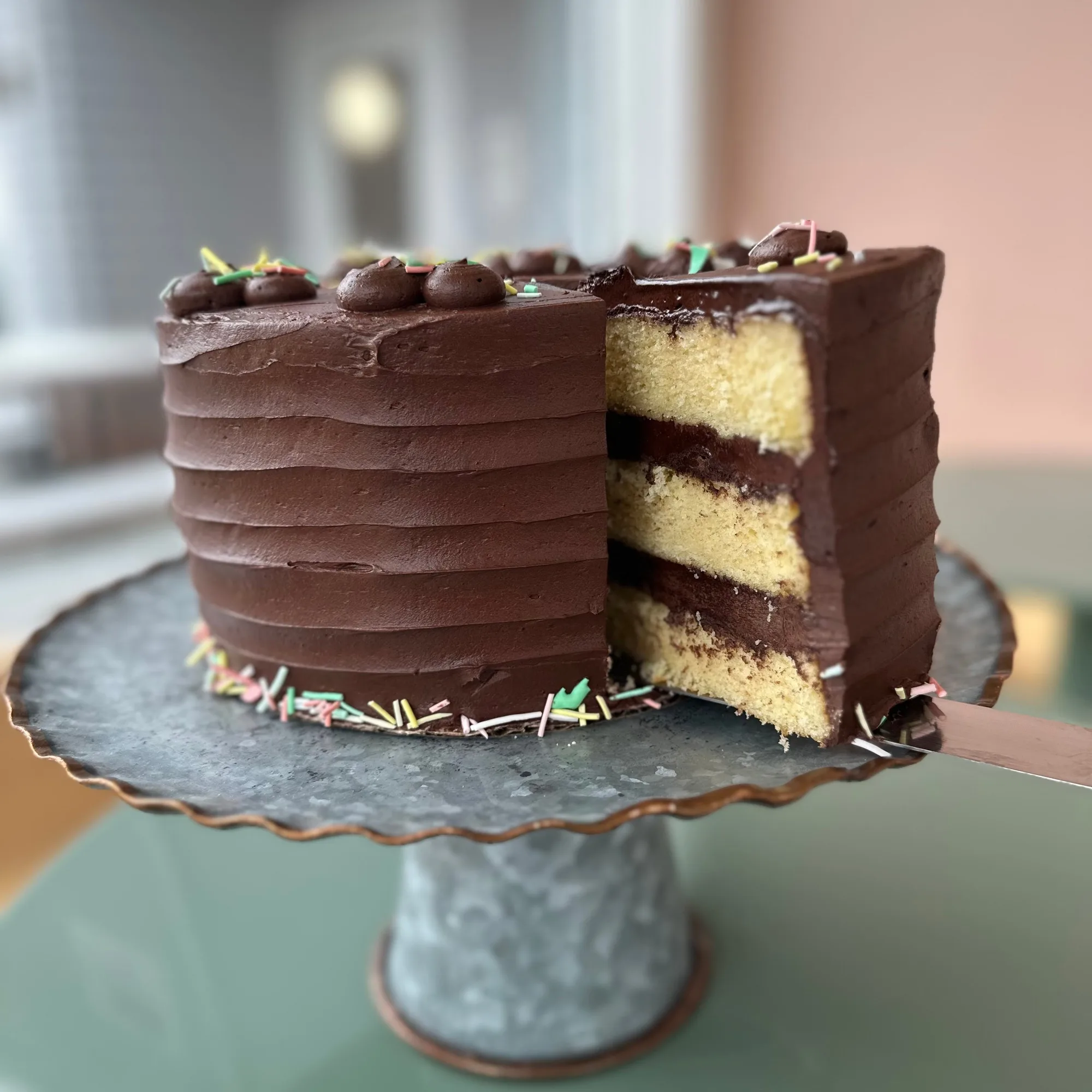
Vanilla Chocolate Cake
- Slice with a warm, dry knife for cleaner cuts through buttercream.
- For cupcakes, store upright so the frosting does not smear.
- Freeze un-frosted cake layers for up to 2 months if you need to bake ahead.
Quick reference: pastry and scone storage and serving
Freezing scones
Wrap each cooled scone tightly and freeze up to 2-3 months; thaw at room temperature or reheat from frozen at 300°F for 10-12 minutes. Freeze the day you buy for the best texture.
Reheating pastries
Use a 300-325°F oven for 5-12 minutes depending on size; avoid the microwave for flaky or crisp items. Reheat only what you will eat right away.
Serving scones
Warm briefly, split with a fork, and offer butter, jam, or cream on the side so guests can top their own. Keep the basket near the oven so refills stay warm.
Products that make storage and serving easier
- Raspberry Meringues 18 pk: Packaged meringue treat offered in an 18-piece count, tagged for commissary, retail, and wholesale use. Meringues need dry, airtight storage rather than the fridge or freezer, so this pack size suits a party or a few weeks of small servings.
- Vanilla Chocolate Cake: An 8-inch, 3-layer celebration cake made with vanilla sponge and chocolate buttercream. Its size and structure mean you can serve it over a couple of days; cover and keep it cool, and let slices warm slightly before eating.
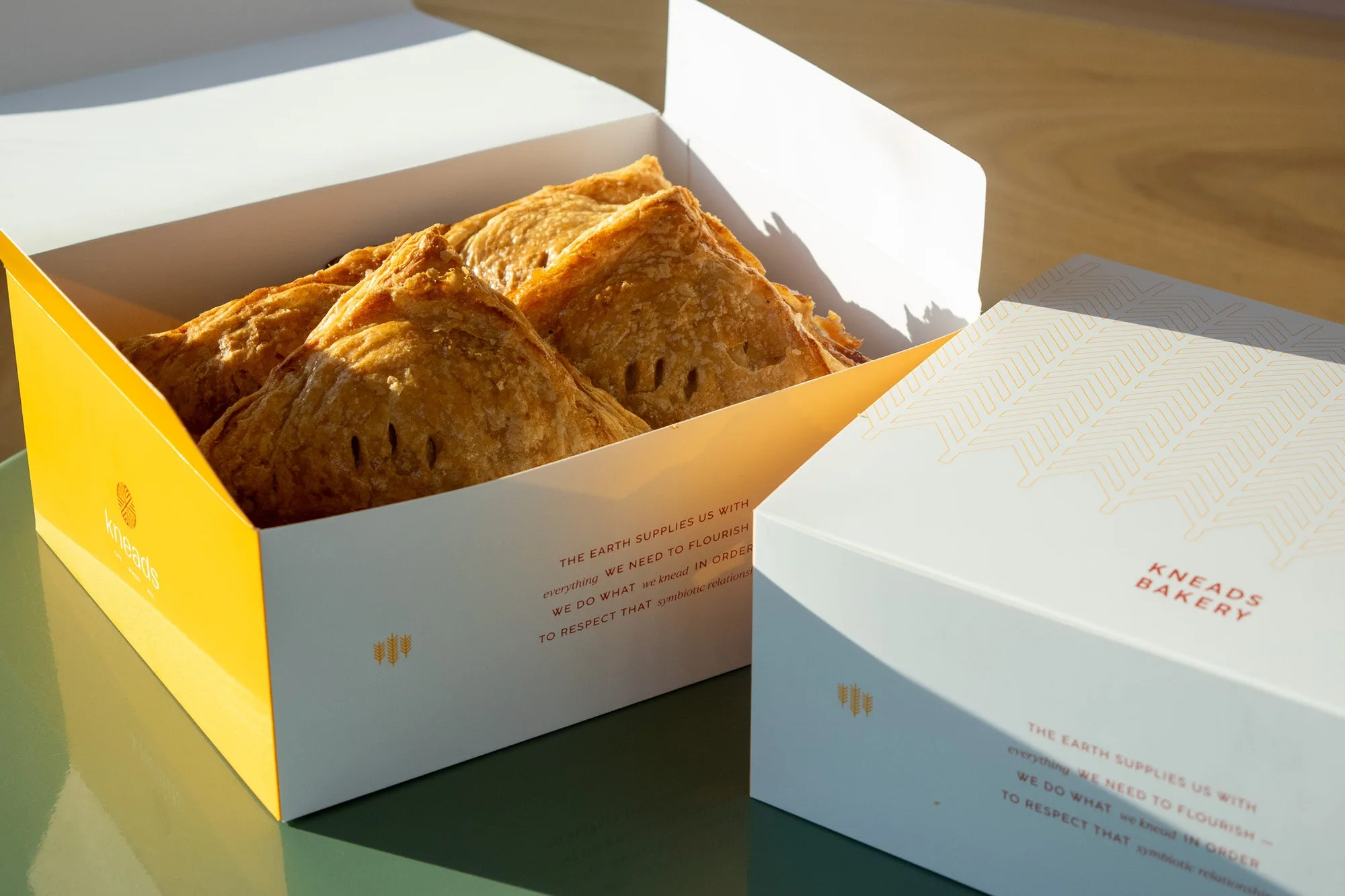
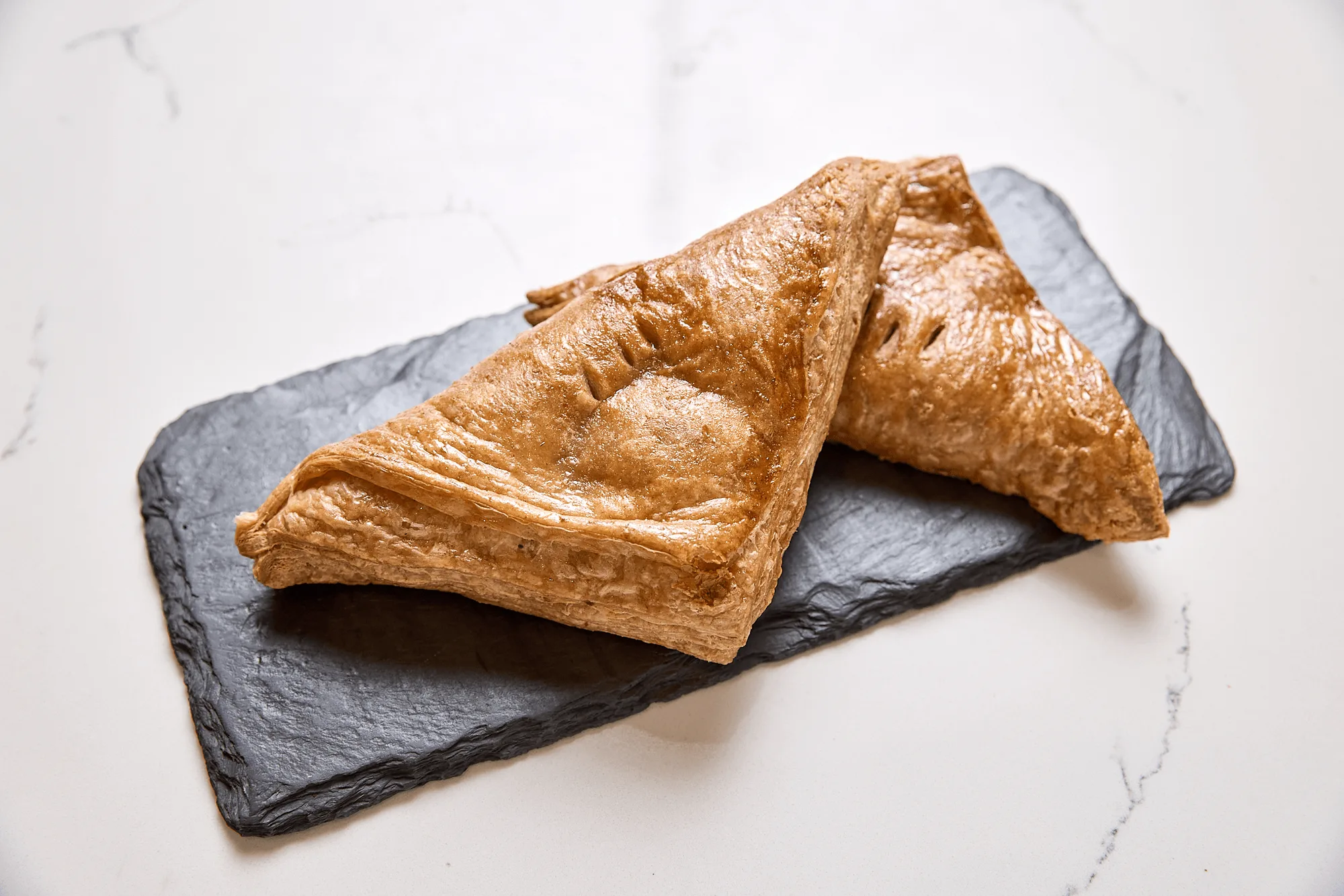
- https://kneadsbakeshopcafe.com/products/apple-turnover-box-c894c259978f8499f2b03c80-1645690Apple Turnover Box: One dozen Mutsu apple turnovers per box, boxed for pastry catering. Turnovers reheat well in a 300-325°F oven, so a box gives you easy portions to warm as needed instead of all at once.
Most pastry problems come down to moisture and temperature. Freeze what you will not eat in a day or two, reheat in a moderate oven, and serve scones warm with the toppings on the side. That covers nearly every pastry storage question without extra equipment.