Quick answer
You may need a personal lubricant if dryness causes discomfort during intimacy or daily activities. For sensitive skin, choose a water-based, pH-balanced formula with minimal ingredients, and patch-test before full use. If you also use a gentle intimate wash, keep both routines simple to avoid irritation.
Signs You Might Actually Need a Lubricant
Dryness is common and can stem from hormonal changes, medications, stress, or simply not enough natural lubrication. If you notice friction, stinging, or lingering soreness during or after sex, a lubricant can restore comfort. It can also help with inserting menstrual cups, dilators, or during pelvic floor therapy. You do not need a lubricant if you have no discomfort and your natural lubrication is sufficient. But if dryness interferes with pleasure or daily comfort, it is worth trying.
Ingredient Checks for Sensitive Skin
Sensitive skin reacts to common lubricant ingredients like glycerin, parabens, propylene glycol, and added fragrances. Scan the label for these and opt for shorter ingredient lists. Water-based formulas are least likely to irritate, but they can dry out quickly; silicone-based lasts longer but may not be compatible with silicone toys. Oil-based lubricants can weaken latex condoms and may disrupt vaginal pH, so they are usually not ideal for sensitive skin. Look for pH-balanced products and terms like 'gentle' or 'hypoallergenic'—but remember these are not regulated, so ingredient review matters more.
How to Test a New Lubricant Without Wrecking Your Skin
Before using a new lubricant internally, do a patch test on your inner forearm or outer labia. Apply a small amount and wait 24 hours. If you feel burning, itching, or see redness, stop. Even gentle products can cause reactions if you have a specific allergy. Also, introduce one new product at a time so you can identify the culprit if irritation occurs. If you already use a gentle intimate wash, keep that routine stable while testing a lubricant.
Water-Based vs. Silicone-Based: Trade-Offs That Matter
Water-based lubricants are easy to rinse, safe with all condoms and toys, and least likely to clog pores. The trade-off: they absorb into skin and may need reapplication. Silicone-based lubricants last longer and feel silkier, but they require soap and water to remove and are not for use with silicone toys. Hybrid formulas combine both. For sensitive skin, start with a water-based, glycerin-free option; if you need longer-lasting comfort, try a silicone-based one and see how your skin responds.
Decision Rules for Buying a Personal Lubricant
- If you have very reactive skin: Choose a water-based, glycerin-free, fragrance-free lubricant with the shortest ingredient list you can find. Avoid anything labeled 'warming' or 'tingling'—those often contain irritants. Patch test on your forearm for 24 hours before intimate use.
- If you need long-lasting lubrication: A silicone-based lubricant lasts longer and needs less reapplication, but it is not compatible with silicone toys and requires soap and water to remove. Keep a water-based option for toy use and a silicone-based one for other moments.
- If you use condoms: Never use oil-based lubricants with latex or polyisoprene condoms—they weaken the material and increase breakage risk. Water-based and silicone-based are safe. Check the condom packaging for lubricant compatibility if unsure.
- If you are prone to yeast infections: Avoid lubricants with glycerin or high sugar content, which can feed yeast. Look for glycerin-free formulas and check with your doctor if infections are recurrent. Keep a symptom diary to see if a specific product triggers flare-ups.
Gentle Intimate Care Products That Pair Well
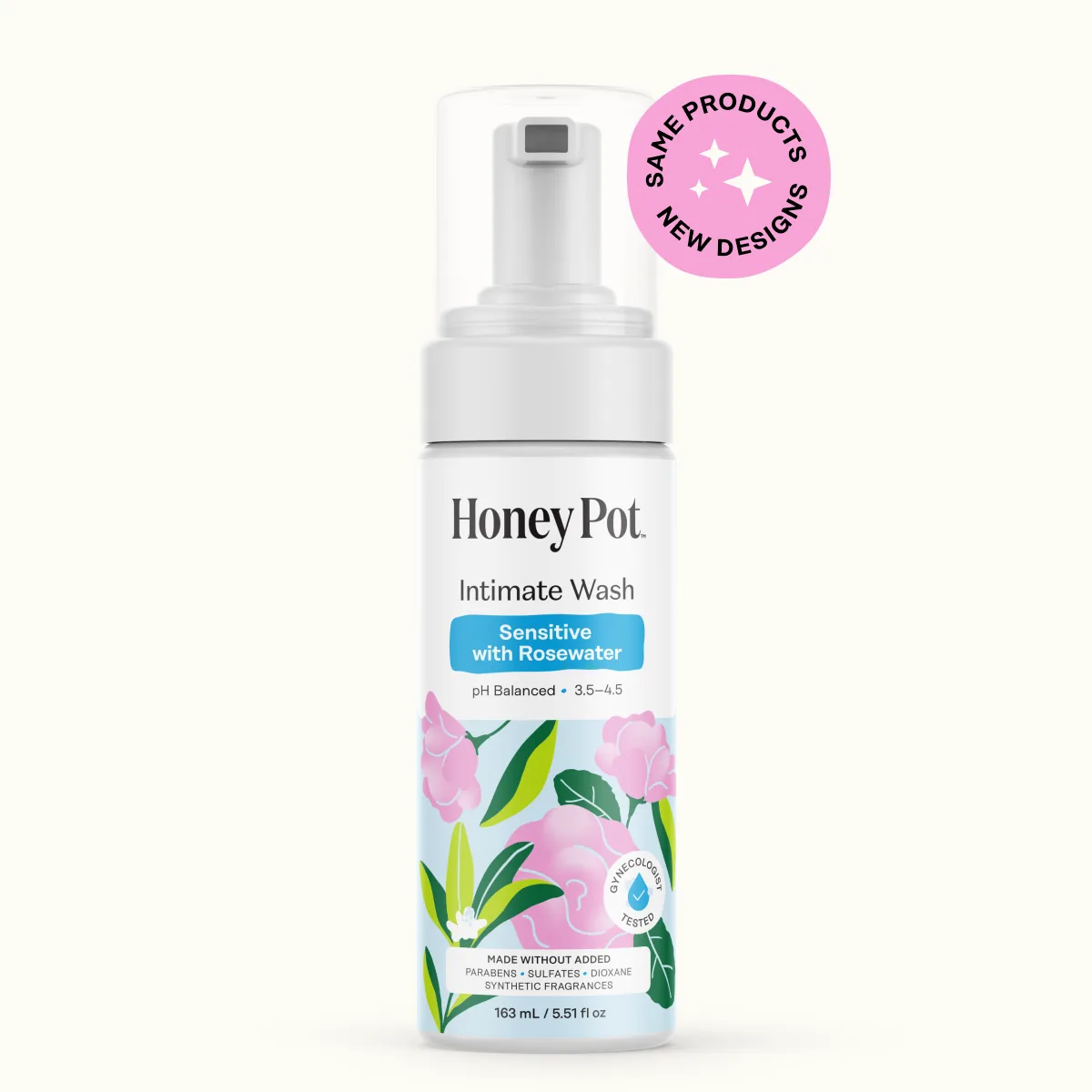
- Sensitive with Rosewater Intimate Wash: Sensitive with Rosewater Intimate Wash is a foaming vulva cleanser formulated with gentle herbs like rosewater, known to soothe, and is pH balanced for intimate skin. A pH-balanced wash helps maintain a healthy external environment, which can reduce irritation risk when you introduce a lubricant.
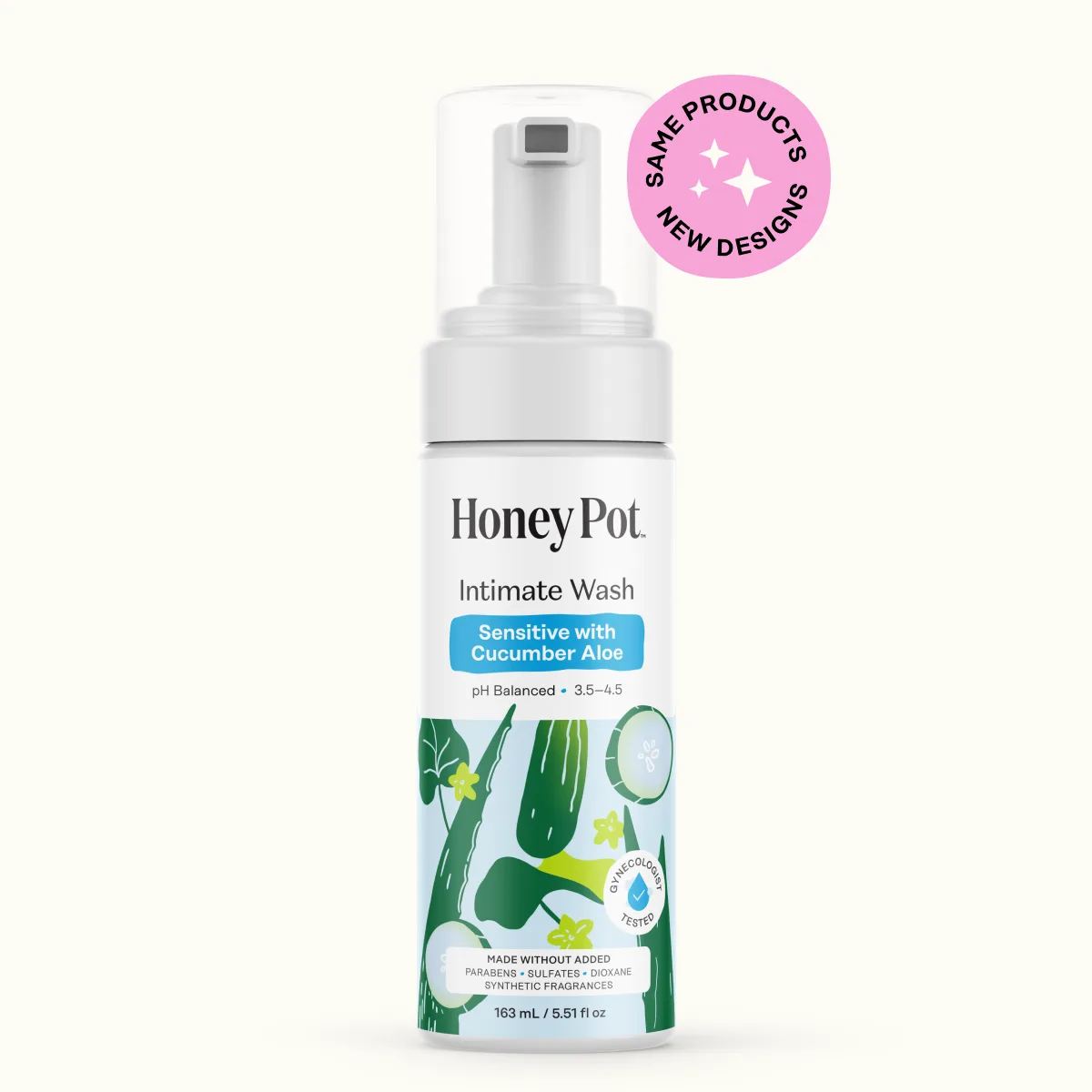
- Sensitive with Cucumber Aloe Intimate Wash: Sensitive with Cucumber Aloe Intimate Wash is a foaming cleanser with cucumber, known to cool, and aloe, known to soothe, and is pH balanced to cleanse without messing with vaginal pH. If you prefer a cooling sensation and gentle hydration, this wash can be a good match for a sensitive-skin routine that includes lubricant use.
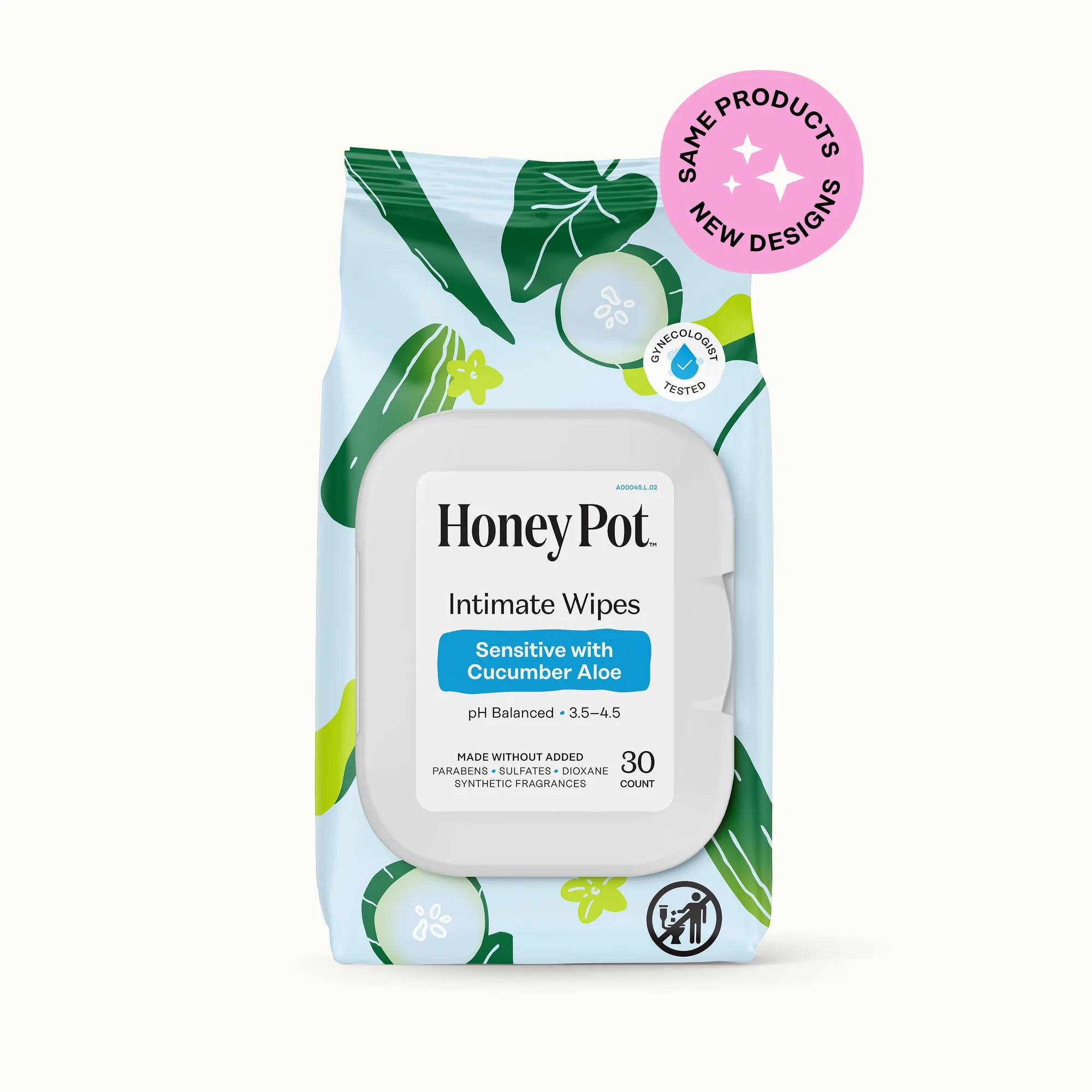
- Sensitive with Cucumber Aloe Intimate Wipes: Sensitive with Cucumber Aloe Intimate Wipes are gynecologist tested and infused with cucumber and aloe to hydrate and soothe without irritation or stickiness. Keeping wipes on hand lets you freshen up before or after intimacy without harsh ingredients that could compound sensitivity.
Who This Guide Is For
Best for
- Anyone experiencing occasional or persistent vaginal dryness
- People with sensitive skin who react to fragrances or common preservatives
- Those who want a simple, ingredient-conscious lubricant routine
Not for
- Anyone seeking a lubricant to treat a medical condition—see a healthcare provider instead
- People who prefer oil-based products for latex condom use—choose water-based or silicone-based
- Those looking for a scented or flavored lubricant—those often contain irritants