Quick answer
Start by offering the Picnic Set Spoon during a low-pressure snack, not a full meal. Model one scoop, hand it back, and let your toddler lead. Keep sessions to five minutes, expect spills, and replace a lost or worn spoon with the same component so the grip and size stay familiar.
Why the Picnic Set Spoon works for early utensil practice
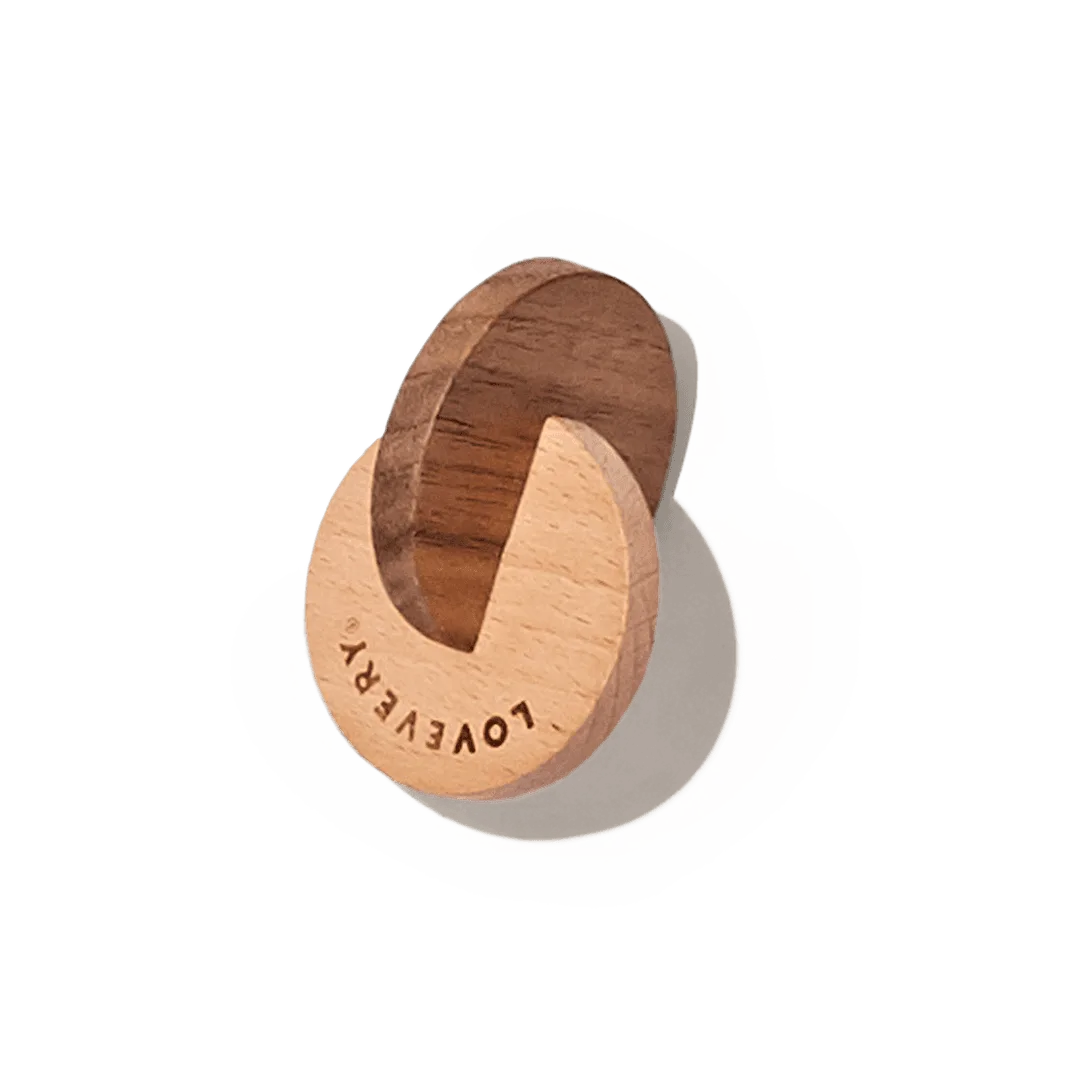
The Picnic Set Spoon is a replacement component for the Lovevery Pinkies Up Picnic Set, made to match the original set's design and size. That match matters: a toddler who has already handled the set's spoon recognizes the weight and length, so practice continues instead of restarting with an unfamiliar tool. The spoon supports imaginative play and fine motor skill development, which means it earns its place at the table and in the play kitchen.
Set up the table for practice, not perfection
Choose a thick food that clings to the spoon: mashed sweet potato, oatmeal, or full-fat yogurt. A thin puree slides off and teaches frustration. Use a suction bowl or a small bowl with a damp towel underneath, and seat your toddler so elbows are near table height. Keep a second spoon within reach so you can scoop without taking the spoon out of your child's hand.
When to size up or step back
If your toddler throws the spoon repeatedly, shorten the session and return to finger foods for a few days. If they scoop but miss their mouth, the food is likely too thin or the bowl is too deep. If they refuse the spoon entirely but still use the play kitchen, keep the spoon in the play set and try again at the next snack. The goal is repeated, low-stakes exposure, not a clean meal.
Self-feeding practice steps
- Step 1: Pre-load the spoon and hand it over: Dip the Picnic Set Spoon into a thick food, then place it in your toddler's hand with the handle resting against the palm. Let them bring it to their mouth without steering their wrist. Common mistake: loading the spoon while your child is already holding it, which turns practice into a tug-of-war. Checkpoint: your toddler accepts the spoon and brings it to their mouth, even if most of the food lands elsewhere.
- Step 2: Let your toddler try one scoop: Place the bowl close and low. Guide the spoon to the food once, then release. If they stab or drag, wait. Common mistake: correcting the scoop angle too early, which skips the sensory feedback that teaches grip pressure. Checkpoint: your toddler attempts at least one scoop without your hand on theirs.
- Step 3: Name the action in one or two words: Say 'scoop' or 'to mouth' as it happens, not as a command. Keep your voice neutral. Common mistake: narrating every bite, which pulls attention away from the hand and mouth. Checkpoint: your toddler looks at the spoon or bowl when you say the word.
- Step 4: End on a successful bite: Stop while your toddler is still interested, ideally after a bite that reached the mouth. Wipe hands and move to play. Common mistake: extending the session to finish the bowl, which trades skill-building for a clean plate. Checkpoint: the meal ends without tears and the spoon goes back to the play kitchen or dish rack.
- Step 5: Replace a lost or worn spoon with the same component: If the spoon is missing or chewed rough, order the Picnic Set Spoon rather than swapping in a different utensil. Common mistake: substituting a longer or heavier spoon, which changes the grip your toddler has practiced. Checkpoint: the replacement matches the original set's design and size, so practice continues without a reset.
Product facts
- Picnic Set Spoon: The Picnic Set Spoon is a replacement component designed for the Lovevery Pinkies Up Picnic Set. It is specifically crafted as a part for that set and is made to match the original set's design and size. If the original spoon is lost or worn, replacing just the spoon keeps the familiar grip and length your toddler has already practiced with, so self-feeding progress does not reset.
- The Planner Play Kit: The Planner Play Kit helps your almost-5-year-old practice thinking ahead, understand the concept of time, reach a goal using logical reasoning, predict and hypothesize, and quickly identify number patterns. For an older sibling, this kit offers a separate, age-matched challenge while your toddler works on spoon skills, so mealtime practice does not compete with the older child's play.
- The Helper Play Kit + Bonus Book: The Helper Play Kit + Bonus Book includes a curated set of play materials tailored to your child's age and stage and comes with a bonus book. It encourages fine motor skills, problem-solving, and imaginative play. If your toddler is ready for broader fine motor practice beyond the table, this kit extends the same hands-on learning into play, with a book to support the routine.