When you're craving restaurant-quality pizza at home, the baking surface you choose can make or break your crust. The eternal debate between a pizza steel and a baking tray (or sheet pan) is more than just equipment preference—it's about the science of heat transfer and the texture of your final pie.
In this comparison, we'll break down how a baking steel and a standard baking tray differ in heat conduction, crust development, and versatility. By the end, you'll know exactly which surface deserves a spot in your kitchen for your next pizza night.

baking steel
Heat Conduction: Steel vs. Aluminum Pan
The primary difference between a pizza steel and a baking tray lies in their thermal properties. A baking steel, such as the Baking Steel® Original — 1/4" Thick Pizza Steel, is made from thick, high-quality steel that excels at absorbing and transferring heat. Steel has a thermal conductivity of about 45 W/mK, which is significantly higher than the aluminum or thin carbon steel used in most baking trays.
When you preheat a baking steel in a 500°F oven, it stores a massive amount of energy. The moment your dough hits the surface, that energy rushes into the crust, driving off moisture quickly and creating a crisp, caramelized bottom. A baking tray, by contrast, is typically thin and lightweight. It heats up quickly but also loses heat rapidly when cold dough touches it, resulting in a pale, soggy crust that lacks the coveted 'oven spring'.
- Steel: high thermal mass, consistent heat, ideal for a dark, charred crust.
- Baking tray: low thermal mass, uneven heat, often produces a softer, less crisp base.
Crust Quality: The Quest for the Best Crust
The ultimate goal is a crust that's crispy on the outside, chewy on the inside, and spotted with leopard-like char. A pizza steel delivers this because its high heat capacity mimics the floor of a professional pizza oven. The intense, even heat causes the dough to rise rapidly and develop a beautiful golden-brown crust with a satisfying crunch.
On a baking tray, you'll likely get a more uniform, pale crust. The lack of intense bottom heat means the dough doesn't get that burst of steam, so the interior may become dense or doughy. While you can partially compensate by preheating the tray, it simply can't match the performance of a steel. For the best crust pizza steel, the choice is clear.
- Use a pizza steel for a blistered, crisp bottom that holds up to toppings.
- If you only have a baking tray, consider par-baking the crust to improve texture.
Versatility: Beyond Pizza
A baking steel isn't just for pizza—it's a versatile cooking surface. You can use it to bake bread, roast vegetables, sear steaks, and even cook flatbreads. The The Baking Steel Griddle takes this a step further, offering a reversible surface for griddle-style cooking. In contrast, a baking tray is limited to baking and roasting, and it often warps under high heat.
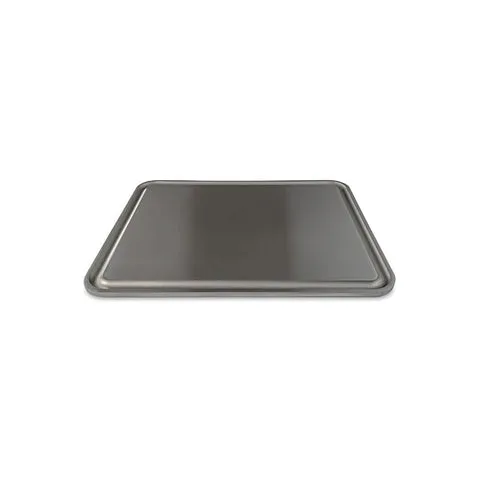
The Baking Steel Griddle
For pizza enthusiasts, a steel also works beautifully with other accessories like a peel or a dough cutter. Pair your steel with the The 16" Pizza Peel – Cherry Wood for effortless launching and retrieving. This combination streamlines your pizza workflow, making you feel like a pro.
- Steel: multi-purpose—pizza, bread, searing, and more.
- Baking tray: best for simple bakes, not high-heat searing.
Price and Durability
Baking steels are an investment, but they're built to last a lifetime. A quality steel like the Baking Steel Original is virtually indestructible—it won't warp, crack, or chip, even with heavy use. Baking trays, on the other hand, are inexpensive but often need replacement after a few years due to warping or rusting.
When you calculate cost per use, a baking steel often comes out ahead, especially if you bake pizza regularly. Plus, the superior results justify the initial price for anyone serious about homemade pizza.
If you're serious about making the best pizza at home, a baking steel is the clear winner over a baking tray. Its superior heat conduction and versatility deliver a crust that rivals your favorite pizzeria. Upgrade your pizza game today with the Baking Steel® Original — 1/4" Thick Pizza Steel and taste the difference.