Quick Answer
To set up a preschool music corner on a budget, choose a low-traffic area, gather inexpensive or DIY instruments, and organize them in clear bins. Start with simple percussion items and add a few quality wooden pieces like a Melissa & Doug toy to keep costs low while ensuring durability.
Creating a music corner for your preschooler doesn't have to cost a fortune. With a little creativity and smart shopping, you can build an engaging space that encourages musical exploration and development. Whether you're a parent or a homeschool teacher, a dedicated music area can foster creativity, motor skills, and cognitive growth.
In this guide, we'll walk you through the steps to set up a budget-friendly preschool music corner. We'll cover everything from choosing the right location to selecting instruments that offer the best value. You'll also learn how to incorporate DIY elements and affordable wooden toys that last.
Why a Music Corner Matters
Music plays a vital role in early childhood development. It enhances auditory skills, supports language development, and improves coordination. A dedicated music corner gives your child a consistent space to explore sounds, rhythms, and instruments, which can lead to longer engagement and deeper learning.
You don't need a large room or expensive equipment. A corner of a playroom or living room can work perfectly. The key is to make it inviting and accessible so your child feels drawn to create music on their own.
Choosing the Right Location
Pick a spot that is away from high-traffic areas to minimize distractions. A corner with a soft rug or carpet can help absorb sound and define the space. Ensure there's enough room for your child to sit or stand comfortably while playing.
Consider natural light and visibility. If the music corner is in a shared space, place it where you can supervise easily. Avoid areas near fragile items or sharp corners to keep the space safe for active play.
- Use a bookshelf or storage bench to create a physical boundary for the corner.
Selecting Budget-Friendly Instruments
Start with a few basic instruments that offer a variety of sounds. Percussion instruments like shakers, tambourines, and drums are inexpensive and easy for little hands to hold. You can also make your own instruments from household items like rice-filled bottles or cardboard tubes.
When buying instruments, look for durable materials that can withstand rough handling. Wooden toys are a great choice because they are sturdy and have a warm, natural sound. Melissa & Doug offers a range of wooden instruments that are built to last, making them a smart investment for budget-conscious parents.
Organizing and Displaying Instruments
Keep instruments within easy reach of your child. Use low shelves, baskets, or clear bins so they can see and choose what to play. Labeling bins with pictures can help even younger children find where things belong.
Rotate instruments every few weeks to keep the corner fresh and exciting. This prevents boredom and encourages your child to explore different sounds. Store less-used items in a closet or high shelf and swap them out periodically.
Incorporating DIY Elements
DIY instruments are not only budget-friendly but also add a personal touch. Create a rain stick from a paper towel roll and rice, or make a simple drum from an empty oatmeal container. These projects can be fun activities to do with your child, turning the music corner into a collaborative space.
You can also add a felt board or a simple music-themed poster to inspire creativity. Use fabric scraps to create a quiet area for listening to music or reading songbooks.
Adding Educational Elements
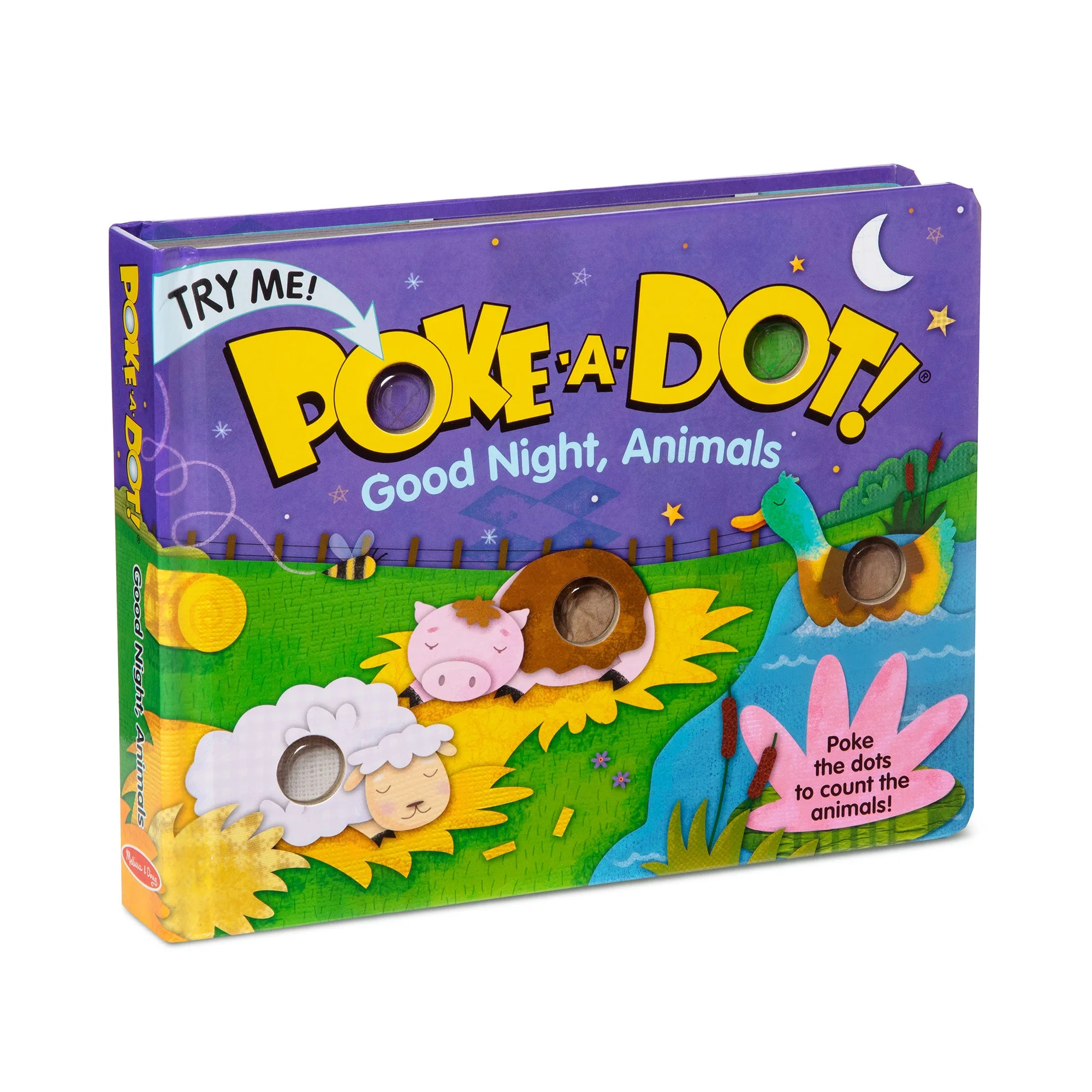
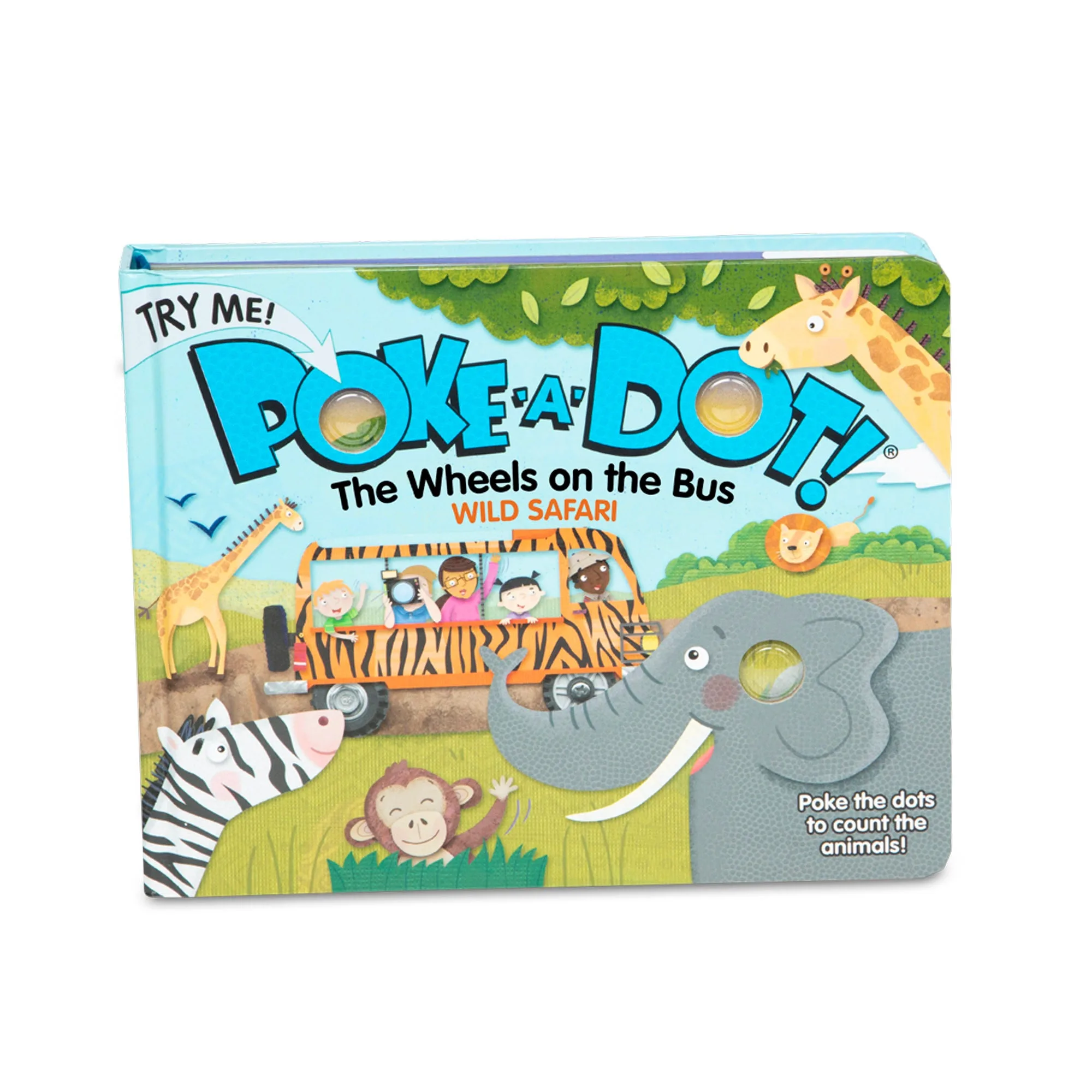
A music corner can also be a learning hub. Include songbooks with simple lyrics, flashcards with musical notes, or a small whiteboard to draw notes. You can even incorporate counting and alphabet songs to reinforce early literacy and math skills.
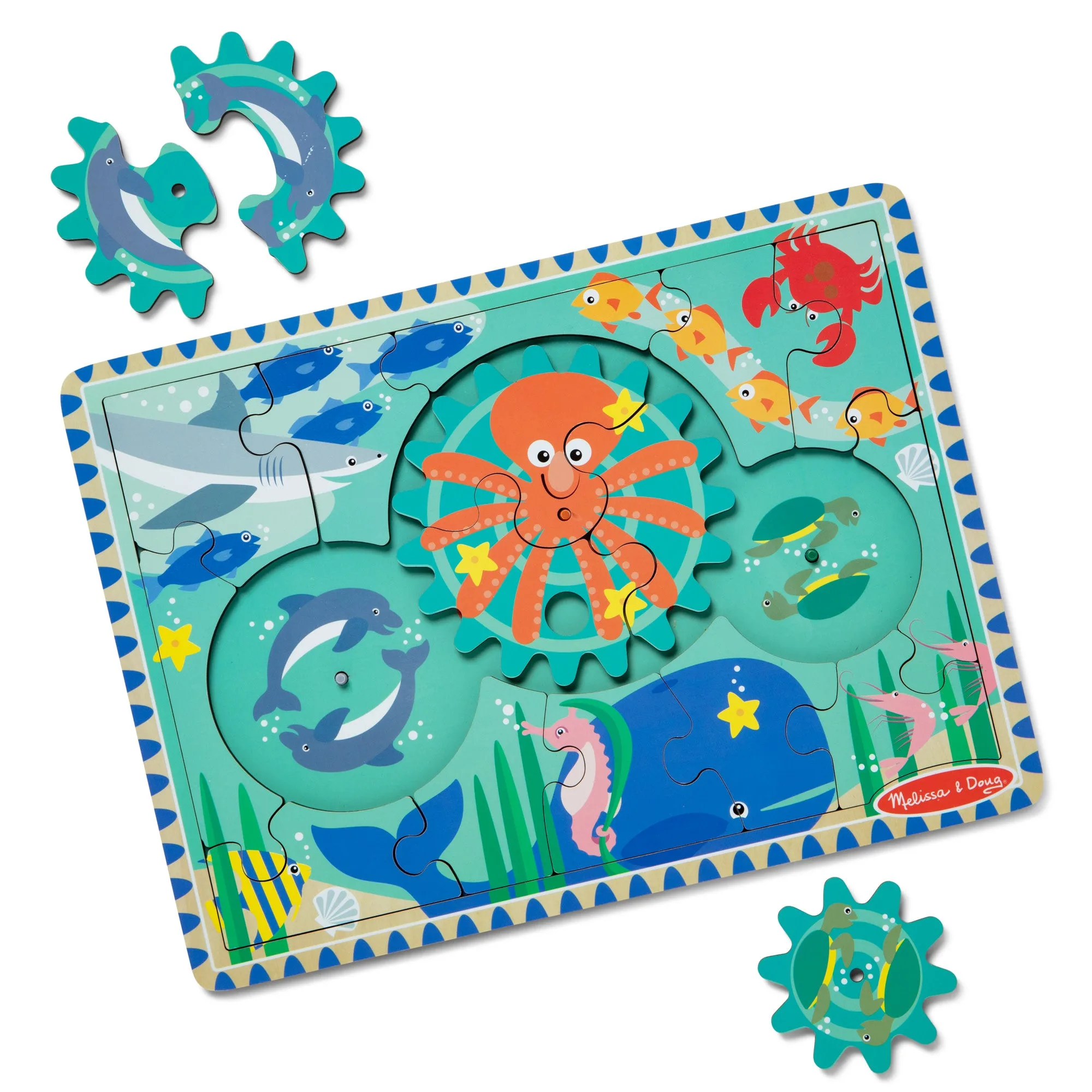
To tie in other learning areas, consider adding puzzles or toys that feature musical themes. For example, a chunky puzzle with musical instruments can help your child recognize different instruments while developing fine motor skills.
Step-by-Step Setup Guide
- Step 1: Choose the Space: Select a low-traffic corner with a soft floor covering. Measure the area to ensure you have enough room for a small rug, storage, and movement. Checkpoint: Ensure the space is away from distractions and has good lighting.
- Step 2: Gather Storage Solutions: Use low shelves, baskets, or clear bins to store instruments. Label each bin with a picture or word to help your child identify and return items. Checkpoint: Make sure all storage is low enough for your child to reach independently.
- Step 3: Collect Instruments: Start with 5-7 instruments that offer different sounds: shakers, drums, bells, and a xylophone. Include DIY instruments for a personal touch. Checkpoint: Avoid too many items at once; rotate to maintain interest.
- Step 4: Add Visual Appeal: Decorate with colorful posters, a felt board, or homemade art. Use a theme like 'Music Around the World' or 'Animal Sounds' to spark creativity. Checkpoint: Keep decorations at eye level to engage your child.
- Step 5: Incorporate Learning Tools: Add songbooks, flashcards, or a small whiteboard. Include puzzles and toys that reinforce musical concepts, like the Melissa & Doug puzzle options. Checkpoint: Choose items that align with your child's current interests and skills.
- Step 6: Establish Ground Rules: Set simple rules like 'instruments stay in the corner' and 'gentle hands only.' Demonstrate how to handle each instrument properly. Checkpoint: Model the behavior and praise your child when they follow the rules.
- Step 7: Schedule Playtime: Incorporate music time into your daily routine, even if it's just 10 minutes. Consistency helps your child look forward to the corner. Checkpoint: Observe your child's engagement and adjust the setup as needed.
Quality Picks for Your Music Corner
- Deluxe Wooden Tool Belt Set: Give little builders all the tools they need to for truly constructive play! Five child-safe wooden tools--hammer, screwdriver, wrench, ruler, and painted saw--fit snuggly in the adjustable tool belt and a child's hand. While not a musical instrument, this set can inspire rhythm-making by using the tools as pretend instruments or for building a DIY instrument stand. It encourages imaginative play that complements the music corner.
- Farm Animals Jigsaw Puzzles in a Box: Set includes four wooden, 12-piece farm animal jigsaw puzzles-a hen and her chick, cow, a pig, and a horse-- each stored in a separate compartment of a sturdy wooden box! Puzzles can be a quiet activity in the music corner, helping children develop focus and problem-solving skills between music sessions. The wooden pieces are durable and safe for young children.
- First Play Wooden Ring and Ding Forest Friends Push Toy: Keep playtime rolling with this sturdy wooden push toy! Friendly bears adorn the front, while bees bounce and ring colorful bells as the toy is pushed. This push toy adds a musical element with its ringing bells, encouraging movement and sound exploration. It's perfect for toddlers who are just starting to understand cause and effect.
- Finger paint Paper Pad: Finger painting is so much fun on this generous (12 inch x 18 inch) pad. Premium heavy-weight glossy white paper is coated on both sides to be totally non-absorbent. Use this pad to create your own song charts or music-themed artwork to decorate the music corner. It's a budget-friendly way to add visual interest and personalize the space.
Setting up a preschool music corner on a budget is achievable with careful planning and resourcefulness. By choosing a dedicated space, selecting durable instruments, and incorporating DIY elements, you can create an enriching environment that supports your child's development. Remember to rotate items and keep the corner inviting, and most importantly, have fun making music together!