Cross-contamination is a leading cause of foodborne illness in commercial kitchens. It occurs when harmful bacteria or allergens transfer from one food item to another, often through improper storage, handling, or equipment. For food service operators, preventing cross-contamination is not just a best practice—it's a legal and ethical obligation to protect customers and maintain a stellar reputation.
One of the most effective ways to prevent cross-contamination is through proper food storage. By implementing smart storage solutions and following strict protocols, you can significantly reduce the risk of contamination. In this guide, we'll explore actionable strategies and highlight Cambro products designed to keep your kitchen safe and organized.
Understanding Cross-Contamination in Food Storage
Cross-contamination can happen in several ways: direct contact between raw and ready-to-eat foods, through shared surfaces or utensils, or even via airborne pathogens. In storage, the most common risks include storing raw meat above ready-to-eat items, using the same containers for different food types without proper cleaning, and failing to seal containers tightly.
To mitigate these risks, it's essential to establish clear storage hierarchies. For example, always store raw meats on lower shelves to prevent juices from dripping onto other foods. Additionally, using color-coded or clearly labeled containers can help staff quickly identify contents and avoid mix-ups.
- Store raw meats on bottom shelves, ready-to-eat foods on top.
- Use separate containers for raw and cooked foods.
- Label all containers with contents and dates to track freshness.
Key Storage Practices to Prevent Contamination
Effective storage goes beyond just placing items in a fridge. It involves choosing the right containers, maintaining proper temperatures, and ensuring airtight seals. Airtight containers prevent bacteria from entering and also stop odors from transferring between foods. For instance, using Camwear® food storage containers with secure lids can help maintain food integrity and prevent cross-contamination.
Another critical practice is proper rotation. Implementing a first-in, first-out (FIFO) system ensures that older stock is used first, reducing the risk of spoilage and contamination. Clearly labeling containers with dates and using transparent containers can make rotation easier and more efficient.
- Use airtight containers to keep out bacteria and odors.
- Implement FIFO rotation to minimize waste and contamination risk.
- Regularly clean and sanitize storage areas and containers.
Choosing the Right Containers and Lids
Selecting the appropriate food storage containers is crucial. Look for containers that are durable, easy to clean, and designed for commercial use. Cambro offers a range of options, including Camsquares® FreshPro Food Storage Containers – Camwear®, which are made from crystal-clear, shatter-resistant Camwear® material. These containers are available in various sizes and come with tight-fitting lids to create a reliable seal.
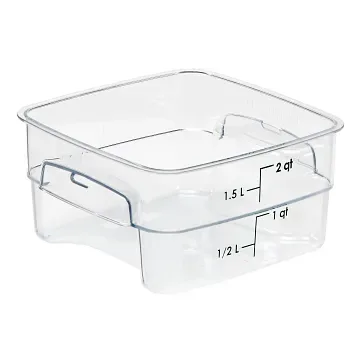
Camsquares® FreshPro Food Storage Containers – Camwear®
For added convenience, consider accessories like Clear Flip Lids for Camwear® Food Pans. These lids allow quick access while keeping contents covered, reducing the risk of contamination during service. Additionally, using Translucent Seal Covers can provide an extra layer of protection for pans and trays.
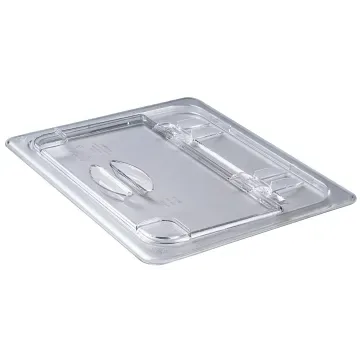
Clear Flip Lids for Camwear® Food Pans
- Opt for containers with secure, tight-fitting lids.
- Use clear containers to easily identify contents without opening.
- Consider flip lids for quick access while maintaining coverage.
Organizing Your Storage Areas with Shelving
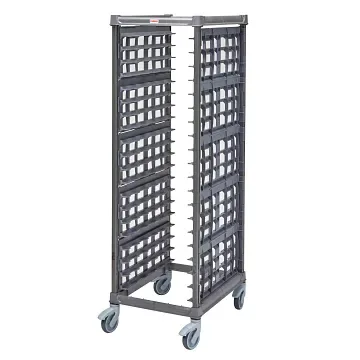
Proper shelving is essential for preventing cross-contamination. Shelving units should be easy to clean and designed to promote airflow. Cambro's Camshelving® Ultimate Sheet Pan Rack is perfect for storing sheet pans and trays, keeping them off the floor and organized. For maximum flexibility, Camshelving® Starter Units - Mobile with Vented Shelves allow you to move storage as needed while ensuring proper ventilation.
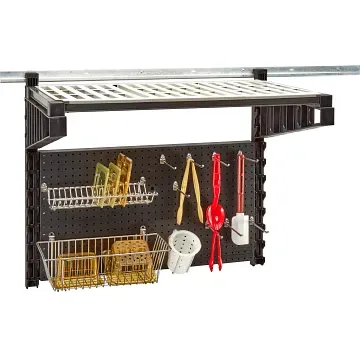
Wall Shelving Station Kits can help maximize vertical space and keep frequently used items within reach. By organizing your storage areas with these solutions, you can reduce clutter and minimize the risk of accidental contamination.
- Use mobile shelving for flexibility and easy cleaning.
- Install wall-mounted shelving to save floor space.
- Ensure shelves are made of non-porous, easy-to-clean materials.
Implementing a Food Safety Culture in Your Kitchen
Preventing cross-contamination requires more than just the right equipment; it demands a culture of food safety. Train your staff on proper storage procedures, including how to handle raw and cooked foods separately. Regularly audit your storage practices to identify potential risks and correct them promptly.
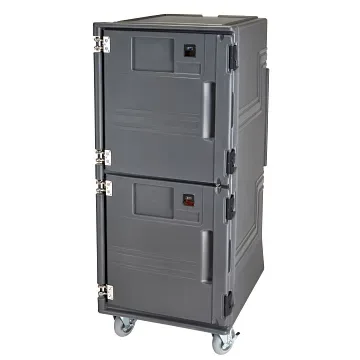
Using color-coded cutting boards and containers can help reinforce safe practices. Additionally, investing in high-quality storage solutions like the Pro Cart Ultra® - Electric, Tall Universal can streamline food transport and storage, reducing the chance of cross-contamination during movement.
- Provide ongoing training on food safety and cross-contamination prevention.
- Use color-coded tools and containers to differentiate food types.
- Conduct regular audits and adjust procedures as needed.
Preventing cross-contamination is a critical component of food safety in any commercial kitchen. By implementing proper storage practices and using reliable equipment like Cambro's food storage containers and shelving, you can protect your customers and your business. Explore Cambro's range of food storage solutions to find the perfect fit for your kitchen.